17 Borax Free Slime Recipes Kids Can’t Get Enough Of
Introduction
Did you know 7 out of 10 classrooms now prefer borax-free play? This guide shows exactly how to make slime without borax using everyday items like Elmer’s glue, baking soda, contact solution, and a mixing bowl.
You will get 17 tested, kid-safe recipes that cover textures from fluffy slime without borax to glossy and crunchy, plus fixes for sticky or runny batches. Every recipe lists exact measurements, like 1 cup of glue or 1 teaspoon of baking soda, and the best substitutes when you don’t have contact solution or shaving cream.
Expect clear safety notes for ages, storage tips, and add-ins like glitter, foam beads, and food coloring so teachers and parents can plan sensory play. This is a single, practical resource for borax free slime recipes with real troubleshooting and easy materials sourcing for under $5 per batch in most cases.
Make Slime Without Borax
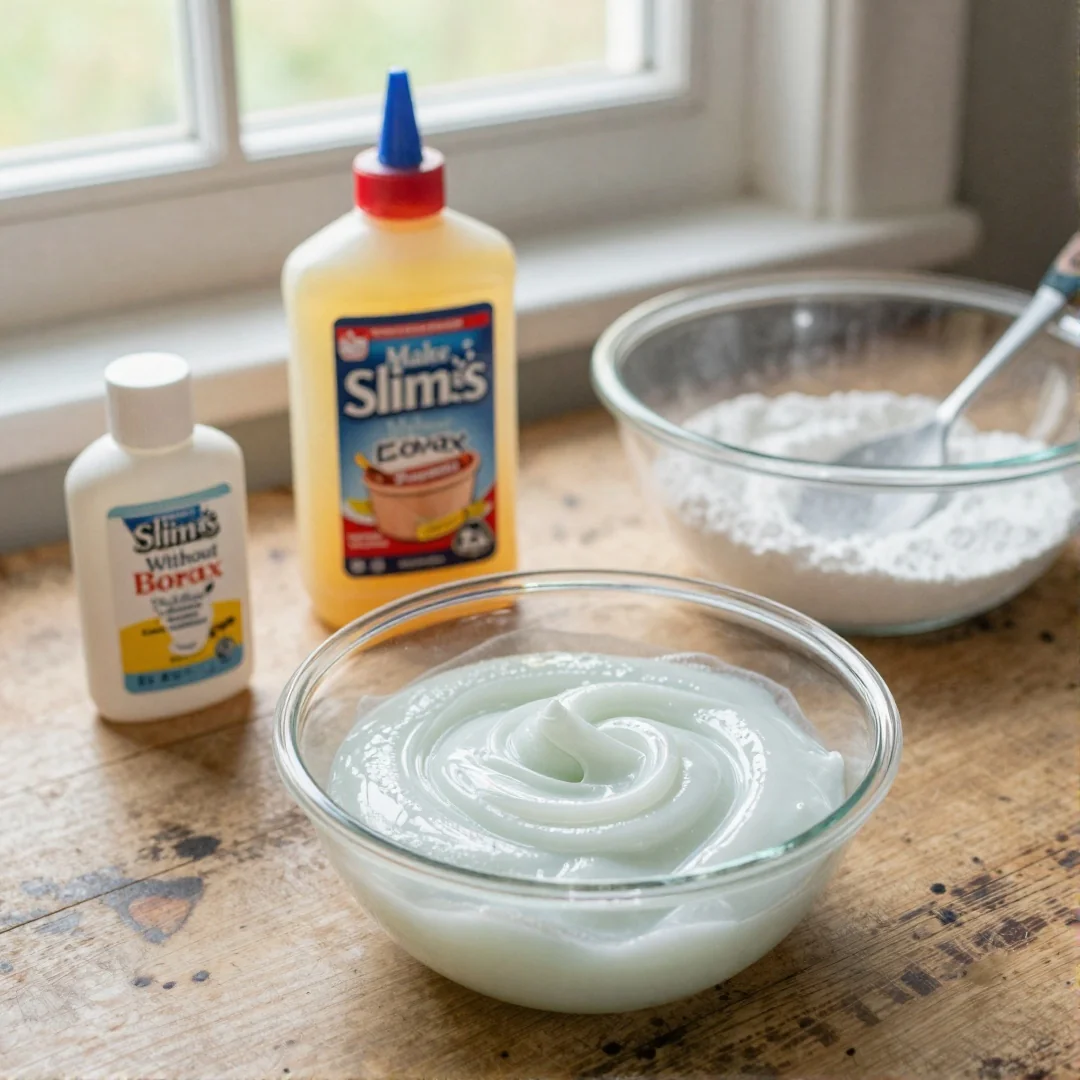
You grab Elmer’s glue, some food coloring and a curious kid ready to help , perfect start for a safe craft afternoon.
- 1 cup PVA glue (Elmer’s or Crafters glue)
- 1/2 tsp baking soda
- 1 tbsp contact solution or saline (must list boric acid on label)
- Optional: 1 cup shaving cream for fluffy slime, glitter, or foam beads
- Tools: mixing bowl, spoon, measuring cups
Mix glue and baking soda, add color, then stir in contact solution slowly until the mix pulls from the bowl. This shows you how to make slime without borax and keeps it borax free.
If slime is too sticky, knead in a few drops more contact solution or 1 tsp cornstarch until it firms. If too runny, add 1 tsp baking soda and knead for 30 seconds. For overly rubbery slime, add 1 tbsp lotion to soften.
Store in an airtight container for up to 2 weeks and wash hands after play for safe slime for kids no borax.
Borax Free Slime Recipes
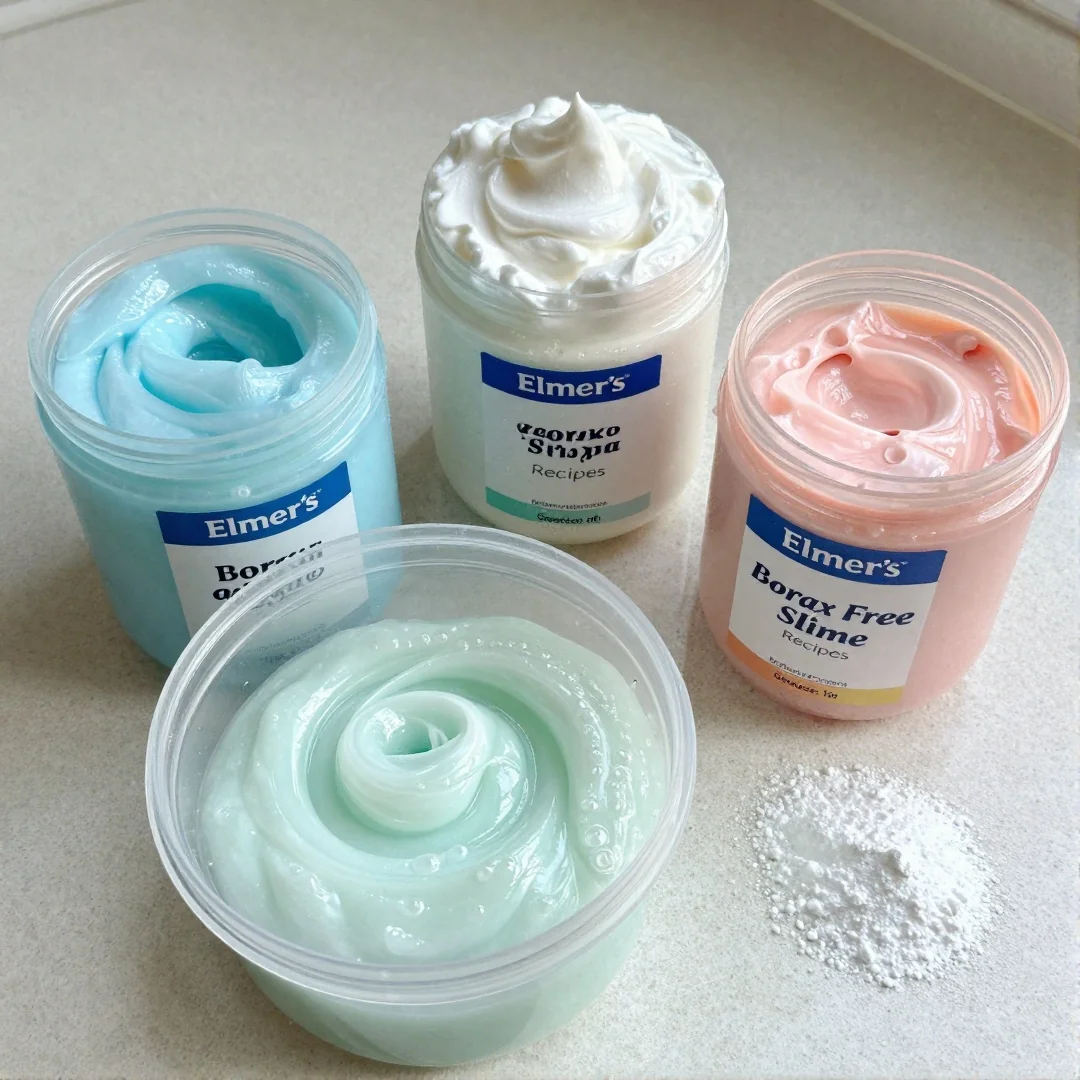
Ready to learn simple recipes that skip borax and still make great slime?
Source: armandhammer.com
Here’s a starter roundup showing what texture each method produces and where to buy ingredients.
- Fluffy slime: 1 cup Elmer’s glue, 1 cup shaving cream, 1 tsp saline, a pinch of baking soda. Makes soft, airy play. Buy shaving cream and glue at Walmart for about $3 each.
- Glossy slime: 1 cup clear PVA glue, 1 tbsp contact solution, 1 tsp baking soda, a few drops of food coloring. Smooth and glossy, best with clear glue.
- Butter slime: 1 cup white glue, 2 tbsp lightweight clay, 1 tsp saline. Stretchy, spreadable, great for hands-on sensory play.
- Crunchy slime: Basic glue recipe plus 1/2 cup foam beads or glitter for texture.
For tools, use a mixing bowl, spoon and measuring cups. If you need contact-free options try cornstarch or dish soap as activators. Search “how to make slime without borax” for full step-by-step safe instructions.
Basic Glue Slime
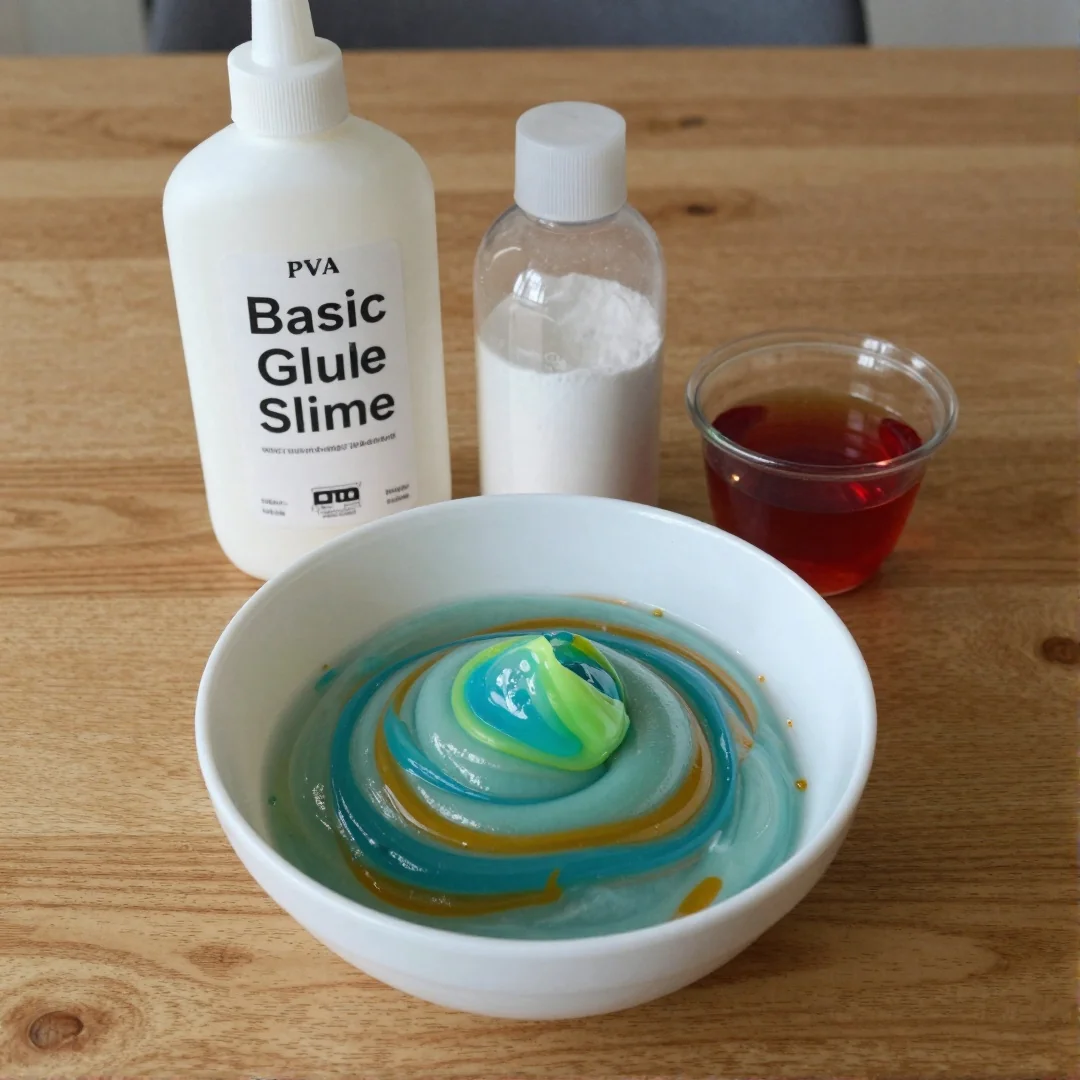
Many think you need borax to get slime that stretches. In reality a simple saline mix gives a chewy result that kids love.
Source: reddit.com
- 1 cup white PVA glue (Elmer’s or Crafters glue), 1 tsp baking soda, 1 tbsp saline or contact solution, and a few drops of food coloring.
- Pour glue into a mixing bowl, stir in baking soda and color, then add saline slowly while stirring until the mix clumps.
- Knead by hand about 5 to 10 minutes until smooth and no longer sticky; add a few drops more saline if it stays tacky.
- Best for supervised kids ages 5 and up, since saline and glue are not edible. This recipe answers how to make slime without borax and still stay safe for kids.
- Store in an airtight box or container; it should last about 2 weeks if kept clean and dry.
Contact Solution Slime
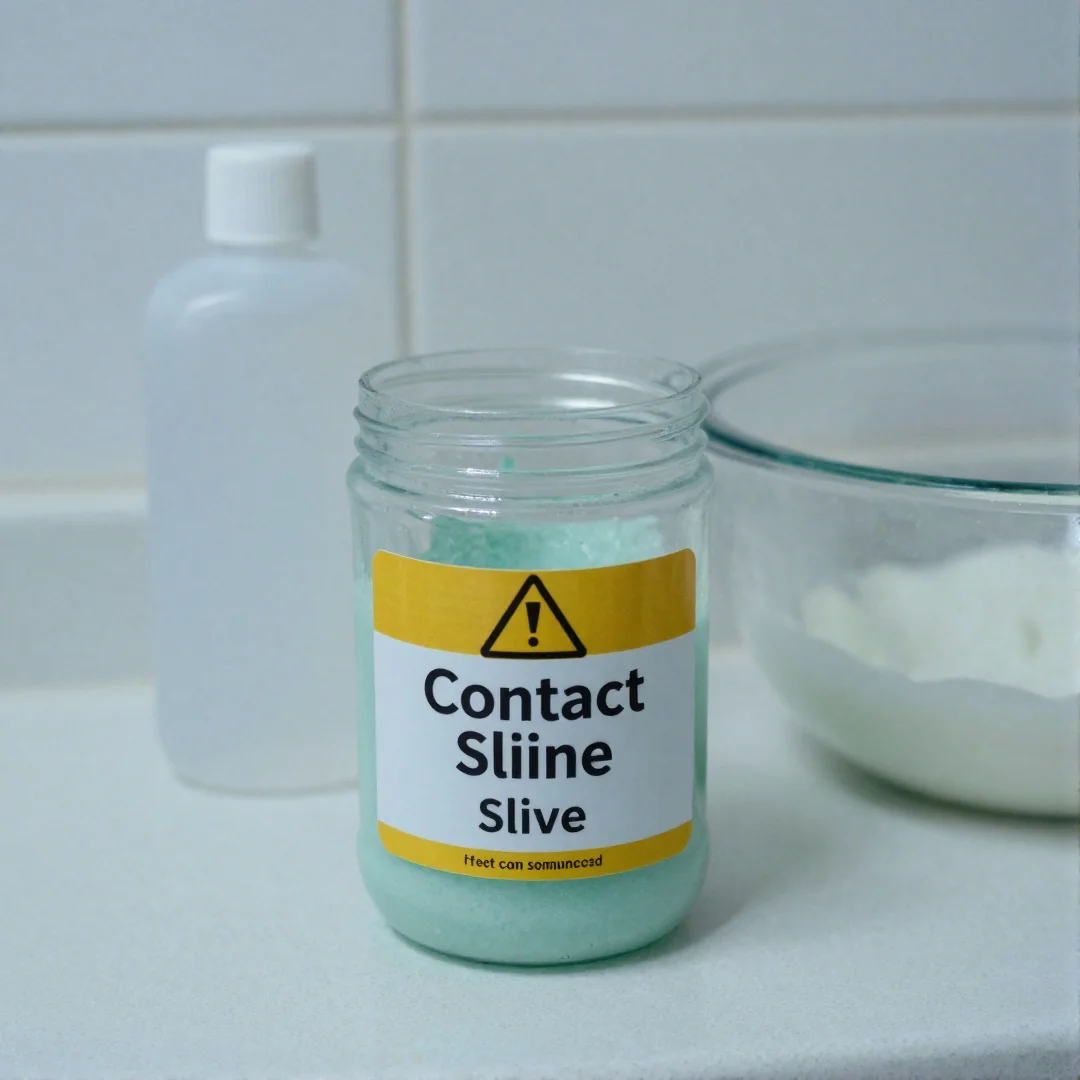
I learned quick that not all contact solutions act the same for slime and some can irritate skin.
Use a plain saline or contact solution that does not list boric acid, sodium borate, or the word borate on the label. Avoid Clear Care (hydrogen peroxide) and anything that says “cleaning” with peroxide. Look for 0.9% sterile saline or drugstore brands marked “saline” only.
Start with 1/2 teaspoon of saline per 100 ml of Elmer’s glue. Stir in slowly until the glue pulls away from the bowl and becomes slime.
- Add tiny extra drops to fix sticky slime, no more than 1 drop at a time.
- If it gets too stiff, knead in 1 teaspoon of warm water or a dab of dish soap to soften.
- For fluffy slime without borax, mix 100 ml glue with 1 cup shaving cream, then use saline as above.
Shaving Cream Fluffy
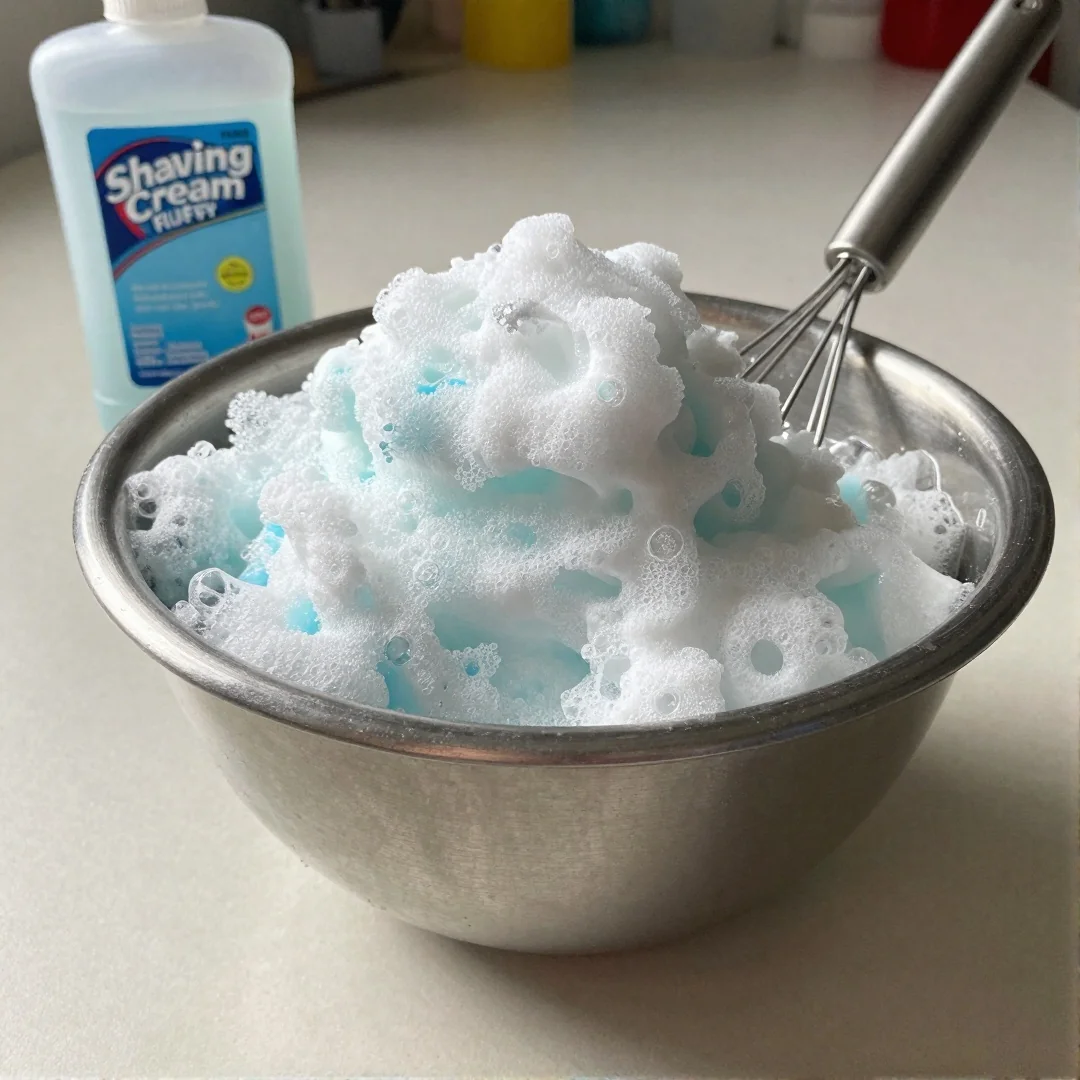
Quick tip: use a metal mixing bowl and hand whisk for extra air in the foam before you add glue.
Recipe: 1 cup Elmer’s glue, 1 cup shaving cream, 1/2 tsp baking soda, 1 tbsp saline (or contact solution that lists boric acid carefully), plus a bowl and spoon.
Mix glue and baking soda, fold in shaving cream until airy, then add saline 1 tsp at a time until slime pulls away from the bowl.
To boost fluff add 1/4 cup more shaving cream or whip the mixture with a hand mixer for 20 seconds. For color, stir in 5 drops food coloring and glitter or foam beads.
- Tip: use saline labeled for sensitive eyes to avoid irritants.
- Downside: fluffy slime without borax dries out faster and might last only 3 to 5 days even stored in an airtight bag.
If slime gets sticky, knead in a few grains of cornstarch or a drop more saline until it reaches the right feel.
Three Ingredient Slime
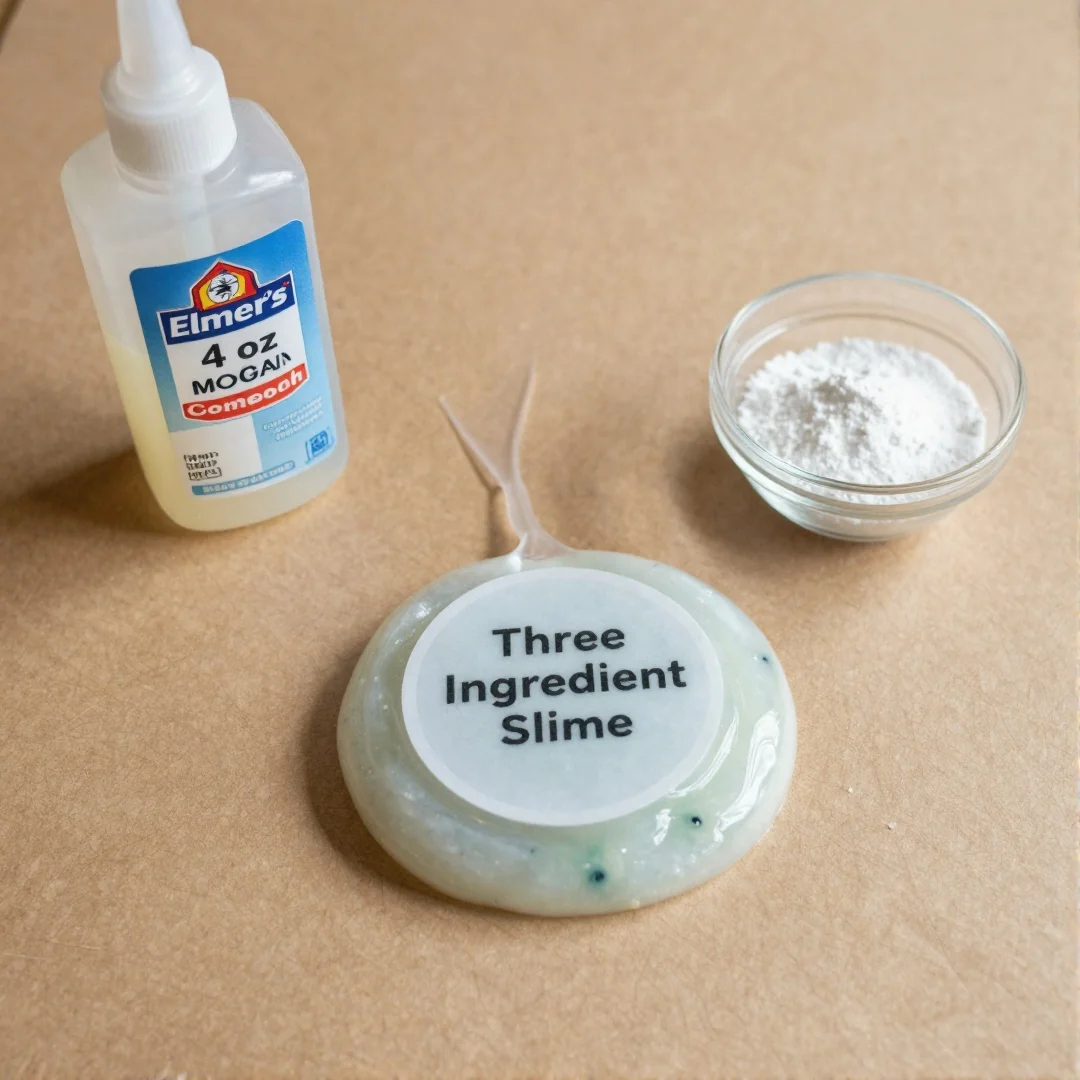
With summer crafts in full swing this recipe is a quick, kid-safe hit. Use 4 oz Elmer’s glue, 1/2 teaspoon baking soda, and 1 tablespoon contact solution for a classic 3 ingredient slime no borax.
Mix glue and baking soda in a mixing bowl, then stir in contact solution until the slime pulls away from the sides. This shows you how to make slime without borax while keeping ingredients simple and cheap.
- Why it works: contact solution contains boric acid or saline that crosslinks PVA in glue, and baking soda helps set the reaction so the slime forms.
- Fix sticky slime: add 1/4 teaspoon contact solution, then knead. If still tacky, add another 1/2 teaspoon baking soda and knead for 2 minutes.
- Too stiff: add 1 teaspoon water or a drop of baby oil and knead to soften.
I’ve noticed kneading for 3 minutes often improves texture. Store in an airtight container for up to 2 weeks.
Two Ingredient Slime
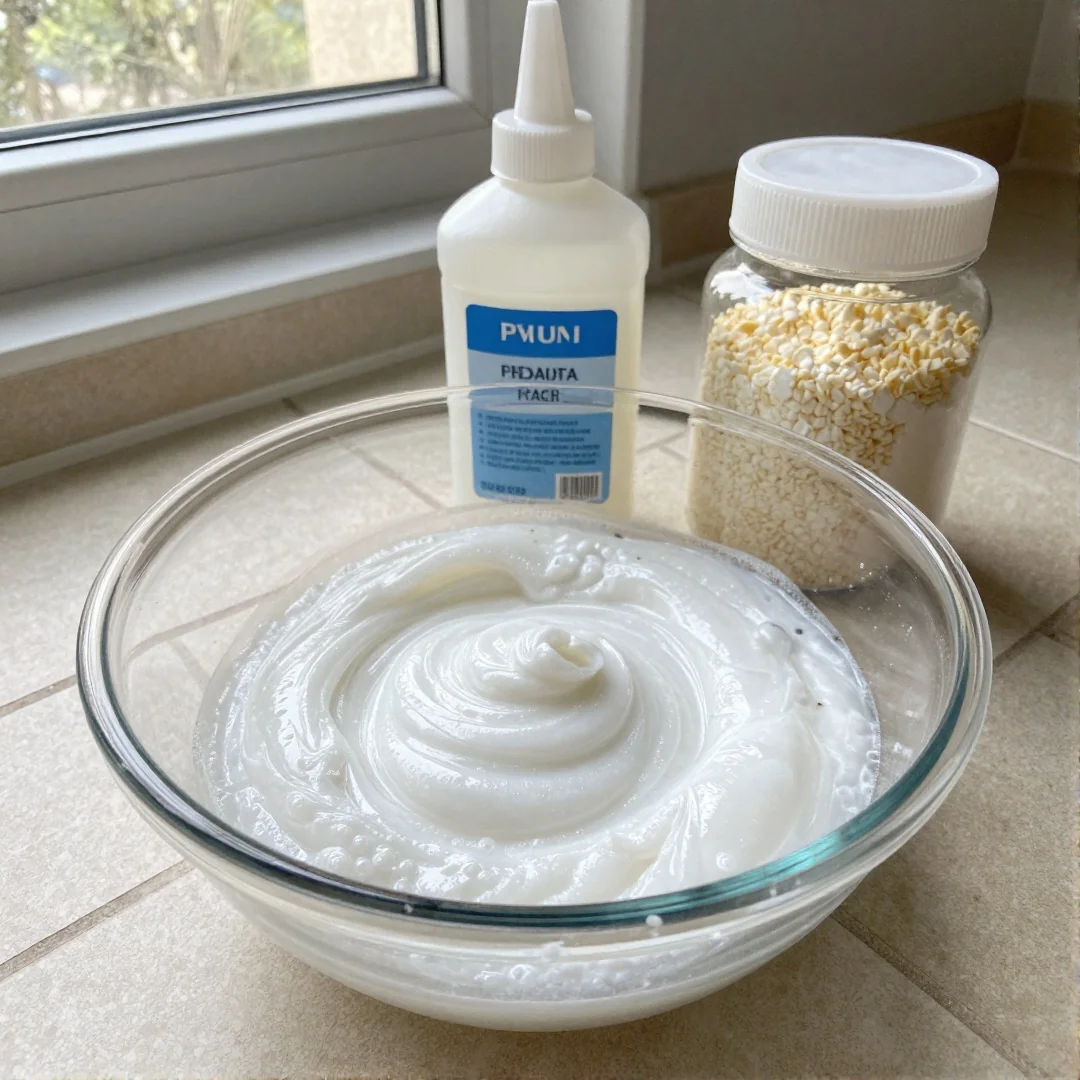
Liquid starch usually costs about $3 a bottle while cornstarch is around $1, so price can sway your choice. Two ingredient slime is quick: mix glue and liquid starch or glue and cornstarch for a borax-free result.
- Glue + liquid starch: 1 cup Elmer’s glue with 1/2 cup liquid starch. Stir in a bowl for 1 minute until it pulls away, then knead. Add glitter or food coloring if you like.
- Glue + cornstarch: 1/2 cup Elmer’s glue with 1/2 cup cornstarch. Mix, then add up to 2 tablespoons water if too dry; knead until smooth.
Texture differs a lot. Liquid starch makes a stretchy, glossy slime that feels like classic slime. Cornstarch yields a thicker, slightly grainy, doughy texture closer to putty.
Safety note: liquid starch contains sodium borate compounds similar to boric acid, so supervise kids and avoid if you want strictly non-boric recipes. For truly safe alternatives, use cornstarch or a saline/contact solution method that labels no boric acid.
Cornstarch Slime
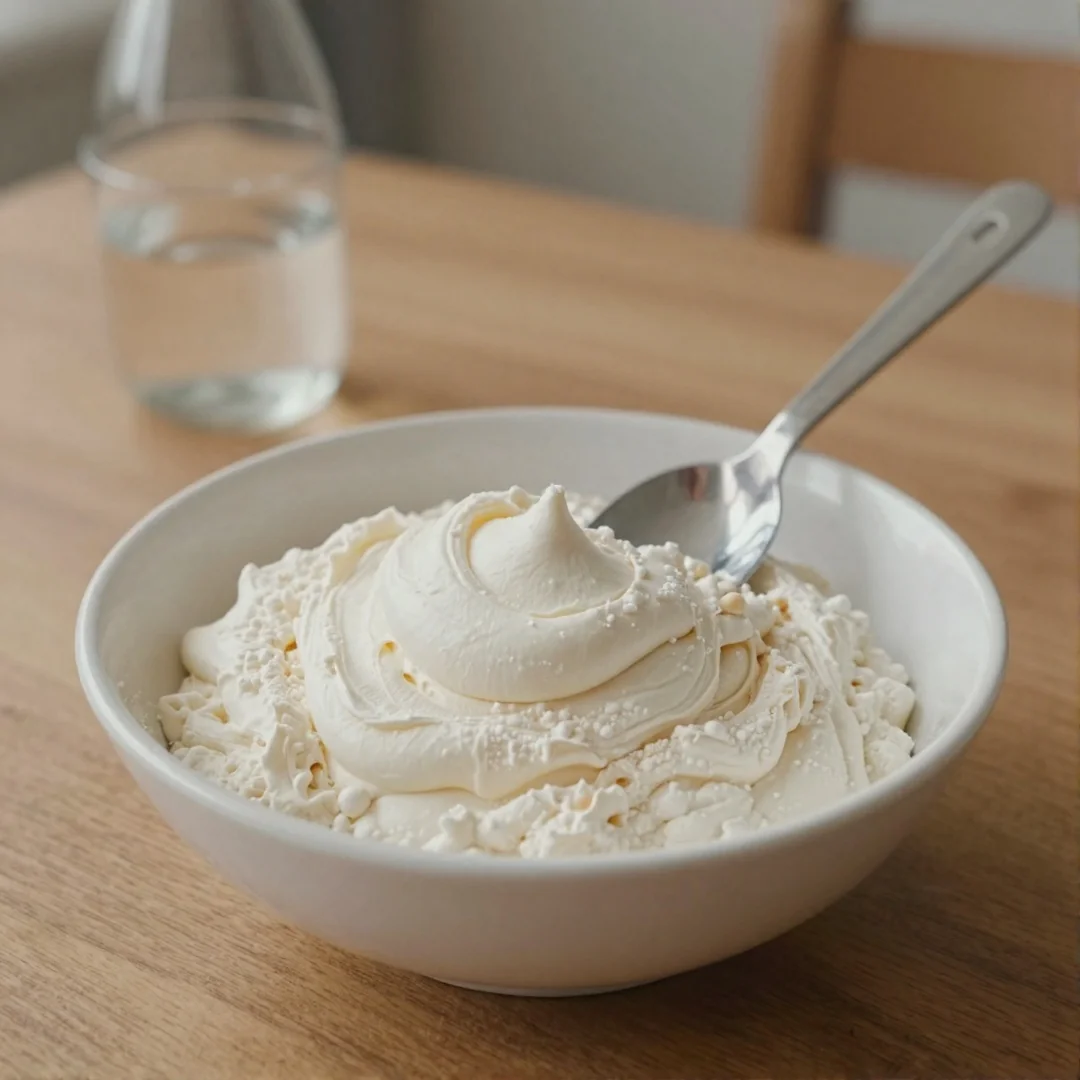
Surprising fact: this recipe uses exactly 1 cup cornstarch and 1/2 cup water, so you can make a batch in under 5 minutes.
Mix the cornstarch and water in a mixing bowl with a spoon until it feels like soft dough; add a drop of food coloring if you want. This is a classic borax free slime recipe that’s great for sensory play and shows a simple way to learn how to make slime without borax.
To get a smooth, non-sticky feel keep kneading for 1 to 2 minutes; the warmth from your hands helps the cornstarch bind and stop sticking.
If it stays tacky, add cornstarch by the tablespoon until it firms but stays pliable. If it cracks, add up to 1 teaspoon extra water and knead.
Add-ins like glitter, foam beads, or a few drops of scented oil work well. Use measuring cups and a clean spoon, and store the slime in an airtight container for up to 3 days for best texture.
Dish Soap Slime
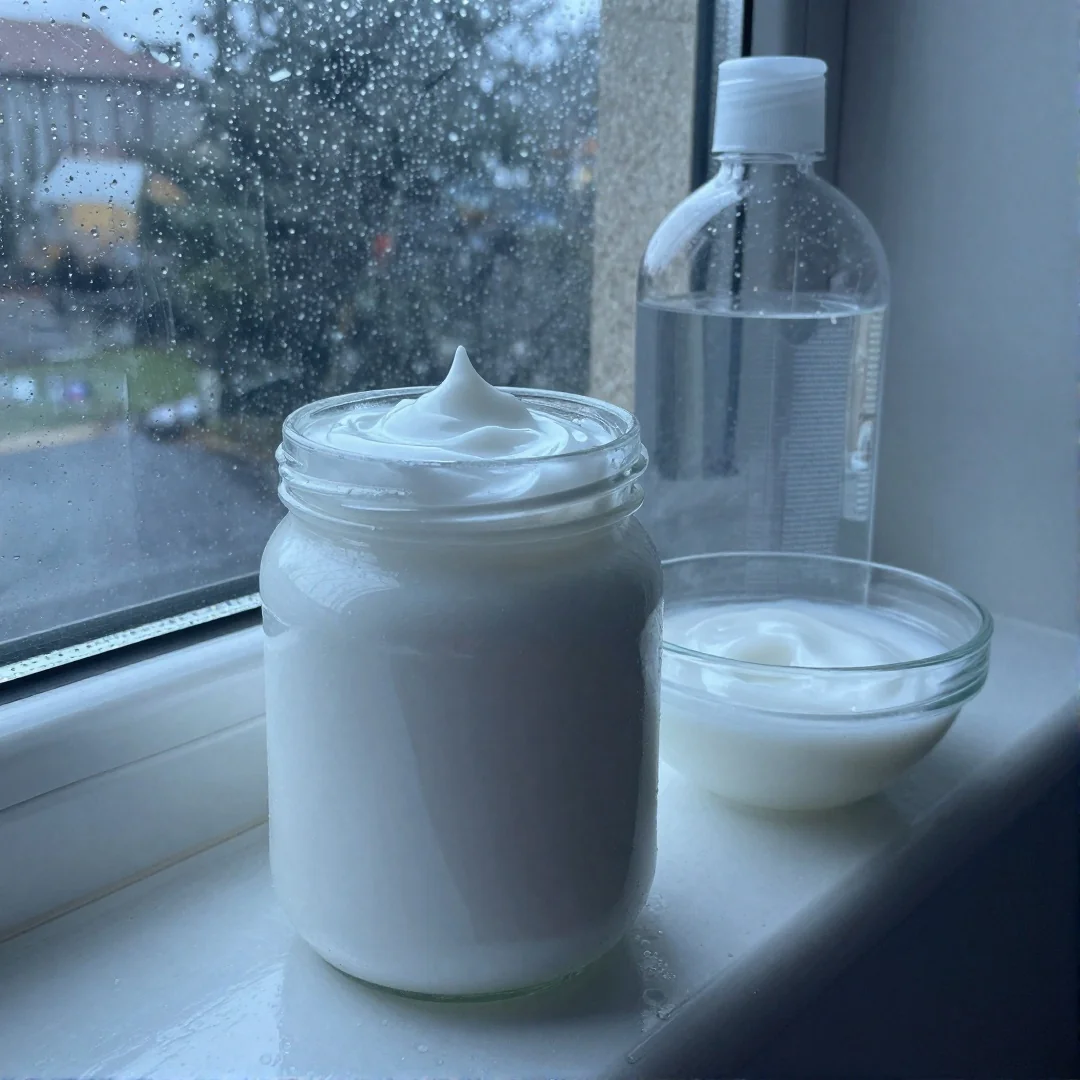
Picture a rainy afternoon and you only have dish soap, glue, and a bowl; this is the easiest place to start for parents new to borax free slime recipes.
Use 1 cup of white PVA glue like Elmer’s glue mixed with 2 to 3 tablespoons of clear dish soap (Dawn or Seventh Generation work well) for a glossy, slightly stretchy slime. Add a teaspoon of baking soda if it stays too sticky.
Expect a shiny, glassy texture that feels slick and slightly tacky, more like a glossy putty than fluffy slime.
Results vary because dish soap brands have different surfactants and water content, and glue viscosity changes by brand and age.
- If runny: add 1 teaspoon cornstarch or 1 tablespoon more glue, stir 30 seconds, rest 5 minutes.
- If crumbly: knead in a few drops of saline or contact solution until smooth.
- If too sticky: sprinkle 1 teaspoon baking soda, knead, then add a little lotion for stretch.
This simple mix shows one safe way to learn how to make slime without borax for kids aged 5 and up with supervision.
Baking Soda Slime
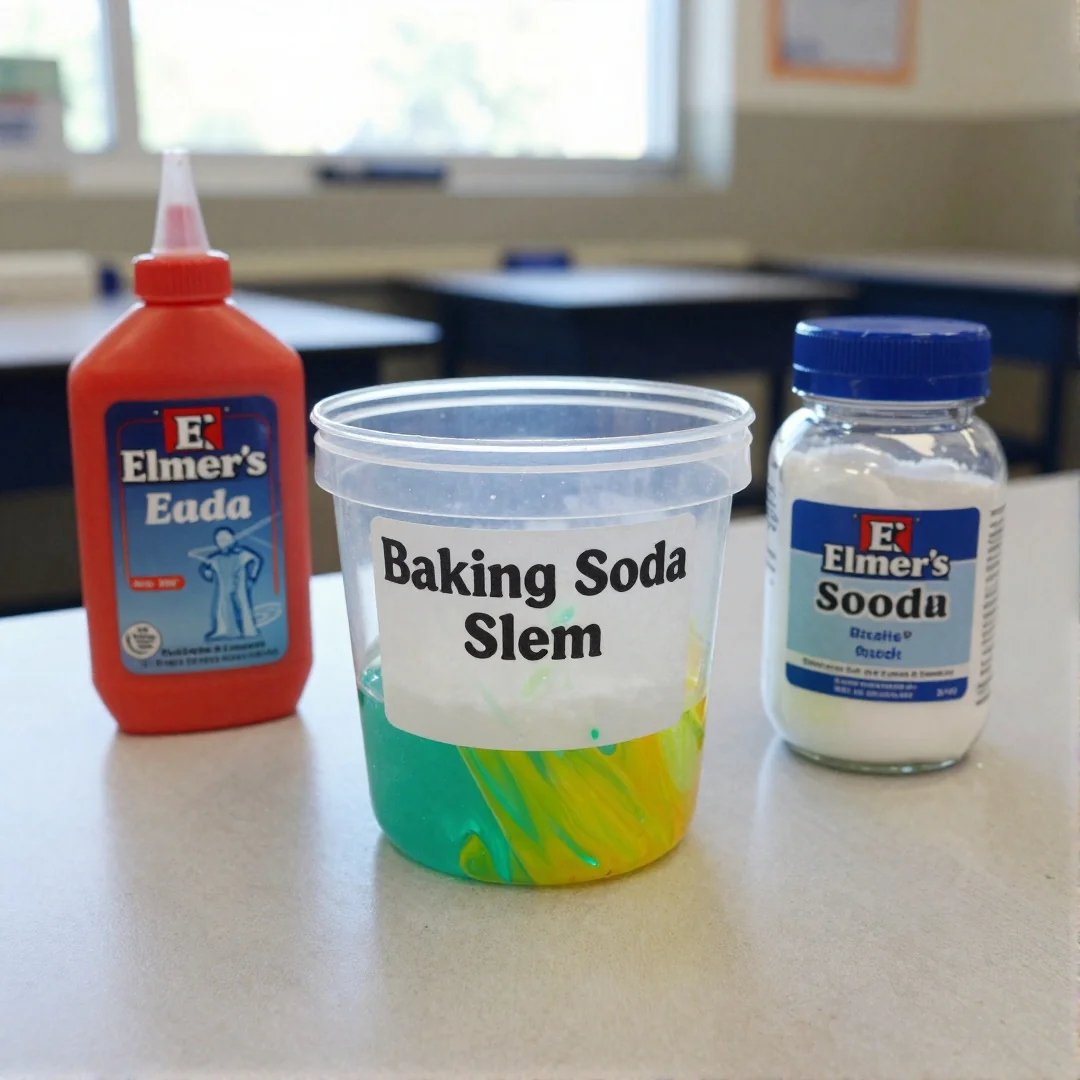
Want a quick fix for sticky borax-free slime? Start with 1 cup Elmer’s glue and 1/2 teaspoon baking soda for a reliable base.
How to make slime without borax is simple. In a mixing bowl stir 1 cup glue, 1/2 tsp baking soda, and a few drops of food coloring with a spoon.
Next add contact solution or saline that contains sodium borate alternative, 1/2 tablespoon at a time, stirring until the slime pulls away from the bowl. Stop at about 1 tablespoon total; you may need less.
Baking soda firms the polymer network and raises pH so the glue molecules link tighter. That change makes the slime less sticky and more elastic, so it stretches without falling apart.
If slime is still tacky, knead in a pinch more baking soda or 1/4 tsp dish soap. For fluffy slime without borax add 1 cup shaving cream before the activator for a lighter texture.
No-Heat Slime
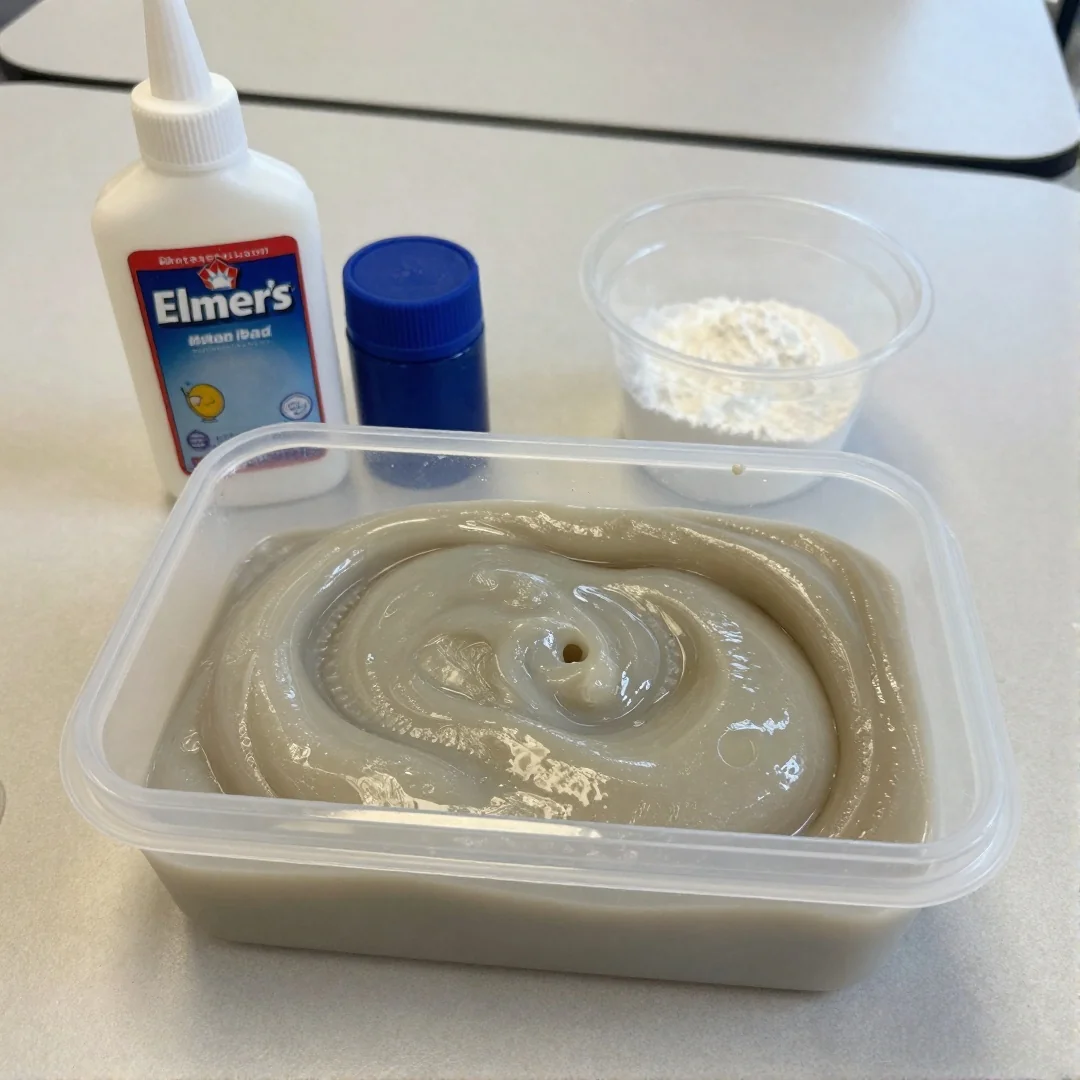
Myth: you need heat to get slime that holds together. Reality: plenty of great textures come from room-temperature mixes that are perfect for classrooms and kids aged 5 and up.
Start with a simple recipe using Elmer’s glue. Mix 1 cup PVA glue, 1/2 tsp baking soda, food coloring, and add saline or contact solution slowly until it pulls away from the bowl. That makes a stretchy, glossy slime with no heat.
No-heat recipes also include a 3 ingredient slime no borax option: 1/2 cup glue, 1/4 cup dish soap, and glitter or foam beads for texture.
- Timing: mix 3 to 5 minutes, knead 2 minutes for better texture.
- Sanitation: use a clean mixing bowl and spoon, wash hands before play, and discard slime after 2 weeks or if dirty.
- Classroom tip: make in batches of 10 oz per child and store in airtight tubs to cut down on mess.
Edible Marshmallow Slime
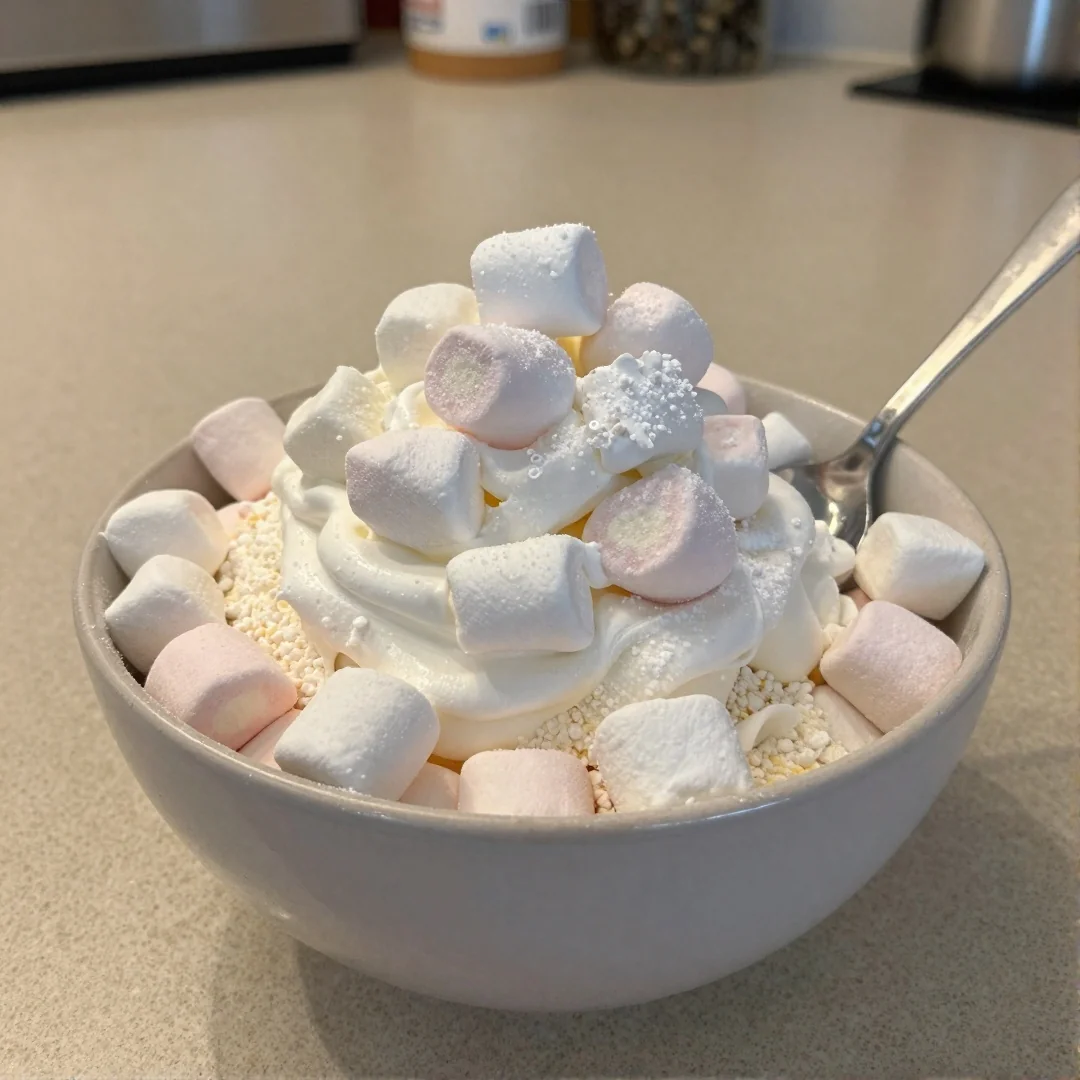
I tried this with my niece and she could not stop squishing it for 20 minutes. This Edible marshmallow slime is soft, non-toxic and a great sensory play option when you need a borax-free recipe.
- 1 cup mini marshmallows
- 1/2 cup cornstarch
- 1/4 cup powdered sugar
- 1 tablespoon water (add more by 1 tsp if needed)
- Optional: 1/4 teaspoon food coloring, a mixing bowl, spoon
Mix marshmallows and water in a microwave-safe bowl for 20 seconds, stir, then knead in cornstarch and powdered sugar until you get slime. This shows an easy way to make slime without borax while keeping ingredients edible.
Allergy warning: contains gelatin and corn. Do not use if your child has a gelatin, corn, or severe food allergy.
Do not eat if there is added nonfood glitter, foam beads, or if it has been handled by multiple children or pets. For ages 3 and up only and supervise closely.
Butter Slime
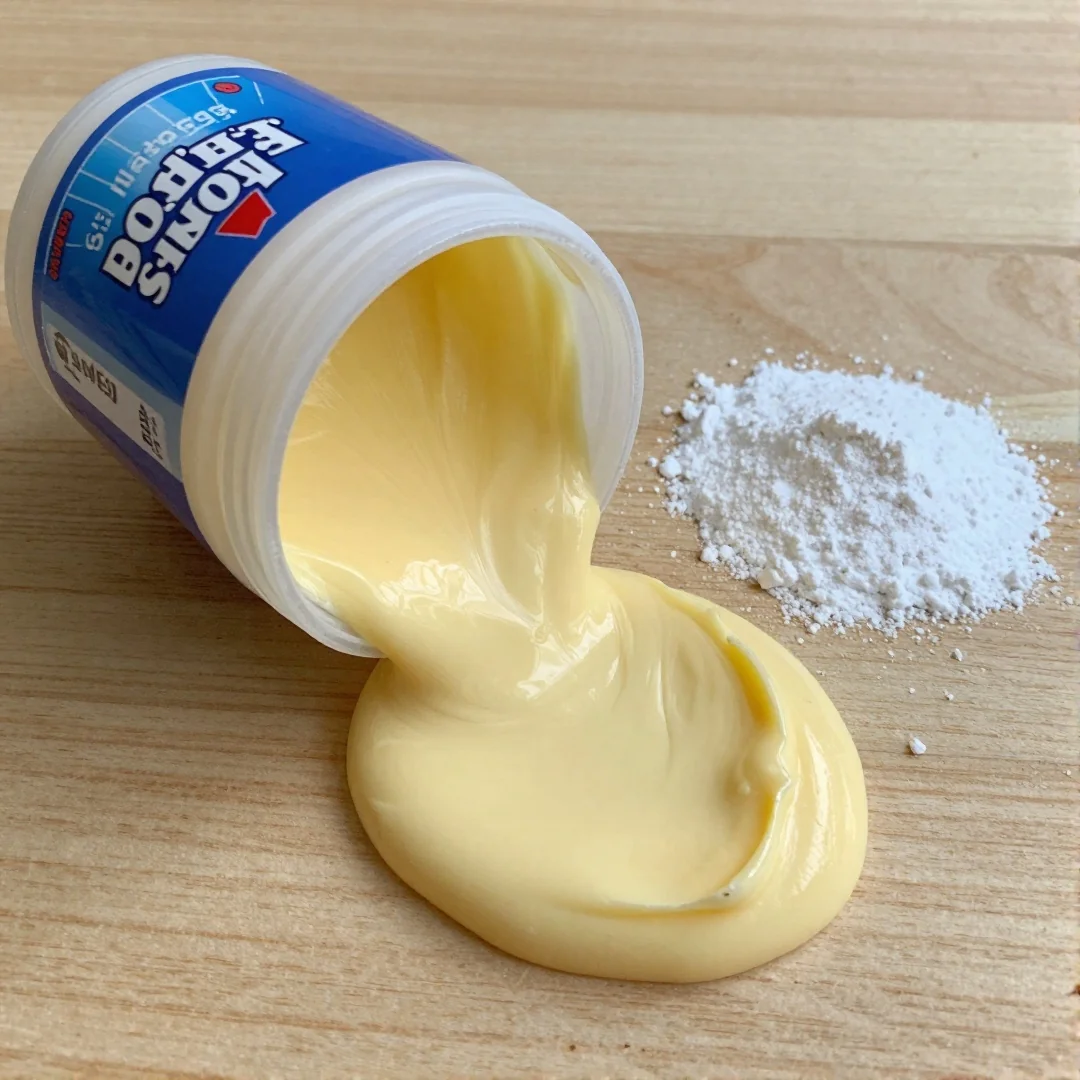
Quick tip: start with 1 cup of PVA glue for a smooth, spreadable base that pulls like butter.
Use 1 cup Elmer’s glue, 2 tbsp soft air-dry clay, 1 tsp baking soda, and 1 tbsp contact solution or saline as a safe activator. The clay is what gives a spreadable butter texture and stops the slime from being too sticky.
- Pour glue into a mixing bowl and stir in baking soda until smooth.
- Add clay a little at a time, folding with a spoon until soft and creamy.
- Add contact solution in small drops while kneading until it holds but still spreads.
- Mix in color, glitter, or foam beads if you like.
Store butter slime in an airtight container or zip bag in the fridge for up to 2 weeks to keep it fresh. Clay improves stability because it binds water and reduces stickiness, so your slime stays soft longer and is less likely to separate.
Crunchy Beads Slime
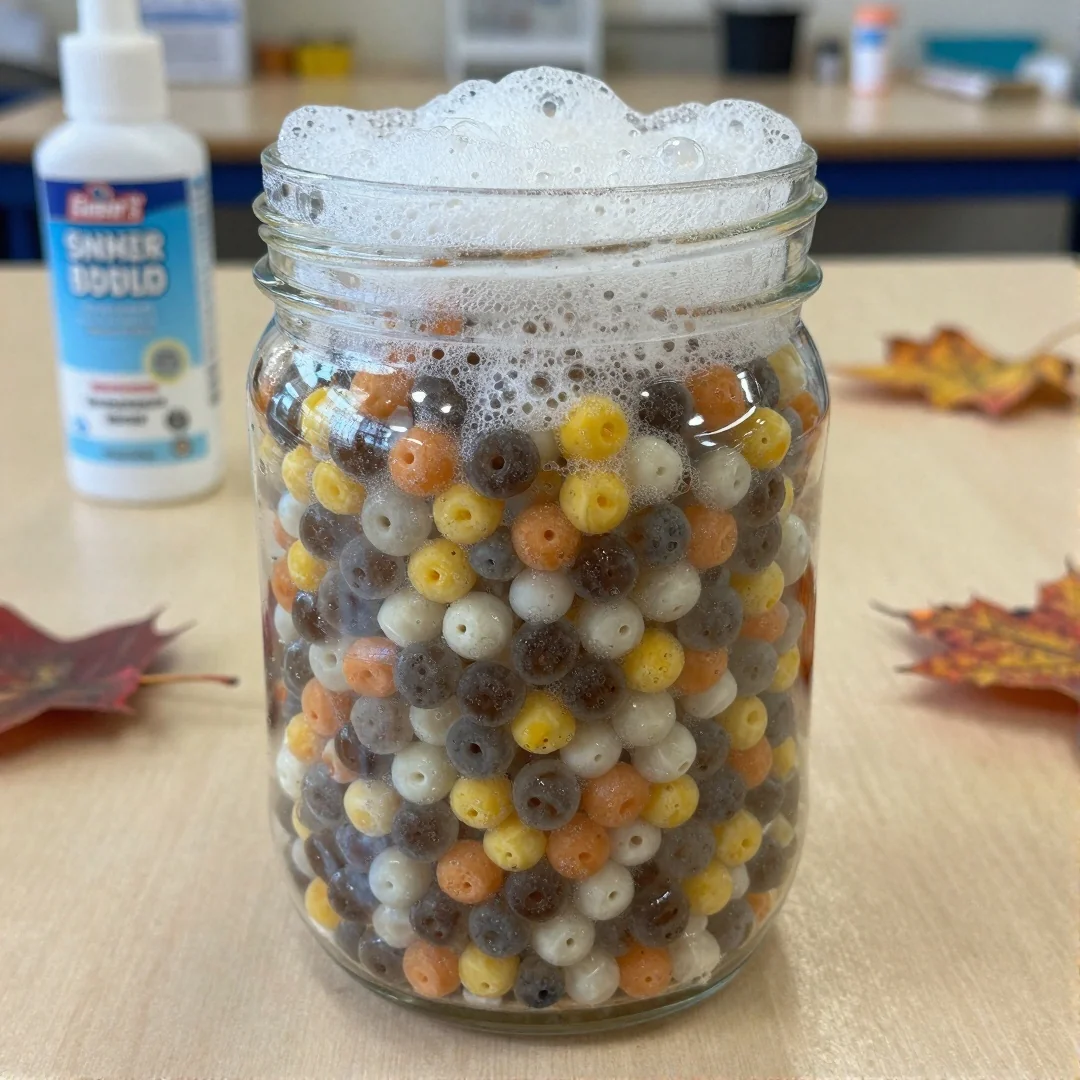
This fall craft makes a crunchy, sensory slime kids love and it’s a simple borax free option for school art time. Start with 1 cup Elmer’s glue for a reliable base so the texture holds beads without falling apart.
Mix glue, 1 tsp baking soda, and 1 tbsp contact solution or saline in a mixing bowl until it pulls away from the sides. That method shows one clear way to learn how to make slime without borax using common activators.
- Add about 1/2 cup foam beads or 1/3 cup plastic beads for extra crunch. Use smaller beads for quieter play and larger beads for louder crunch.
- Stir beads in gently with a spoon, then fold by hand to keep the slime stretchy and avoid crushing beads, which can tear the slime.
Safety first: only give this to kids aged 5 and up, supervise closely, and keep beads off the floor. Foam beads are light and less likely to choke than small plastic beads, but they are still a hazard for toddlers.
Glossy Slime
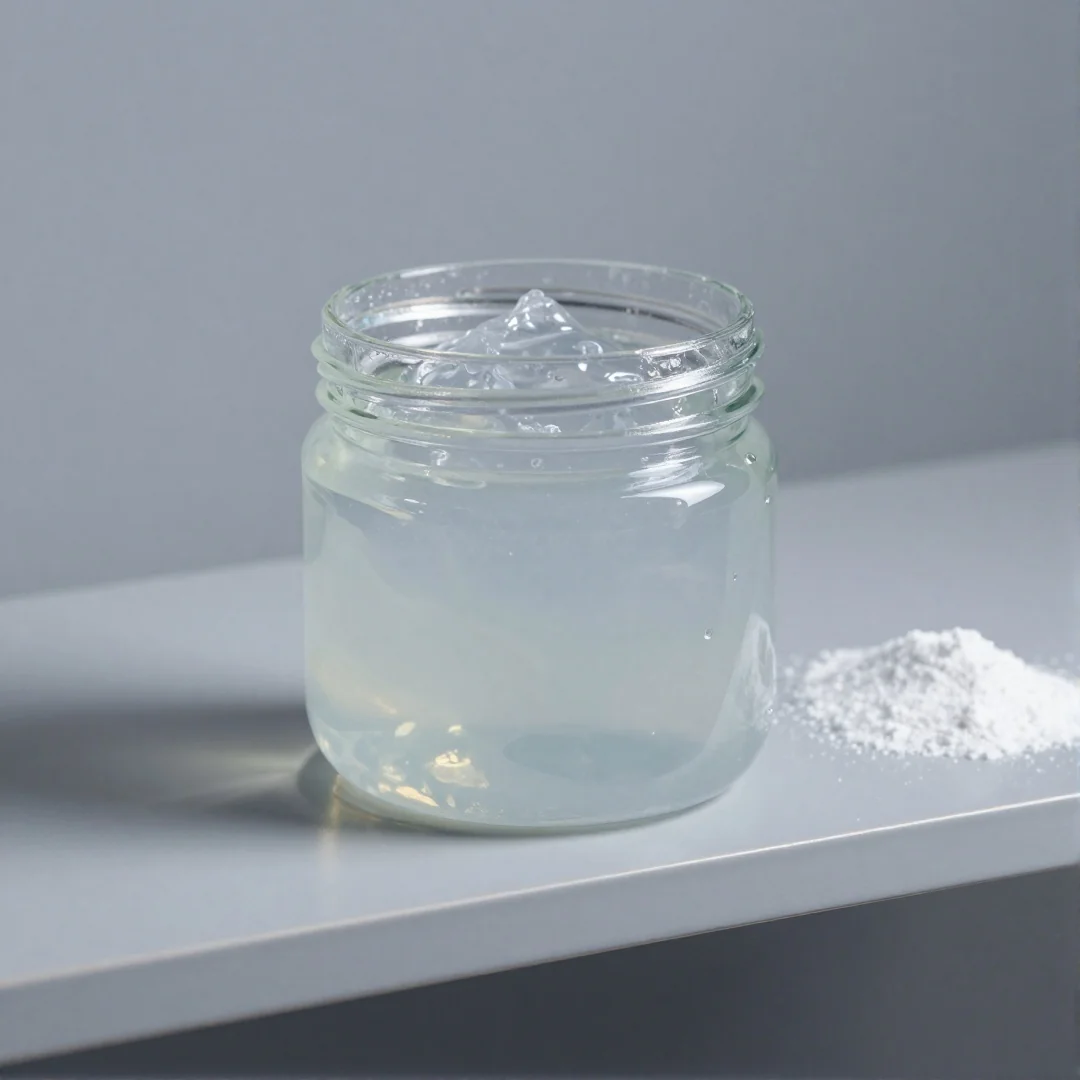
A 4 oz bottle of clear Elmer’s glue is about $3, while a 2 oz bottle of saline contact solution runs around $5. Use the cheaper glue and a small bottle of saline for shine and stretch.
Start with 1 cup clear PVA glue, 1/2 tsp baking soda, and add 1 tbsp contact saline slowly until the slime pulls away from the bowl.
Add 1 tsp glycerin for extra shine and elasticity; glycerin makes slime glossier and stretches more without breaking.
To avoid cloudiness, use only clear glue, stir gently with a spoon, and keep foam beads and glitter out until the slime sets; trapped air causes milky look.
If your slime goes dull, knead in up to 1 tsp more glycerin or rub a drop of baby oil on your hands then knead to restore sheen.
- Sticky fix: add 1 tsp saline and knead.
- Cloudy fix: warm hands and press out air, then rest in a sealed tub 24 hours.
This shows how to make slime without borax while keeping it glossy and kid-safe.
Glow-in-the-Dark Slime
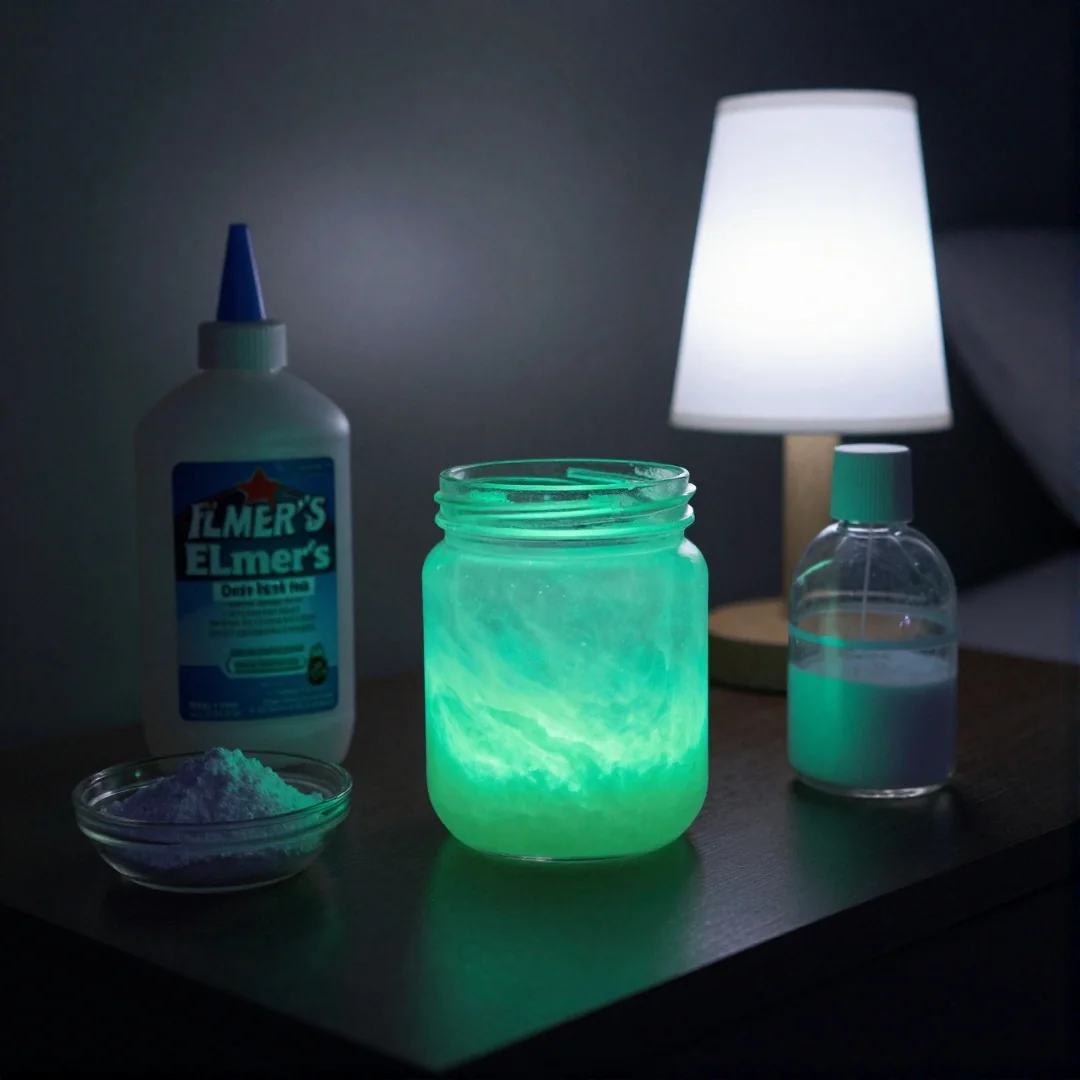
1 full minute of bright light can give your slime a 5 minute glow that kids love.
Start with 4 oz Elmer’s glue, 1/2 teaspoon baking soda and 1 to 1.5 teaspoons contact solution as a simple borax-free base.
Add 1/2 teaspoon glow powder or 1 teaspoon glow paint for strong color; for a cheaper option, a 1 oz tube of glow paint is about $3.50.
Mix in a bowl with a spoon until the slime pulls away from the sides. For a fluffy version, fold in 1 cup shaving cream before activator.
- Charging tips: hold under a strong LED or sunlight for 30 to 60 seconds, flip the slime, then let kids play in a dark room.
- Safety for kids: use non-toxic glow paint or labeled safe glow powder, keep under age 3 supervised, and avoid eye contact.
- Wash-up advice: wash hands and surfaces with warm soapy water; for glue spots use dish soap and a soft brush.
Keep slime stored in an airtight container; it usually lasts 1 to 2 weeks if kept clean and dry.
If you’re searching for how to make slime without borax, this glow method works with common borax free slime recipes and simple swaps like saline or dish soap.
Scented Slime
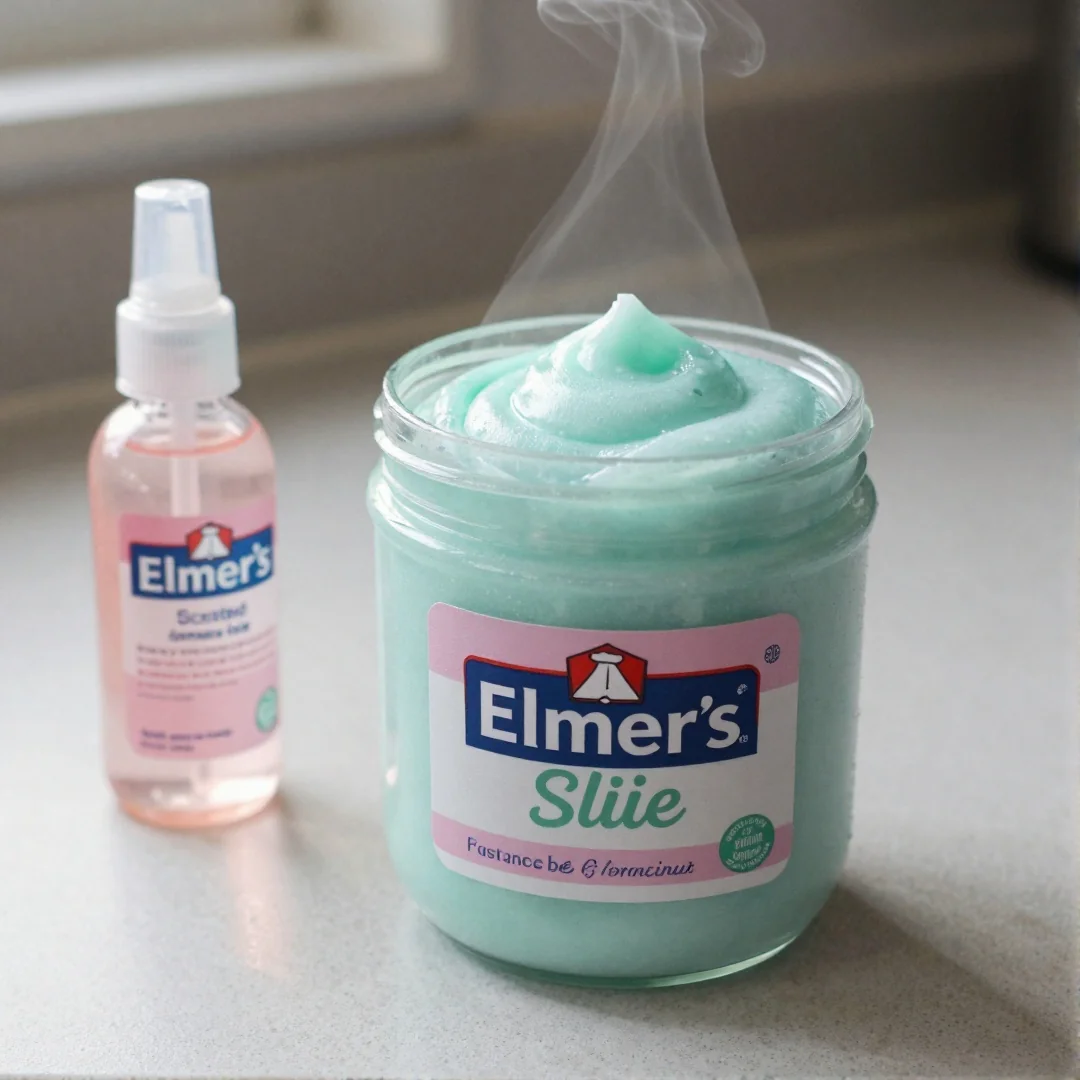
When kids open a tub of slime that smells like cookies they light up, and that scent comes from what you add.
Add 5 to 10 drops of fragrance oil or essential oil per cup of slime base. For a 1 cup Elmer’s glue recipe with saline or contact solution activator add 5 drops first, mix, then add up to 5 more if you want a stronger scent.
- Use fragrance oil for consistent scent and lower skin irritation risk. A 10 ml bottle costs about $3 online.
- Use essential oil only if diluted and tested. Tea tree and peppermint can sting, so avoid them for young children.
- Avoid citrus oils like lemon and bergamot for kids under 6 and skip nut oils if there is a tree nut allergy.
- Do a patch test on skin and keep saline, baking soda, shaving cream, foam beads and glitter out of the nose and mouth.
- Label containers with ingredients and the date to track storage and allergy concerns.
One clear guide for parents learning how to make slime without borax is to choose nonirritating scents and stick to low amounts.
Foam Bead Slime
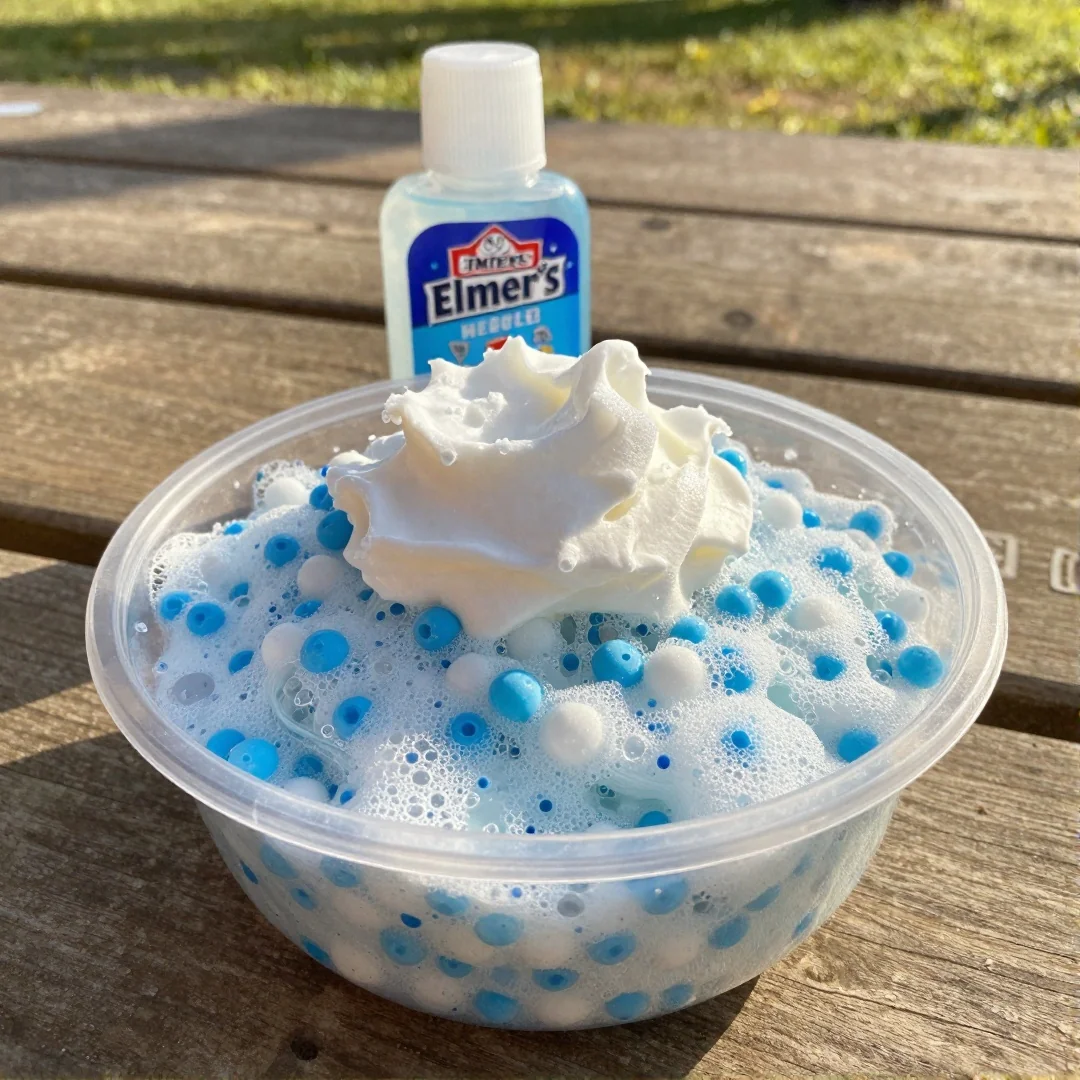
Want a crunchy, fluffy slime kids can squish for sensory play?
Start with a fluffy base: mix 1 cup Elmer’s glue (240 ml), 1 cup shaving cream, and 1/2 teaspoon baking soda in a bowl.
Add activator slowly: stir in 1 tablespoon contact solution (saline with boric acid-free labels preferred) at a time until the slime pulls away from the bowl but stays soft.
Fold in foam beads by volume: add 1/2 cup foam beads for light crunch or 1 full cup for dense crunch; use a silicone spatula so beads don’t pop.
For another perspective, this detailed piece on 5 Ways to Make Slime with Baking Soda is worth a read.
- Texture notes: expect a fluffy yet crunchy feel with 1/2 to 1 cup beads; more beads give louder crunch but can make slime stiffer.
- Photo ideas: shot from above with hands stretching, close-up of bead texture, and a mason jar prop; use bright food coloring and glitter for contrast.
- Storage: keep in an airtight container at room temperature. Add a few drops of water or 1 teaspoon lotion if beads go soggy. Replace beads after about 2 weeks for best crunch.
FAQ
Myth: you need borax to make good slime. Reality: many safe household items make stretchy or fluffy slime with clear measurements and simple tools.
What exact ingredients and measurements do I need?
Each recipe differs, but a basic 3 ingredient slime uses 1 cup Elmer’s glue, 1 tsp baking soda, and 1 tbsp contact solution. Fluffy slime swaps in 2 cups shaving cream; butter slime adds 2 tbsp clay; crunchy uses 1 cup foam beads.
Which household items replace borax and why?
Contact solution or saline works because it contains boric acid or saline salts that cross-link PVA glue molecules. Cornstarch, dish soap, and glue stick (PVA) thicken by absorption or mild polymer interaction and are safe non-borax activators for kids under supervision.
How do I get different textures and fix problems?
For fluffy slime add shaving cream and fold gently. For glossy add lotion and knead for 2 minutes. To fix sticky add tiny amounts of contact solution or 1 tsp baking soda; for runny add 1 tbsp cornstarch. If crumbly, knead in warm water a few drops.
Is borax-free slime safe and what precautions?
Borax-free recipes are safer but not edible. Keep slime away from faces and mouths, wash hands, and supervise ages 3 to 5 closely; most guides recommend 5+ for independent play. If a child has skin sensitivity, test a pea-size amount on the arm first.
How do I store, sanitize, and what about edible slime?
Store in an airtight container in a cool place; most last 2 to 4 weeks. Wipe surfaces before play and discard if it smells off. Edible slime using marshmallows or pudding is non-toxic but high in sugar and can spoil, so avoid for children who still put toys in mouths and know exactly how to make slime without borax before trying edible versions.
You might also like: 18 Homemade Playdough Recipes Kids Absolutely Love
Key Takeaways
I’ve tested these recipes with kids and a classroom full of curious hands and tiny messes are totally manageable.
- Quick safety checklist: Supervise ages 5+, avoid ingestion, wash hands, check labels for boric acid, and keep saline or contact solution with no boric acid.
- Best fix for sticky slime: Add 1/4 tsp baking soda then a few drops of contact solution or saline until it firms.
- Top recipes by texture: Fluffy: 1 cup Elmer’s glue + 1 cup shaving cream; Butter: glue + 2 tbsp cornstarch and knead; Crunchy: glue + foam beads; Glossy: glue + warm water. One-line tip: add a little saline to stop stickiness.
- Storage and sanitation: Store in an airtight container up to 2 weeks, toss if mold appears, wash hands before play.
- Where to buy materials: Elmer’s glue, glitter, and foam beads are at Walmart or Amazon, saline/contact solution about $5 at drugstores.
- Edible and allergy note: Only make edible slime with recipe-tested food items and label it; otherwise keep non-edible craft ingredients away from mouths.
Save this to Pinterest for easy reference.