
18 Homemade Playdough Recipes Kids Absolutely Love
Introduction
Surprising fact: kids use playdough in over 20 different ways to build finger strength and creativity, and learning how to make homemade playdough gives you control over texture, scent, and safety. This guide shows simple mixes from a quick no-cook playdough and a cooked salt dough to an edible coconut oil version, with exact measures like 1 cup all-purpose flour and 1/2 cup table salt for some recipes.
Homemade dough matters because it helps with sensory play and boosts fine motor skills through pinching, rolling, and cutting. You’ll see recipes using cream of tartar, baking soda, cornstarch, vegetable oil, food coloring, and microwaves or saucepans.
I also cover safety, stain prevention, storage in an airtight container, and which recipes are toddler-safe. Expect clear age notes, shelf life tips, and quick fixes so your playdough stays soft and ready for play.
How To Make Homemade Playdough
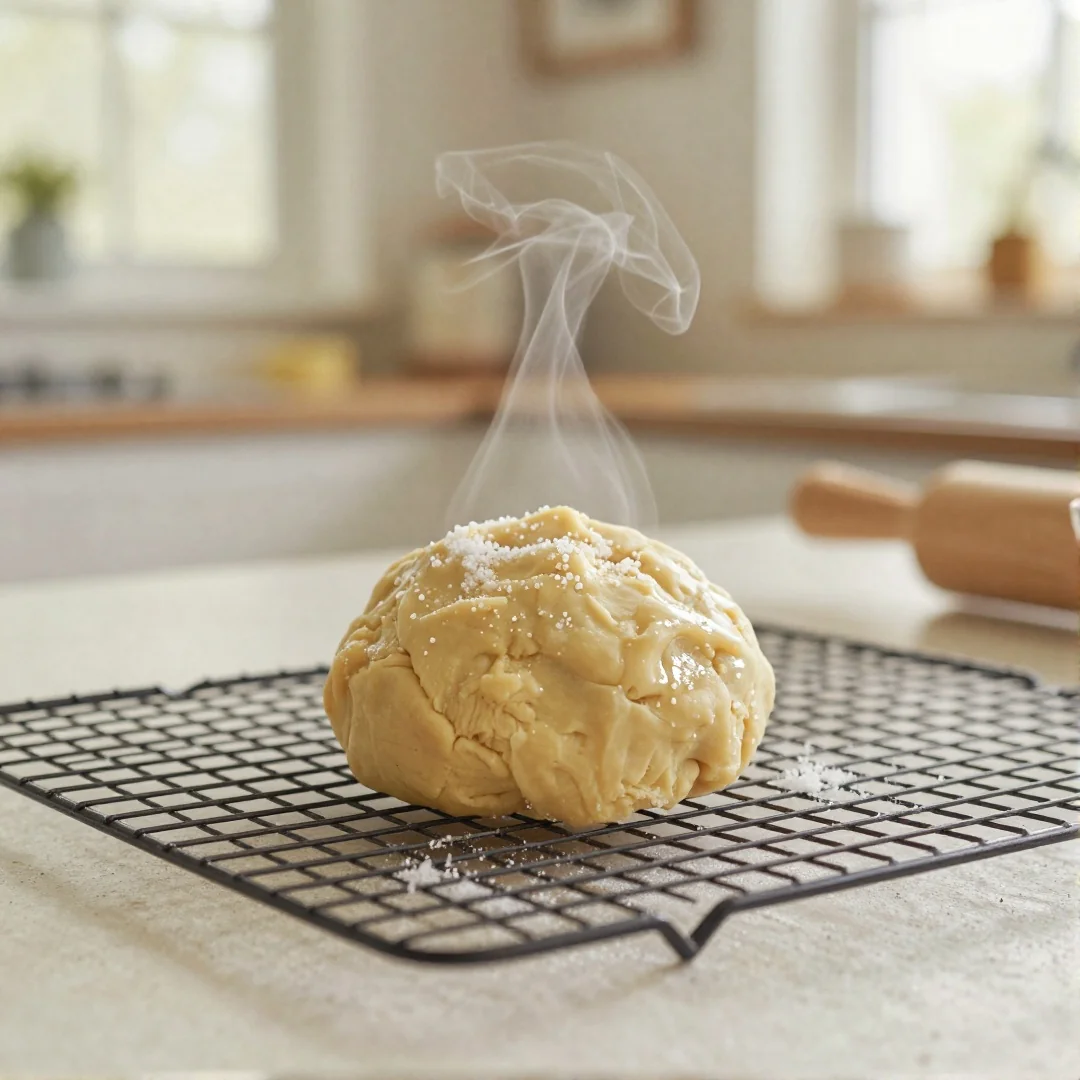
Use a quick cooked salt dough for a long-lasting, soft texture; it takes about 10 minutes to cook and 30 minutes to cool. I know you’ve tried crumbly mixes, so this foolproof cooked salt playdough gives reliable results every time.
Here’s exactly how to make homemade playdough with common pantry items and simple tools.
- Ingredients: 1 cup all-purpose flour, 1/2 cup table salt, 2 tsp cream of tartar, 1 tbsp vegetable oil, 3/4 cup water, 1 tsp baking soda, plus food coloring or essential oils if you want scent.
- Tools: measuring cups, mixing bowl, saucepan, silicone mat, and an airtight container for storage.
- Step 1: Mix dry ingredients in saucepan, stir in water and oil until smooth.
- Step 2: Cook on medium, stirring constantly until it forms a thick paste and pulls from the pan, about 3 to 5 minutes.
- Step 3: Turn out onto a silicone mat to cool 20 to 30 minutes, then knead until smooth and add color or scent.
- Store in an airtight container and expect 2 to 3 months if kept dry; refresh with a few drops of water if it dries.
No-Cook Playdough
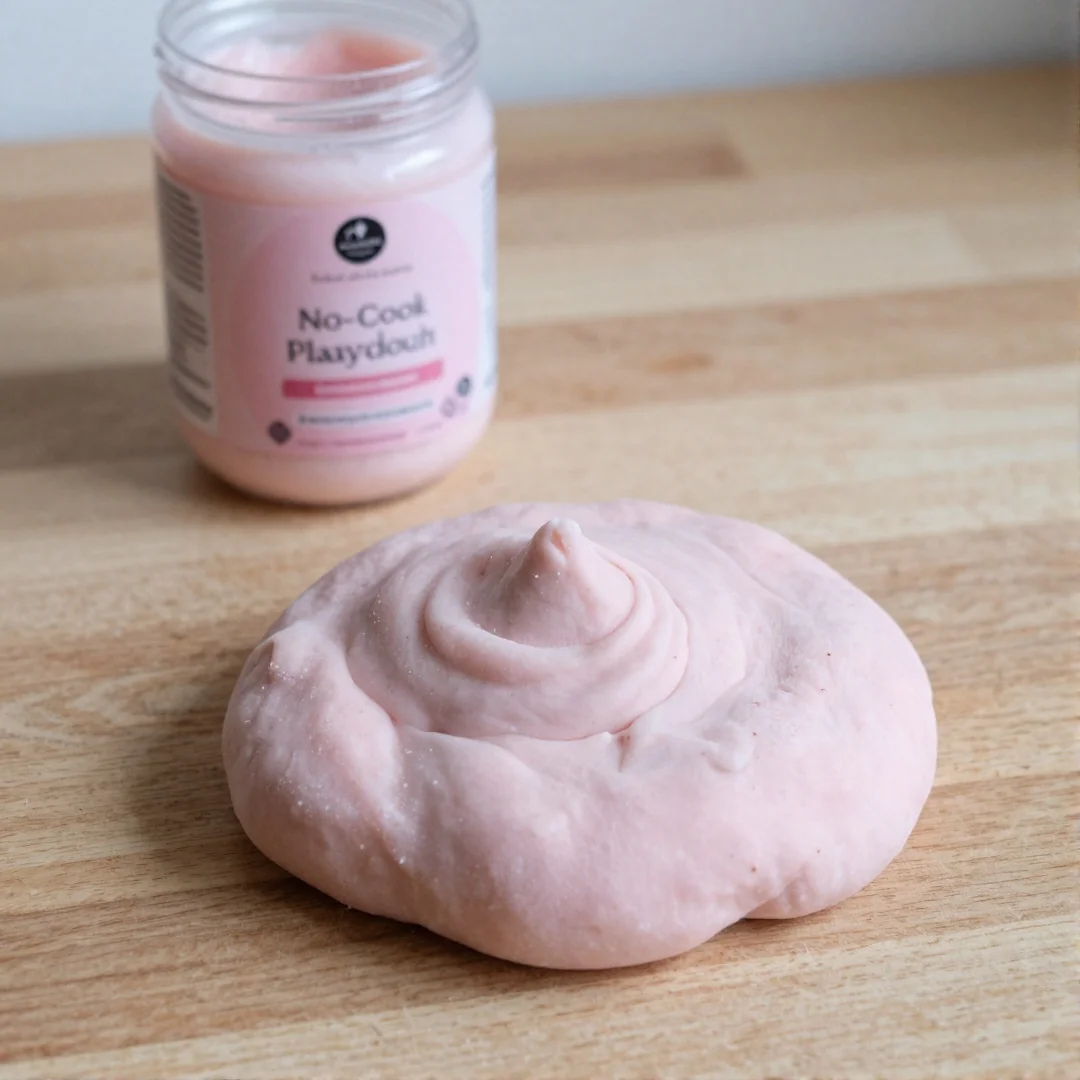
?Want a quick no-cook playdough that really works for sensory play and fine motor skills?
Source: iheartnaptime.net
Try a simple 3 ingredient playdough using cornstarch and hair conditioner, or cornstarch and coconut oil for a food-safe option. For the conditioner version mix 1 cup cornstarch with 1/2 cup creamy conditioner. For the coconut oil version use 1 cup cornstarch and 2 tablespoons melted coconut oil.
- Microwave option: stir in a microwave-safe mixing bowl and heat 20 to 30 seconds, then knead on a silicone mat until smooth.
- Texture tweaks: add 1 tablespoon more cornstarch to firm, or 1 teaspoon oil/conditioner to soften and make soft playdough.
- Color and scent: a few drops of food coloring or 1 drop of essential oils; avoid strong dyes to reduce staining.
- Age guidance: coconut oil version is safer if toddlers mouth dough; conditioner is not edible so use for ages 3 and up with supervision.
- Storage: keep in an airtight container and expect 1 to 2 weeks of good use; refresh dry dough with 1 teaspoon water or oil.
3-Ingredient Playdough
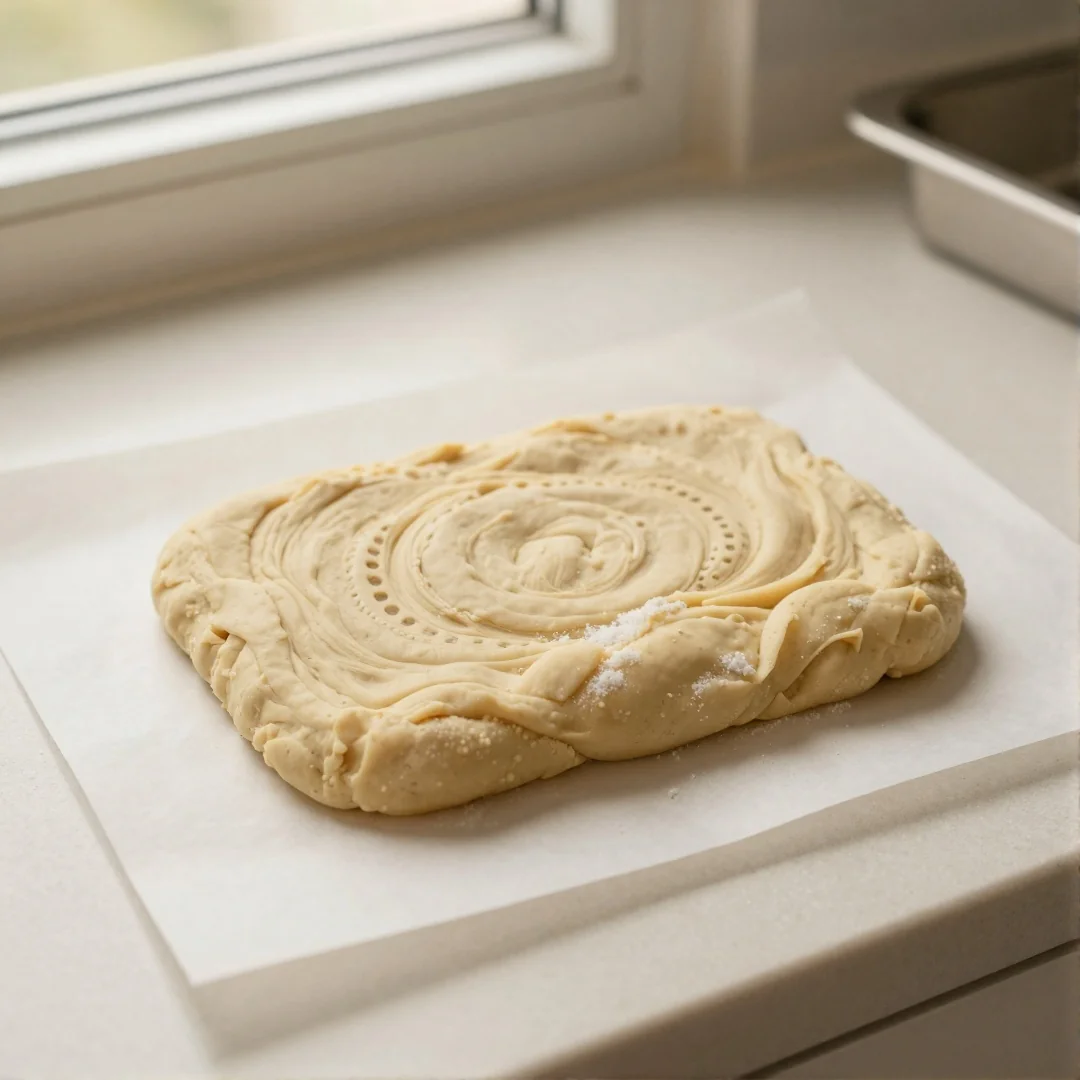
Myth: you need a long ingredient list. Reality: a simple cornstarch mix makes soft, safe sensory dough fast and shows how to make homemade playdough for picky parents.
Source: livingwellmom.com
Basic ratio 1 cup cornstarch, 2 tablespoons baking soda, and 1 tablespoon coconut oil or vegetable oil gives a soft, slightly crumbly dough you can shape. Add 1 teaspoon food coloring if you want color that may stain less than liquid food dye.
Mixing method Stir dry ingredients in a mixing bowl, add oil, then knead until smooth. For a warmer, stretchier feel heat the wet mix 10 to 20 seconds in a microwave or warm gently in a saucepan, then cool and knead.
Pros: non-toxic, quick, no salt split for kids who taste, and great for fine motor play with cookie cutters and rolling pins.
Cons: crumbly if too dry, not as long-lasting as cooked recipes, and colors can still stain porous surfaces.
- Best uses: sensory play, toddler-safe texture work, quick classroom activities.
- Storage time: keep in an airtight container or silicone mat pouch for about 5 to 7 days; toss if it smells or molds.
Baking Soda Playdough
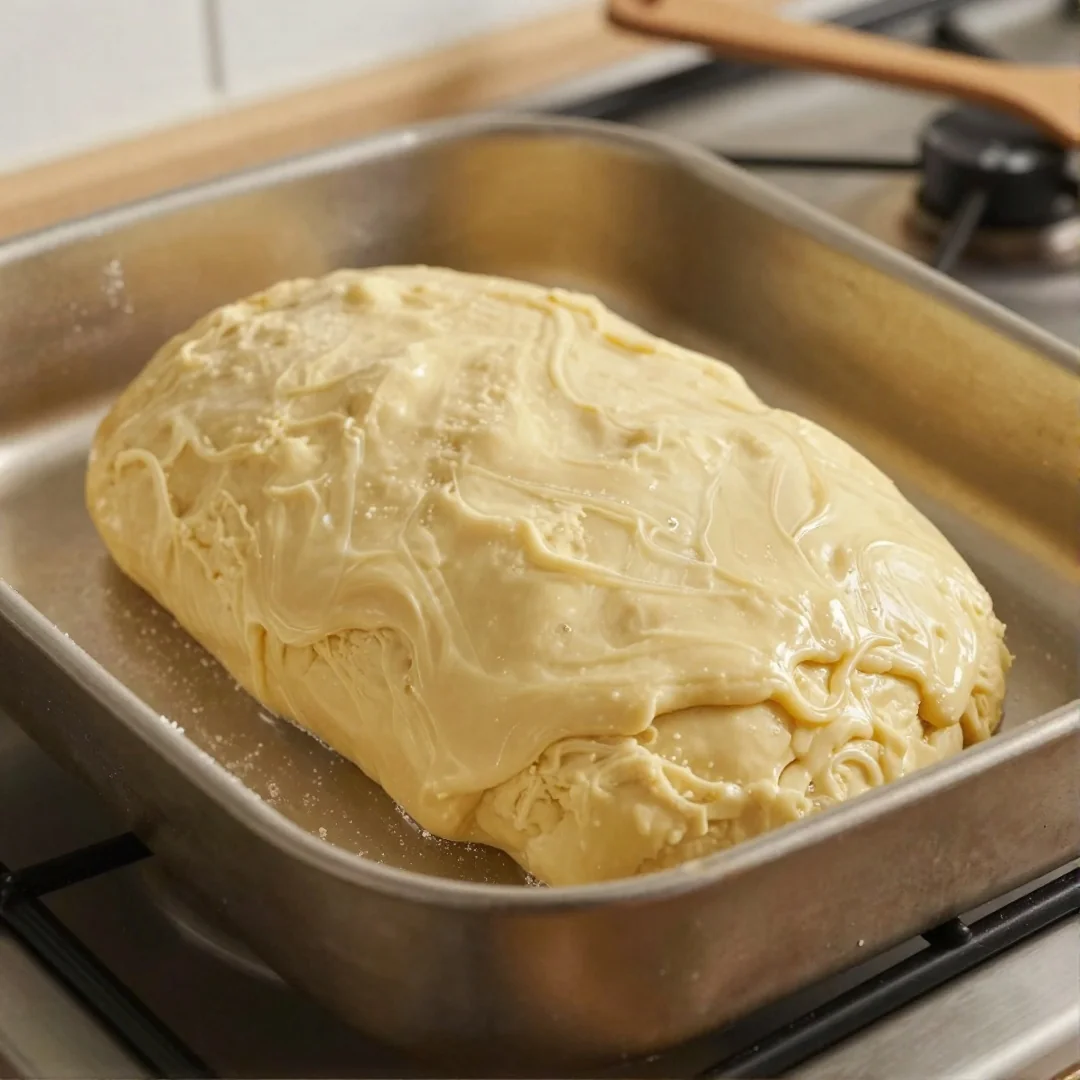
I always reach for baking soda when I want a dough that stretches but stays soft. It gives a slightly silky feel kids love during sensory play.
Quick recipe: mix 1 cup all-purpose flour, 1 cup baking soda, 1/2 cup water, and 1 tbsp vegetable oil in a saucepan. Stir over medium heat until it forms a ball, about 3 minutes. Add a few drops of food coloring if you want.
Why baking soda works: it raises pH and slightly dissolves starch, which loosens gluten bonds in flour so the dough becomes stretchy and soft rather than crumbly.
Safety notes for toddlers: this is a food-safe recipe if you use edible ingredients, but do not let kids eat large amounts. For under 3s, supervise closely because the fine powder can irritate if inhaled.
- Storage: keep in an airtight container or a silicone mat, lasts about 2 weeks.
- Fixes: add 1 tsp water if dry, 1 tsp flour if sticky.
If you want alternatives, check a simple baking soda playdough recipe for no-cook or edible versions and how to make homemade playdough that lasts longer.
Edible Marshmallow Dough
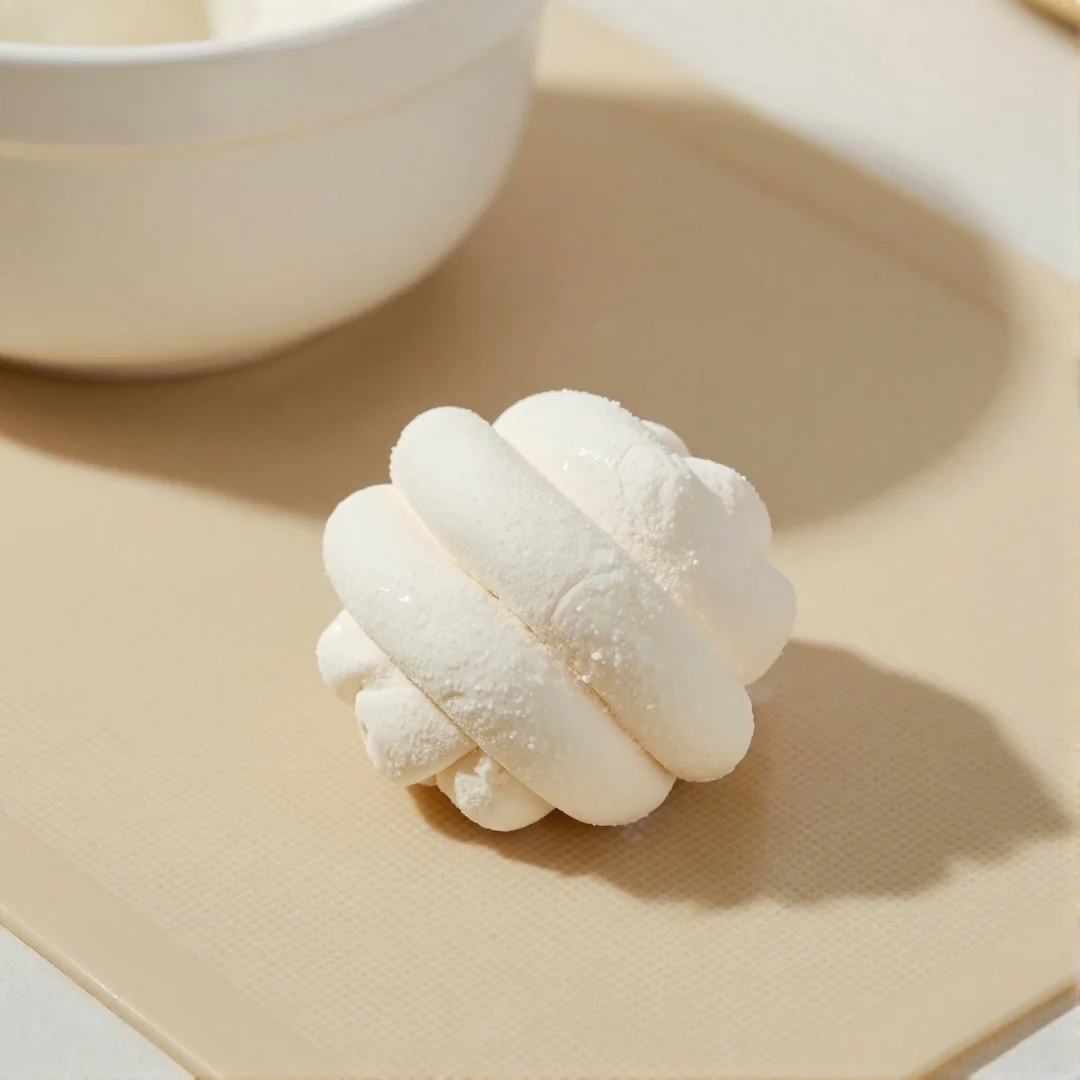
Quick tip: use a silicone mat for kneading to avoid sticky mess and easy cleanup.
In a microwave-safe mixing bowl melt 1 cup mini marshmallows with 1 tablespoon coconut oil for 20 seconds, stir, then heat another 10 seconds if needed until smooth.
Stir in 1 cup cornstarch, 1 teaspoon vanilla, then press and knead on the mat until soft and smooth; add up to 2 tablespoons more cornstarch if sticky.
- Tools: measuring cups, mixing bowl, microwave, silicone mat.
- Texture: soft, slightly tacky, great for sensory play and fine motor skills.
Safety: this is an edible playdough for toddlers but must be used only with constant supervision because marshmallows can be a choking risk for under 3-year-olds and it contains allergens like gelatin.
Storage: keep in an airtight container in the fridge for up to 5 days; toss if it smells off or gets slimy.
Use food coloring sparingly to avoid staining hands or fabric.
Cornstarch Clay
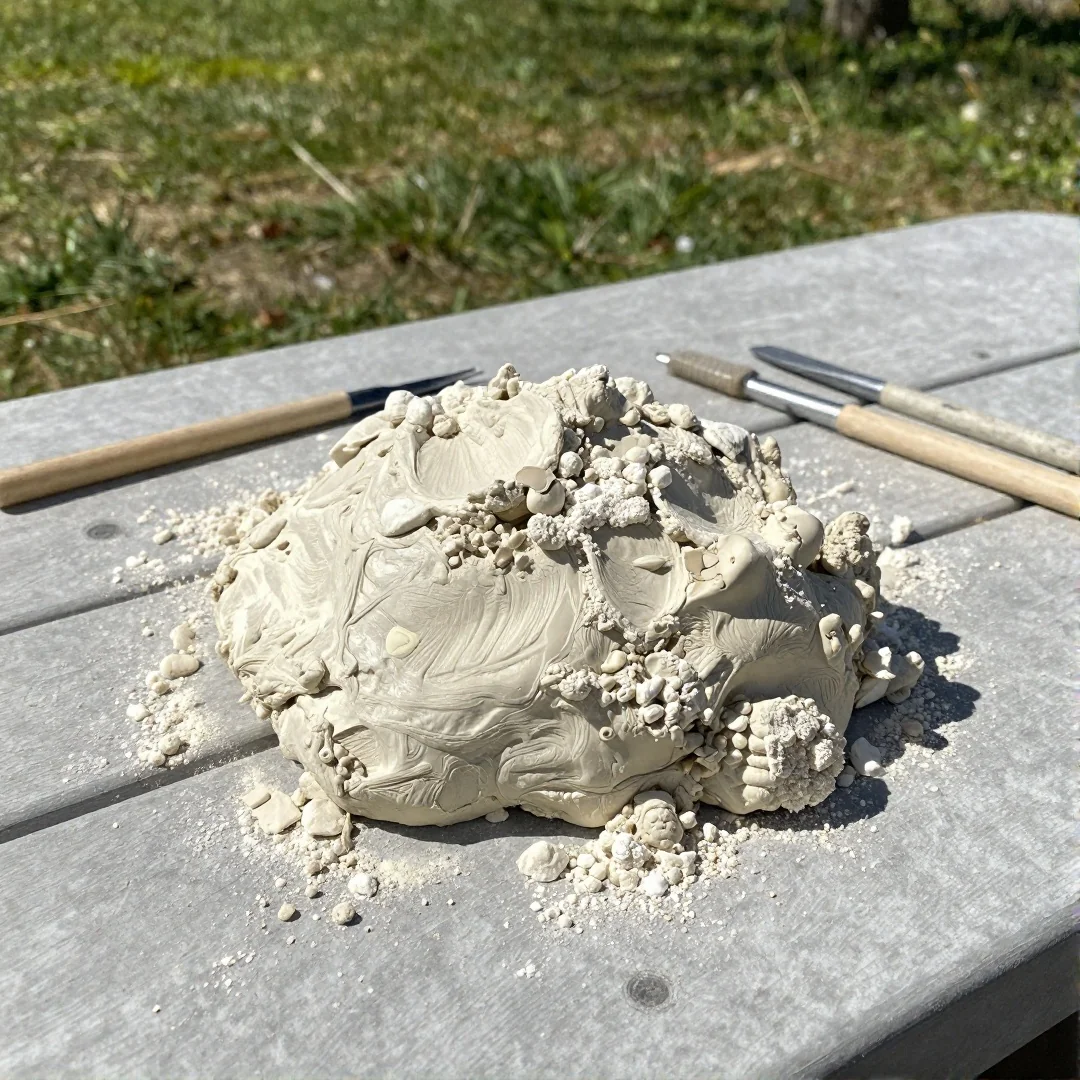
For sunny spring sensory bins, cornstarch clay gives a dry, slightly powdery feel that kids love for sculpting and fine motor play. This recipe shows how to make homemade playdough that is firm yet moldable, using simple pantry items.
Mix 1 cup cornstarch with 1/2 cup baking soda and 2 tablespoons coconut oil in a mixing bowl until crumbly. Add food coloring or a drop of essential oil for scent, then press and knead on a silicone mat for 2 minutes.
For extra firmness bake lightly at 200°F for 8 to 10 minutes on a baking sheet; this sets the surface and reduces stickiness. Baking shortens shelf life to about 1 week in an airtight container but gives sharper details for sculptures and photo-friendly projects.
For a no-bake version heat gently in a saucepan over low heat until it thickens, then cool and knead. Store in an airtight container and check for dryness; add 1 teaspoon vegetable oil to revive slightly crumbly dough.
Soft Coconut Oil Dough
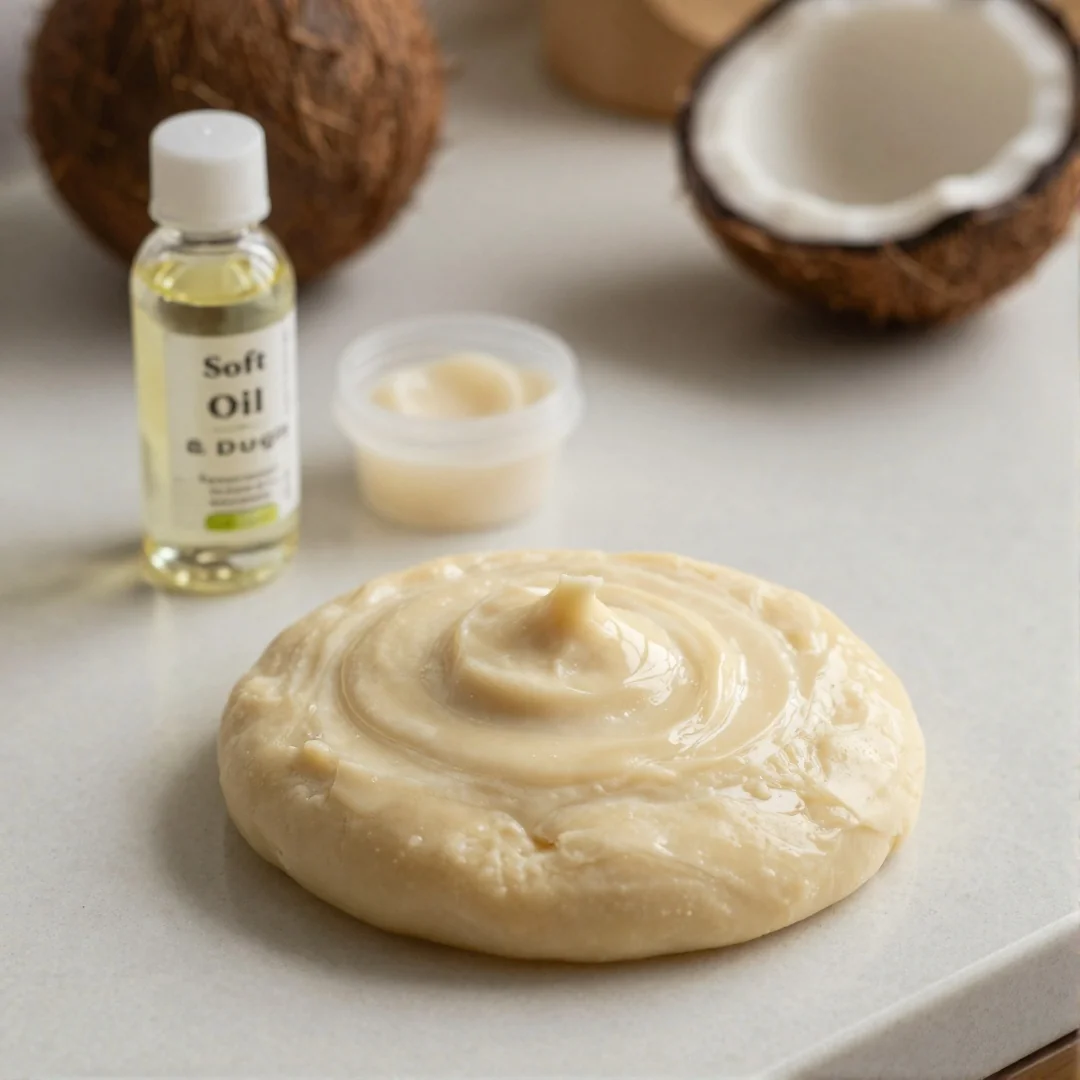
For about $3 per batch this coconut oil version costs about the same as a small store tub of playdough.
Start with a simple, oil-rich recipe that makes extra soft, very pliable dough for sensory play.
Mix 2 cups all-purpose flour, 1 cup table salt, 2 tbsp cream of tartar, 1 cup water, 1/4 cup coconut oil and 1 tbsp vegetable oil in a saucepan or microwave-safe bowl and heat gently while stirring until it forms a ball. This is a cooked soft playdough recipe that lasts longer than no-cook versions.
Cool slightly, knead on a silicone mat and store in an airtight container.
For scent, add 1-2 drops food-safe extracts or 1 drop essential oil like orange or vanilla while kneading for a pleasant aroma without staining.
Pros: very soft and great for fine motor skills. Cons: add too much oil and it will feel slightly greasy and attract lint.
Tip: to rescue greasy dough, knead in 2 tbsp cornstarch or 1 tbsp flour until texture improves.
Stretchy Cream Of Tartar Dough
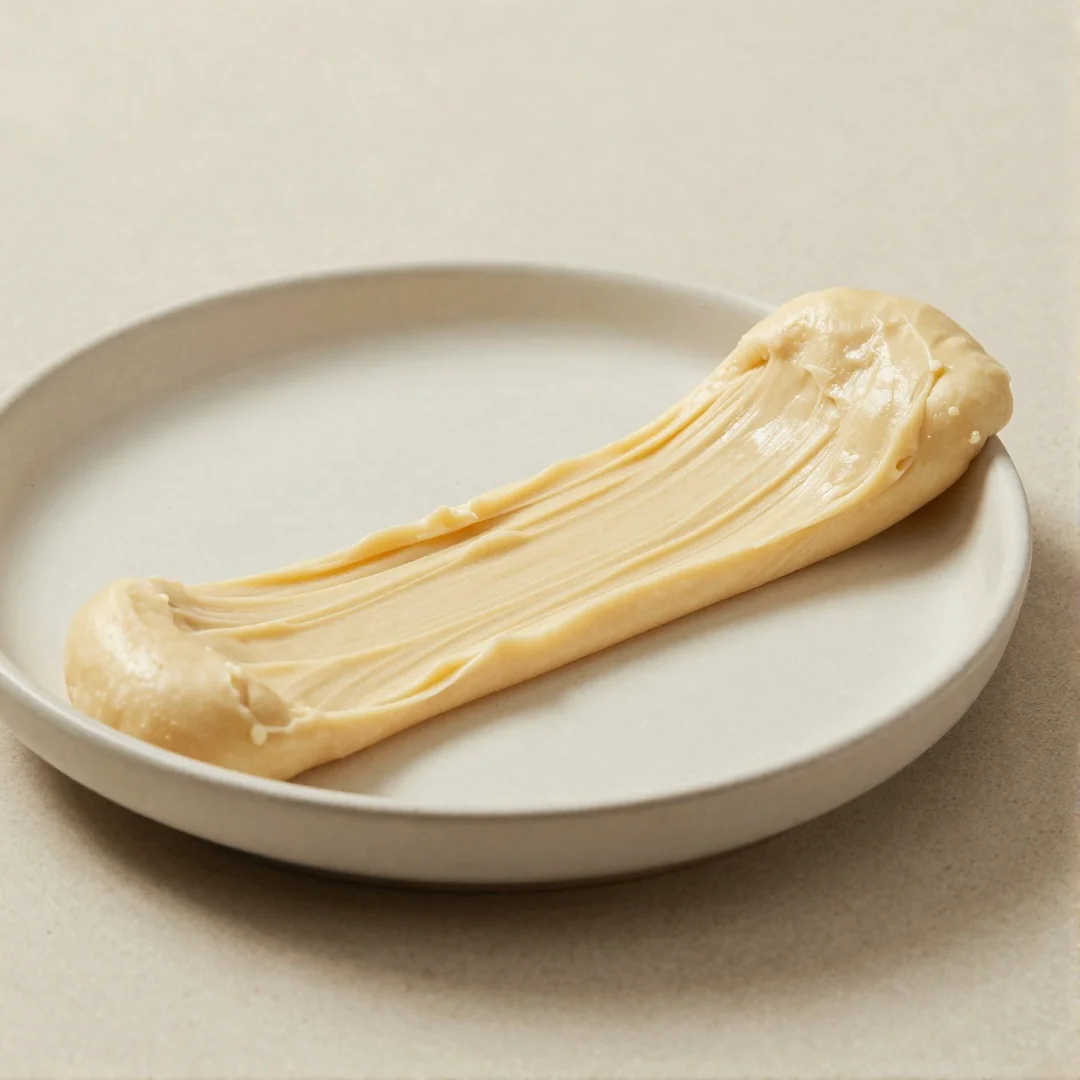
1 teaspoon might not sound like much, but adding 2 tablespoons of cream of tartar to a basic flour mix makes the dough noticeably elastic and longer lasting.
Mix 2 cups all-purpose flour, 1 cup table salt, 2 tablespoons cream of tartar, 2 tablespoons vegetable oil and 1.5 cups water in a saucepan. Add a few drops of food coloring if you want.
Cook on low, stirring until the mass pulls from the pan, then cool on a silicone mat.
- Knead warmth into the dough by pressing with your palms for 2 minutes to unlock stretch.
- Add tiny water amounts, 1 teaspoon at a time, if it feels dry.
- Use dry measuring cups for flour and cup for liquids so the texture stays consistent.
Store in an airtight container to extend shelf life, and this homemade playdough recipe is a great answer when you search how to make homemade playdough that lasts.
No-Salt Honey Dough
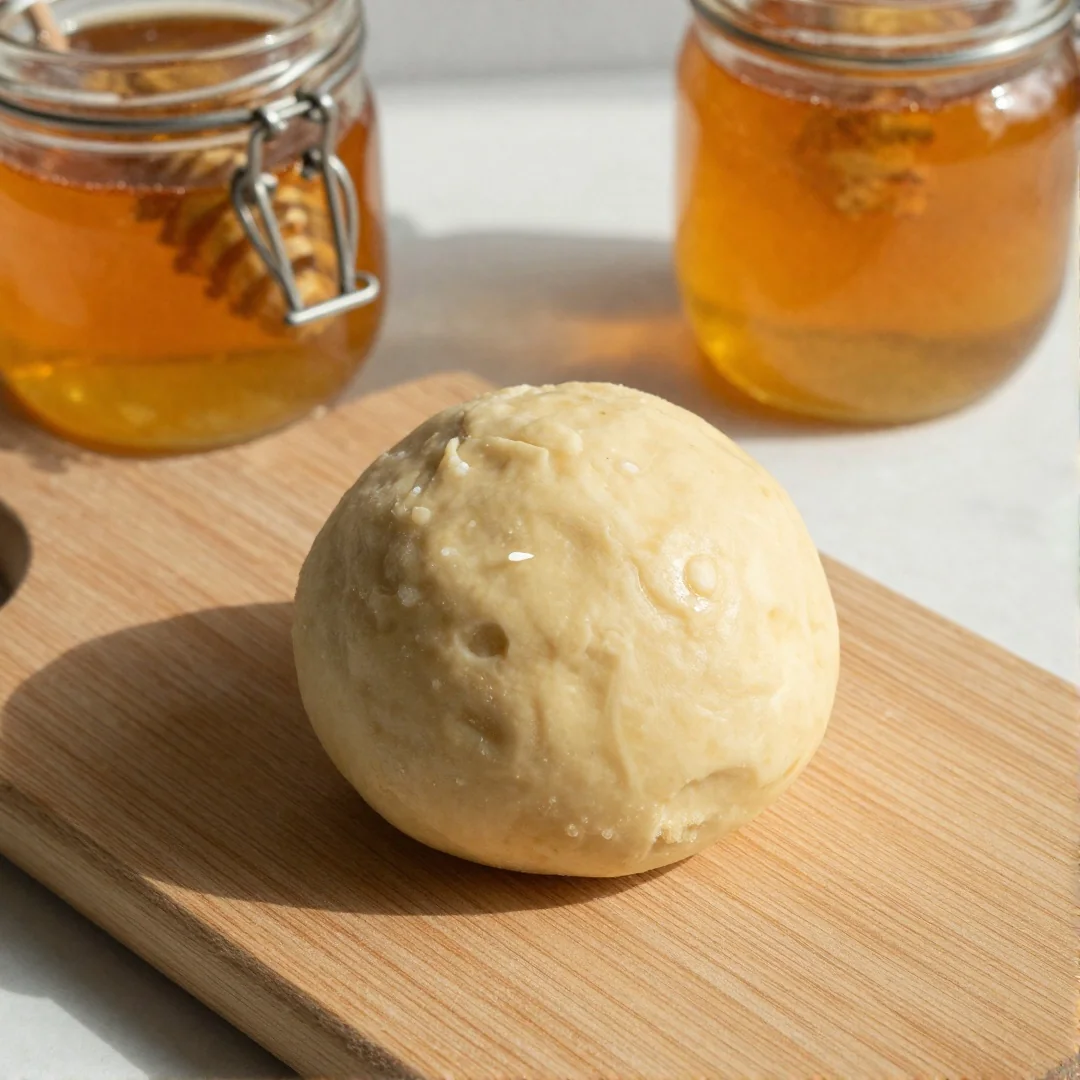
When a toddler wants to taste their creation, reach for this simple, sweet dough that feels like play and smells like honey. This salt-free, edible option uses 1 cup all-purpose flour or 1 cup oat flour, 2 tablespoons honey, and 1 tablespoon vegetable oil for a soft, non-toxic texture.
Parents ask how to make homemade playdough that is safe to nibble. This recipe fits that need for supervised toddlers and supports sensory play and fine motor skills without table salt or cream of tartar.
- Age: safe for supervised toddlers 12 months and older. Avoid for under 1-year-olds because of choking and honey ingestion risks.
- Storage: press dough flat, wrap in plastic, then store in an airtight container in the fridge for up to 5 days.
- If sticky: sprinkle 1 teaspoon cornstarch and knead on a silicone mat until less tacky. If dry, add 1 teaspoon vegetable or coconut oil and knead.
- Tools: measuring cups, mixing bowl, and optional food coloring or mild essential oil for scent.
Microwave Playdough
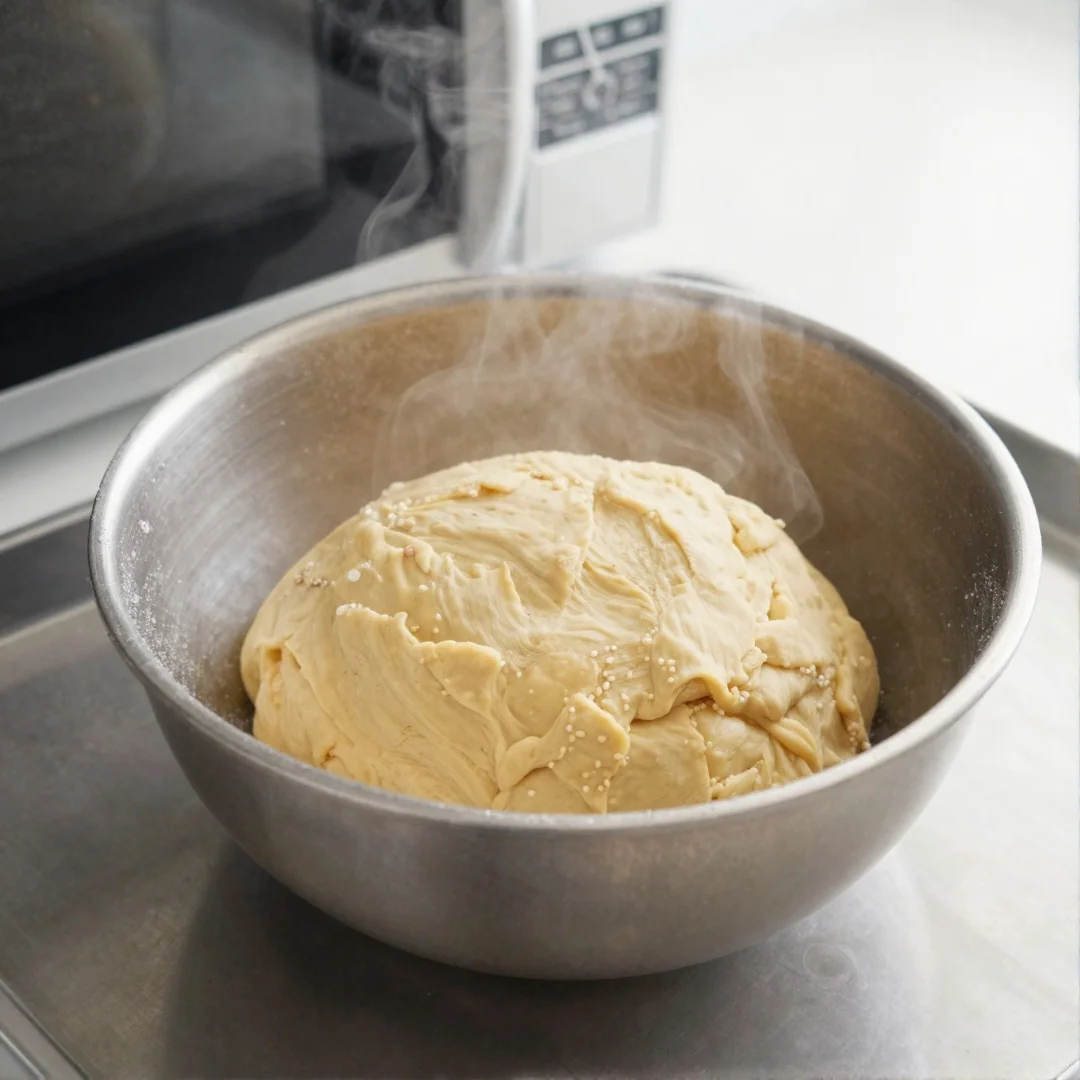
?Want a quick cooked playdough you can make in minutes for sensory play.
Yes. This microwave method shows how to make homemade playdough fast using a mixing bowl and a microwave.
- Ingredients: 1 cup all-purpose flour, 1/4 cup table salt, 2 tsp cream of tartar, 1 tbsp vegetable oil, 3/4 cup water, food coloring.
- Mix the dry ingredients in a microwave-safe bowl, stir in water and oil until smooth.
- Cook by watt: for 700W heat 30 to 40 seconds, for 1000W heat 20 to 30 seconds. Stop early if it puffs or darkens.
- Watch for scorch: if edges brown, remove immediately and stir. Overcooking makes the dough dry and crumbly.
- Let the dough cool 5 minutes on a silicone mat, then cool and knead until soft and elastic; add a few drops of coconut oil for extra stretch.
- Store in an airtight container for up to 2 weeks and supervise toddlers for safety.
Long-Lasting Cooked Dough
Some say cooked playdough never goes bad. Reality: a cooked recipe with the right salt and cream of tartar will last much longer than a no-cook batch, but it still needs proper care.
Make it: mix 2 cups all-purpose flour, 3/4 cup table salt, 2 tbsp cream of tartar, 2 tbsp vegetable oil, 1.5 cups water, and food coloring in a saucepan. Cook on low until it forms a ball. Cool on a silicone mat and knead until smooth.
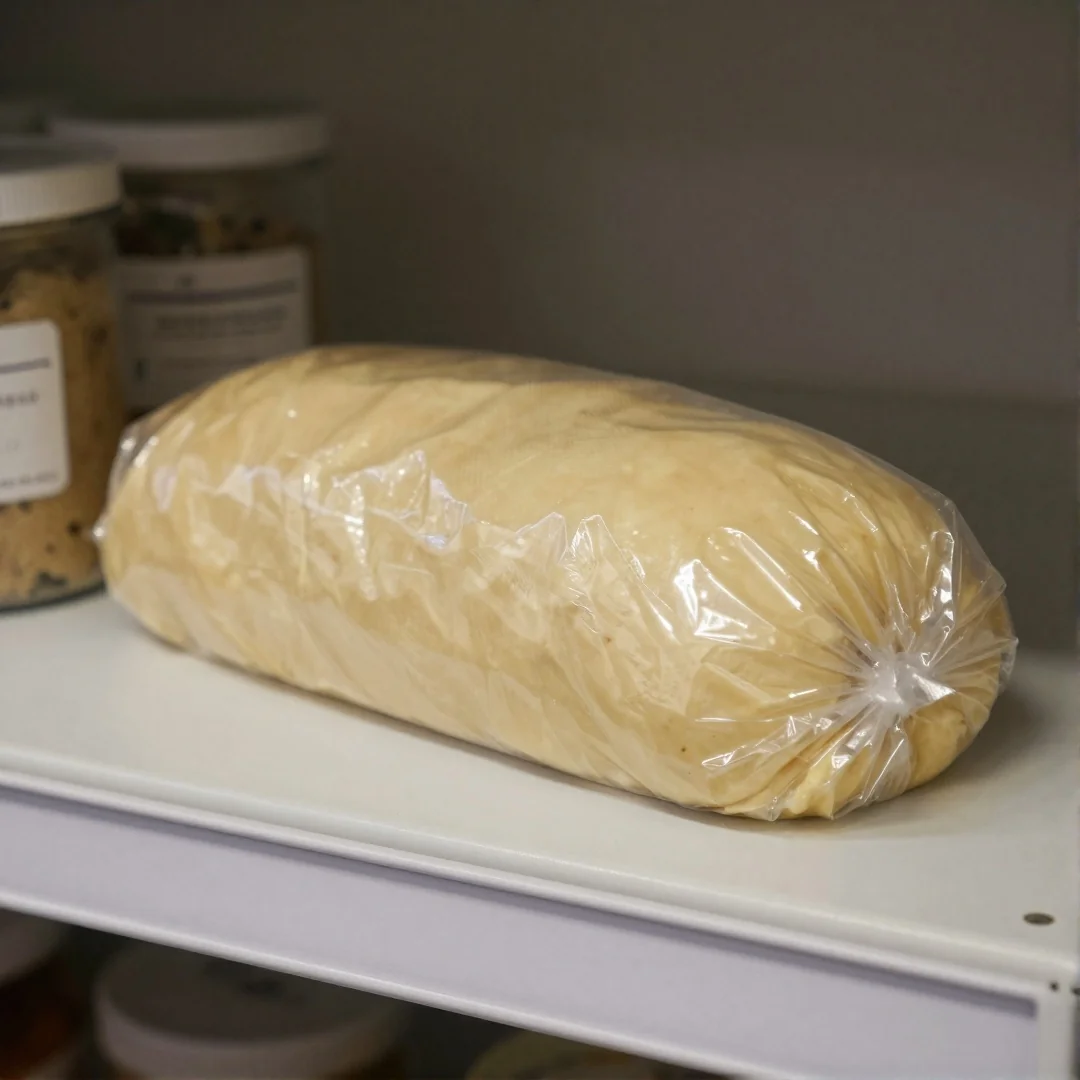
Store it in a clean airtight container or zip bag. Kept at room temperature, expect up to 3 months; in the fridge you can stretch that to about 6 months but refrigeration may stiffen texture.
- Test for spoilage: sniff for sour or rancid odor, look for mold or sticky sliminess, and check for color changes.
- Refresh dry dough: add 1 tsp vegetable oil and knead, or microwave 10 seconds sealed in a bowl, then knead. Discard if mold, strong odor, or persistent stickiness remain.
This cooked method answers how to make homemade playdough that lasts while staying safe for sensory play and fine motor skills.
Non-Staining White Dough
I always make a plain batch when little hands will be near white shirts; it saves a lot of cleanup. Use a simple cooked salt dough if you want a true, non-staining white that still feels soft.
- Easy recipe: Mix 2 cups all-purpose flour, 1 cup table salt, 4 teaspoons cream of tartar, 2 tablespoons vegetable oil and 2 cups water in a saucepan. Cook on low, stir until it forms a ball, cool, then knead on a silicone mat. Store in an airtight container.
- Why it won’t stain: No food coloring means no dye transfer. Add a few drops of vanilla or 1 drop of kid-safe essential oil for scent without color.
- Which colorants stain: Red, purple and concentrated gel food coloring and liquid dyes are the worst for skin and carpet. Turmeric and beet powder also leave marks.
- Safer options: powdered food-safe dyes or small amounts of cocoa for tan tones. Cosmetic micas look pretty but skip them for toddlers who mouth things.
- Stain removal tips: for skin use dish soap and warm water, for carpet blot with club soda then a 1:1 baking soda and water paste, and for stubborn fabric stains try a stain remover with oxygen bleach.
Edible Oat Flour Dough
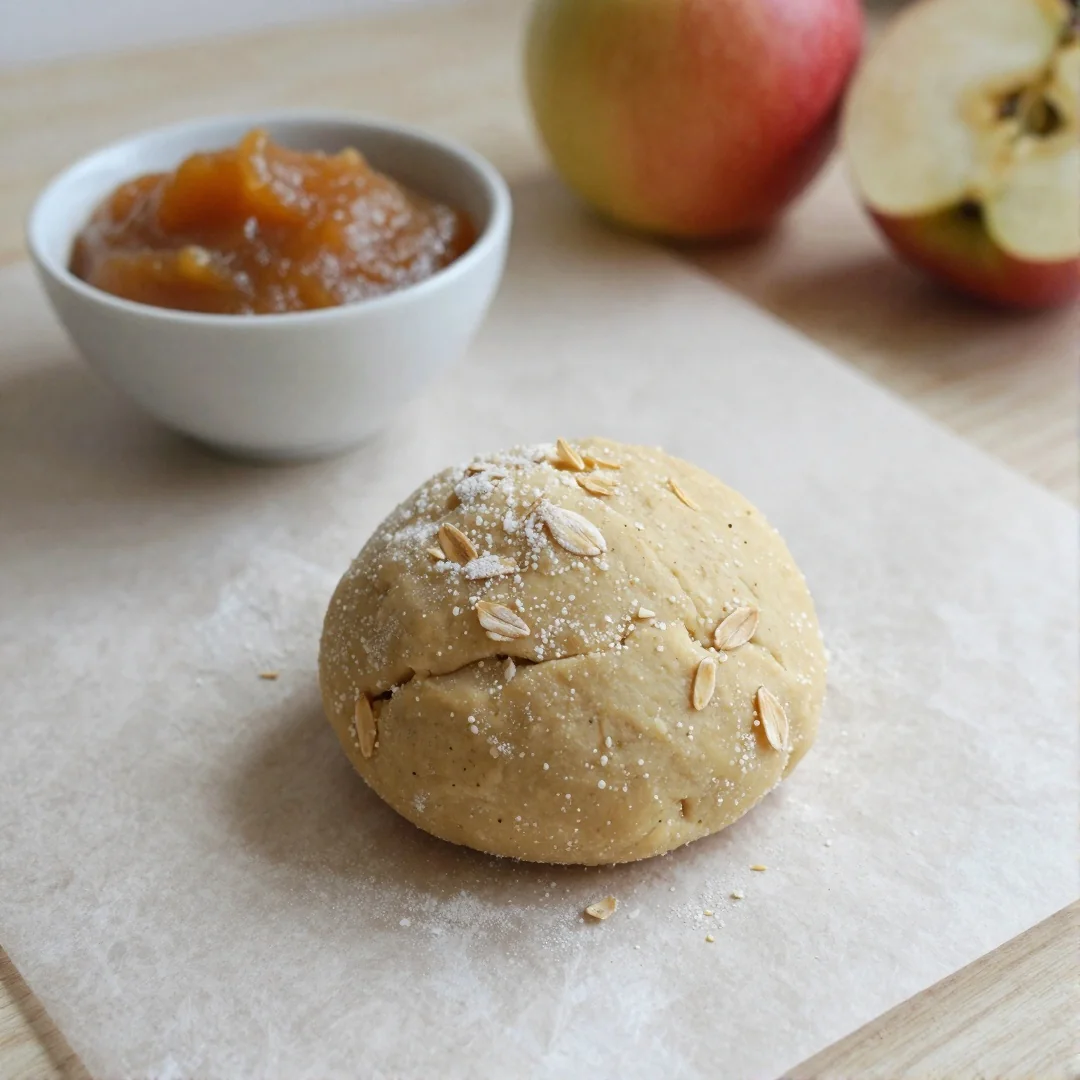
Tip: mix wet into dry slowly so the dough does not get sticky and need extra oat flour.
This whole-grain edible recipe uses 1 cup oat flour and 1/2 cup unsweetened applesauce for a food-safe, no-salt option toddlers can taste safely.
The flavor is mild and slightly sweet from applesauce, and the texture comes out soft and slightly crumbly, not stretchy like a baking soda playdough recipe.
Fridge life is short. Stored in an airtight container on a silicone mat or shelf in the fridge it lasts up to 5 days. Toss at the first odd smell or if it gets moldy.
- Best activities: rolling with a small rolling pin, pressing cookie cutters, simple scooping to build fine motor skills.
- Safety note: supervise eating play for toddlers under 3 and avoid choking-sized pieces.
- Try cinnamon for scent or a drop of food coloring if you want a non-staining tint.
This is a gentle, easy edible playdough for toddlers and fits parents searching for how to make homemade playdough that is food-safe.
Glitter Safe Dough
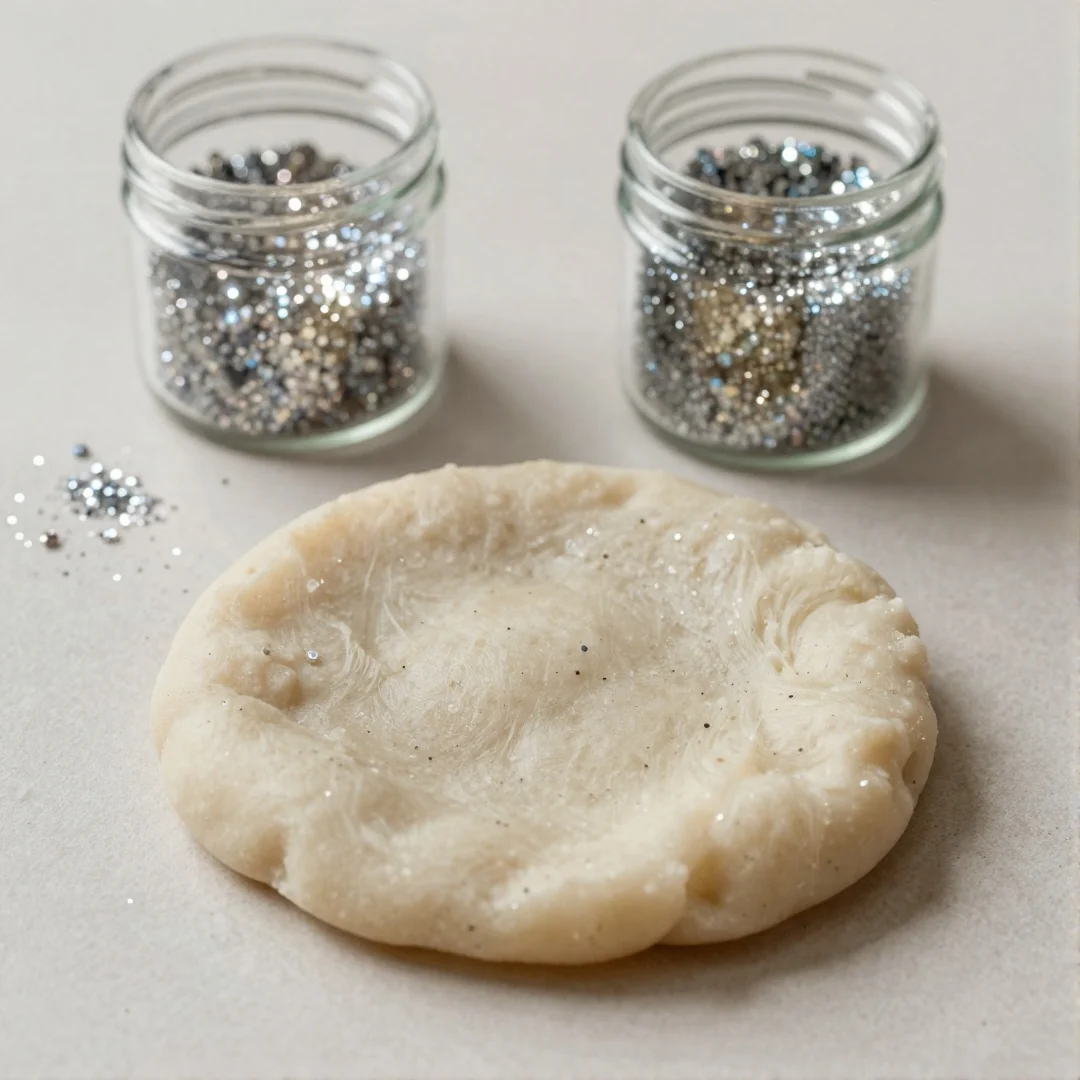
For holiday crafts this season, add sparkle that stays soft and tidy.
Use cosmetic-grade glitter or small-particle biodegradable glitter so sparkles do not scratch or make the dough gritty.
- Mixing ratio: add no more than 1/2 teaspoon glitter per 1 cup of finished dough to avoid grit.
- Work glitter into a soft playdough recipe or a no-cook playdough base made with all-purpose flour, table salt, cream of tartar, vegetable oil and food coloring for best texture.
- For toddlers choose edible glitter alternatives and label clearly; always use supervised play when small pieces are present.
- Store glitter dough in an airtight container or zip bag, on a silicone mat, away from heat; expect 2 to 3 weeks shelf life with proper storage.
- If dough feels gritty, knead in 1 teaspoon cornstarch at a time until smooth.
When you learn how to make homemade playdough with sparkles, these small steps keep it safe and soft.
Scented Essential Oil Dough
You can buy scented playdough for about $5 a tub, or make your own for roughly $0.50 per 1 cup batch using pantry staples and a few drops of oil.
For safe scenting, always dilute essential oils into the dough, not onto skin. Mix oils into 1 teaspoon of vegetable oil or coconut oil first, then knead into a 1 cup no-cook playdough or cooked salt playdough batch.
- Recommended dilution: 2 drops of essential oil per 1 cup of dough for preschoolers, up to 4 drops for older kids.
- Food-safe option: use 1 teaspoon vanilla or almond extract per cup for edible playdough for toddlers.
- Allergy checks: test a tiny amount on your inner wrist, ask caregivers about nut allergies if using nut extracts, and wait 24 hours.
- Oils to avoid: skip eucalyptus, peppermint, wintergreen, cinnamon, clove and rosemary for kids under 6, and never add undiluted oils to dough.
Store scented batches in an airtight container on a silicone mat to keep scent and texture, and discard if mold appears. This tip fits naturally into how to make homemade playdough safely scented for sensory play and fine motor activities.
Travel Tin Playdough
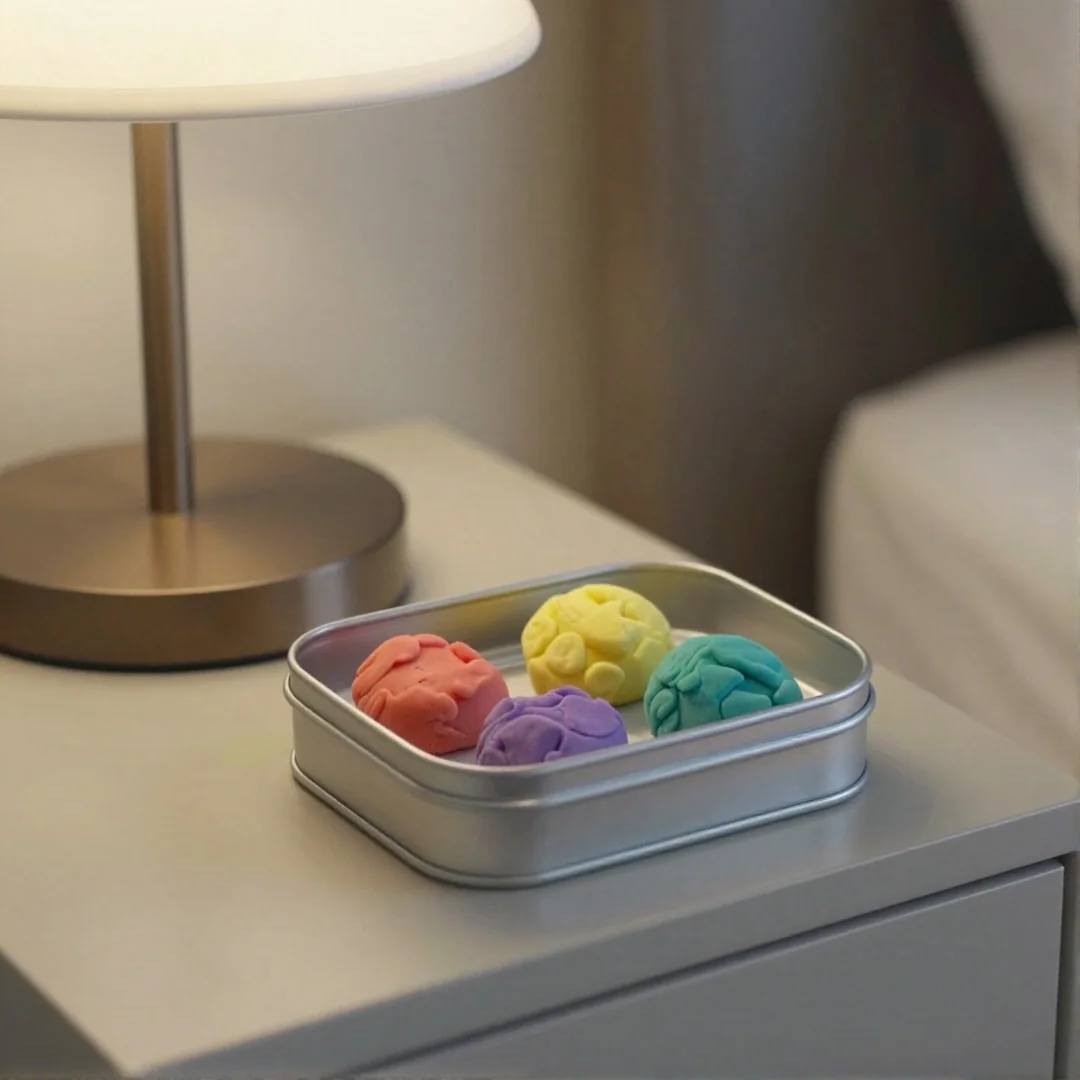
Surprising fact: a small tin holds up to 4 different colors and saves you from messy hotel carpets. For a compact travel batch, make a no-cook playdough with 1 cup all-purpose flour, 1/4 cup table salt, 2 tsp cream of tartar, 1 tbsp vegetable oil, and 1/2 cup water warmed in a microwave, then knead until smooth.
This makes soft dough that stays pliable and is great for sensory play and fine motor skills on the go.
- Pack each color in a 2 oz airtight tin or small plastic airtight container; label with sharpie.
- Place tins in a zip bag with a folded silicone mat to catch crumbs.
- Add a tiny drop of essential oil for scent, but skip for toddlers who mouth things.
To keep texture after travel, press a sheet of plastic wrap directly onto the dough before snapping the lid closed and store under luggage to avoid squashing. For airline-safe tips choose TSA-friendly tins under 3.4 oz and avoid liquid glitters or oils that can leak.
Quick Rescue Dough Fix
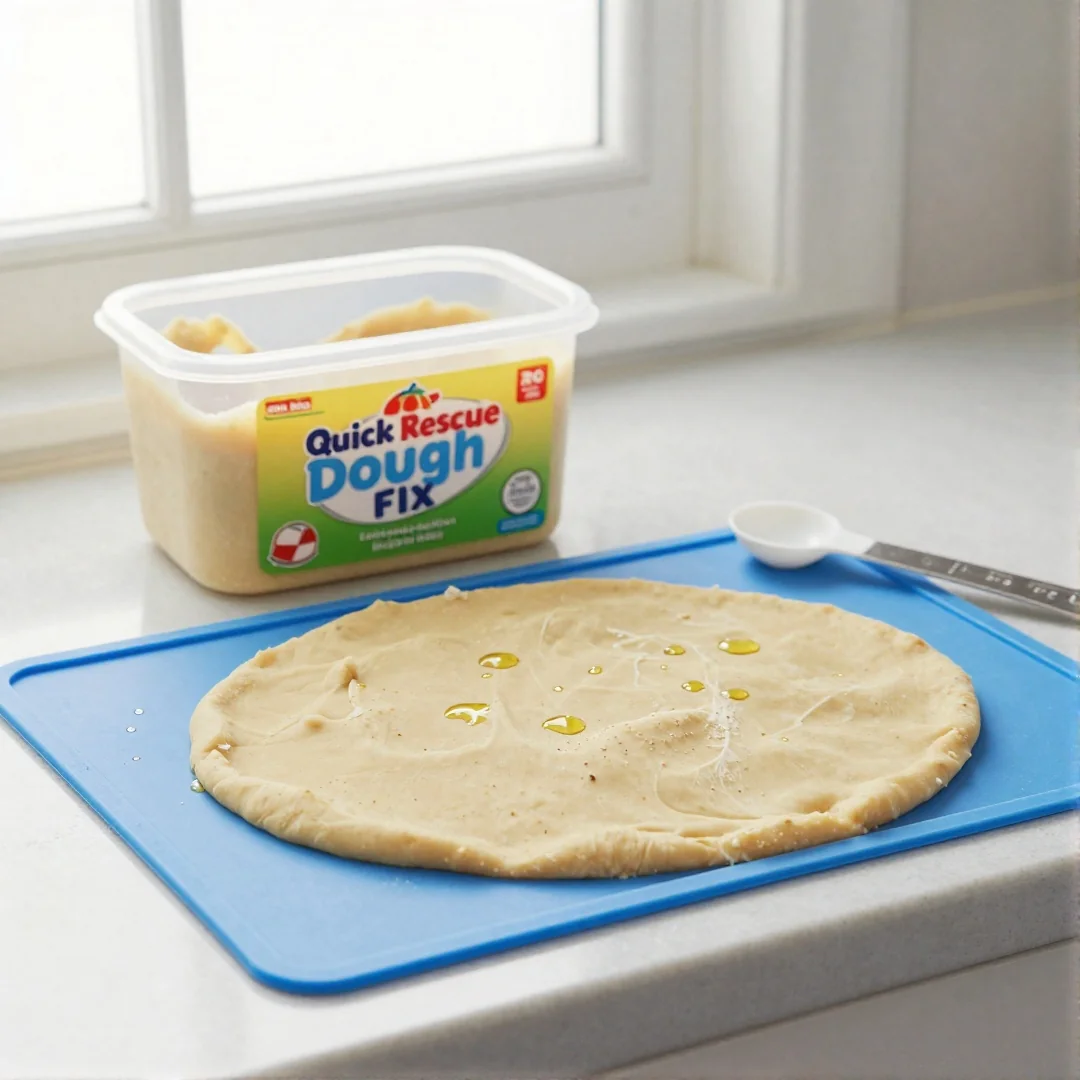
You open the tub and find crumbly, sticky, or greasy dough. Here are fast fixes that work when you want to know how to make homemade playdough feel right again.
- Crumbly or dry: knead in 1 tsp warm water at a time until soft, or add 1 tbsp vegetable oil for extra pliability. Use a silicone mat and measuring cups so you add small amounts.
- Sticky: sprinkle 1 tbsp cornstarch or a little all-purpose flour, then knead until tackiness goes away; too much will dry it out, so add slowly.
- Greasy: dust with 1 tbsp cornstarch, fold and blot with a paper towel. For oil spills, a short microwave zap of 10 seconds can firm it up, then knead.
- Revive cooked dough: pop in the microwave for 10 to 15 seconds, then knead with a drop of vegetable oil.
- When to start fresh: toss dough that smells bad, shows mold, or won’t rehydrate after three tries; safety beats saving a bad batch.
Store fixed dough in an airtight container for up to 2 weeks to keep texture and avoid stains.
Toddler-Safe Edible Playdough
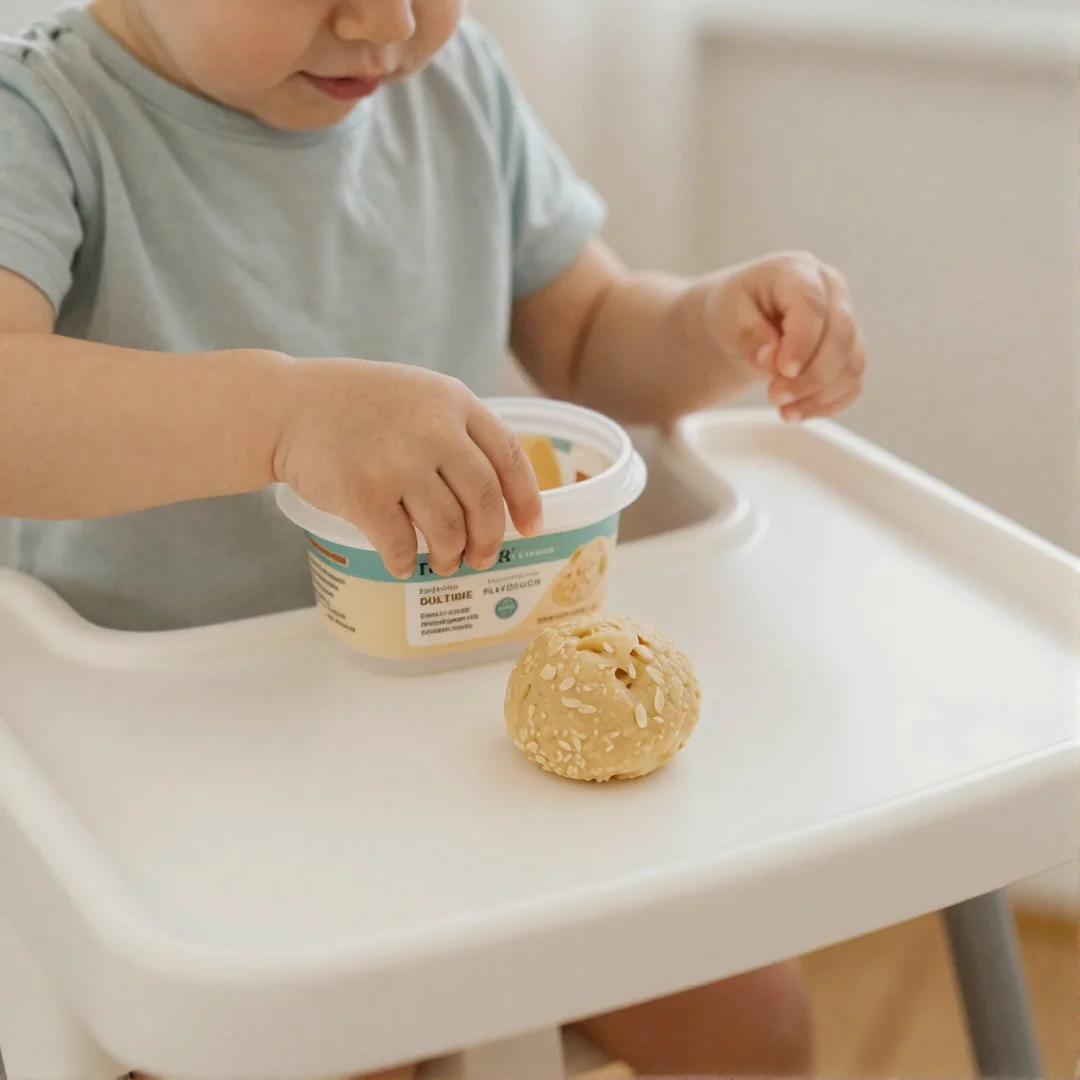
Want an edible playdough that is safe for toddlers? Use a clearly labelled, fully edible, non-toxic recipe and only offer it to children 12 months and older under close supervision.
One simple recipe: mix 1 cup cornstarch, 1/2 cup powdered milk, 1 tablespoon coconut oil and a few drops of food coloring in a mixing bowl. That makes a soft, slightly floury dough you can store in an airtight container on a silicone mat.
- Age recommendation: for supervised chewing by 12 months plus; toddlers under 3 should never play alone with small pieces.
- Supervision tips: sit within arm’s reach, limit play to 10 to 15 minutes, and remove crumbs from highchairs and carpets to avoid choking and slipping.
- Choking risks: avoid added beads, seeds, or small cutters; discard dough if it crumbles into hard pieces.
- Allergy options: swap powdered milk for oat flour for dairy-free, or use plain all-purpose flour for a traditional texture if cornstarch is a concern.
If you want instructions on how to make homemade playdough that lasts longer, try a cooked salt playdough or add cream of tartar for elasticity.
For another perspective, this detailed piece on The BEST homemade playdough recipe is worth a read.
FAQ
Is it true playdough must be complicated?
Myth: you need fancy tools. Reality: basic pantry items make great dough. If you search how to make homemade playdough, start with a measuring cup, mixing bowl and silicone mat and you’ll get reliable results fast.
What are three foolproof recipes?
No-cook playdough: Mix 1 cup all-purpose flour, 1/2 cup table salt, 2 tsp cream of tartar, 1 tbsp vegetable oil, and 1/2 cup boiling water plus food coloring; stir until cool and knead 2 minutes. Cooked long-lasting dough: In a saucepan combine 2 cups flour, 1 cup salt, 4 tbsp cream of tartar, 2 cups water, 2 tbsp oil; cook on low until it forms a ball, cool and knead. Edible option: Mix 1 cup cornstarch with 1 can (14 oz) sweetened condensed milk and 1 tbsp coconut oil; cook 3 to 5 minutes in microwave, stir every 30 seconds, then cool.
How do I make extra soft, stretchy dough?
Add 1 tsp vegetable glycerin or 1 tbsp baby oil to a soft playdough recipe and knead for 3 minutes. For stretch, reduce flour or cornstarch by 10% and try a small amount of hair conditioner in non-edible batches; that trade-off can shorten shelf life.
Which recipes are safe to eat and what ages are they for?
Edible playdough using cornstarch and condensed milk is food-safe and okay for supervised toddlers 12 months plus, but salt playdough and recipes with cream of tartar are not for eating. Always label non-edible jars and keep them separate from snacks.
How long do they last and how do I fix texture problems?
Store in an airtight container; cooked salt dough lasts about 3 months, edible dough 1 week in fridge. To fix dry dough add 1 tsp water or 1 tsp oil at a time; sticky dough gets a sprinkle of flour or cornstarch. For non-staining, use gel food coloring, test a tiny patch, and protect surfaces with a silicone mat.
You might also like: 19 Friendship Bracelets Everyone Wants to Make
Key Takeaways
I always keep three go-to doughs: a no-cook for speed, a cooked salt mix for long play, and an edible option for toddlers.
- Which to pick: Use no-cook playdough for quick sessions, a cooked salt recipe with cream of tartar for playdough that lasts, and an edible playdough for toddlers when little ones might taste it.
- Non-staining tips: Pick cornstarch bases and food-safe gel colors, test on a silicone mat first to avoid carpet stains.
- Travel-friendly: Pack 1 small airtight container per child and a tiny silicone mat to keep messes contained.
- One-page cheat sheet: Include ingredient ratios like 1 cup all-purpose flour to 1/2 cup salt, storage times, and safety icons for ages.
- Troubleshooting fixes: Rescue dry dough with 1 tsp vegetable oil, fix sticky dough with 1 tbsp flour, and refresh cooked recipes in the microwave for 10 seconds.
- Quick how-to note: If you search how to make homemade playdough, start with exact measuring cups and a mixing bowl for consistent texture.
Save this to Pinterest so you can grab the cheat sheet next time you need a fast, safe sensory activity.