20 DIY Baby Toys That Support Early Development
Introduction
A baby’s brain develops at a staggering speed, creating over 1 million new neural connections every single second during their first year. You can support this rapid growth by choosing diy baby toys that focus on simplicity rather than complex features. Many expensive store-bought items overstimulate infants, but homemade baby sensory toys encourage natural curiosity through basic textures and movements. By selecting simple, raw materials, you create tools that help your baby master fine motor skills and hand-eye coordination at their own pace.
The Montessori approach teaches us that children learn best when they explore open-ended play with objects found in their daily environment. You don’t need a massive budget to build these items. In fact, most of the twenty projects listed here cost less than $5 in craft supplies. Using safe items like felt fabric and wooden beads allows your baby to focus on the sensory experience without the distraction of batteries or flashing lights.
DIY Safety-Tested Sensory Toys
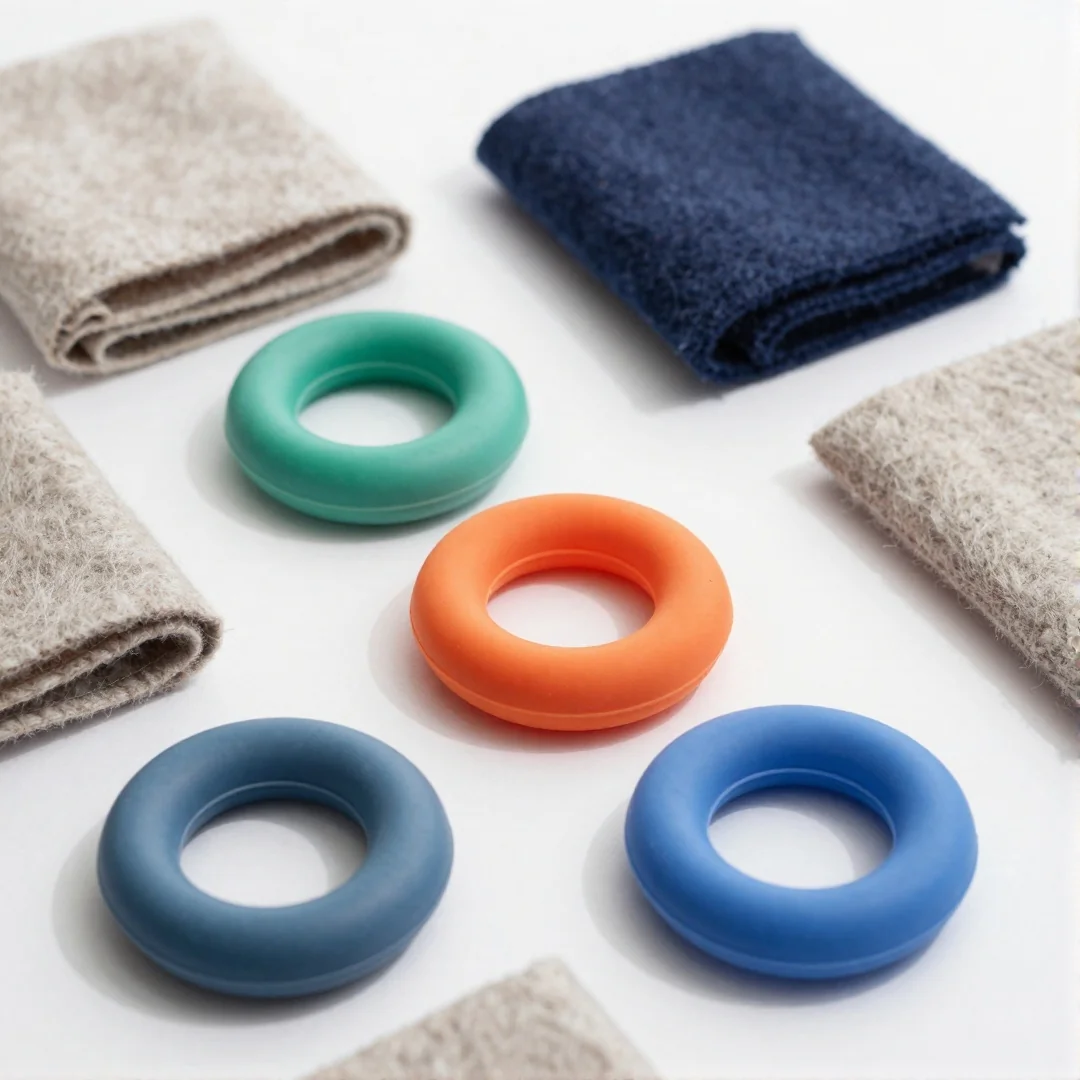
You want to build diy baby toys that are safe for tiny hands and curious mouths. The most important rule is to skip small parts like loose wooden beads or buttons that pose a choking risk. Stick to sturdy items like silicone rings or thick felt fabric that won’t fray or tear apart during play. When using fabric, sew all seams with a double stitch to keep cotton batting tucked away securely inside. If you use non-toxic adhesive, ensure it is fully cured and waterproof before letting your baby touch the toy.
For cleaning, wash soft items in a mesh laundry bag on a gentle cycle. For hard sensory bottles or plastic containers, use a solution of 1 part white vinegar to 4 parts water. This routine keeps your homemade baby sensory toys hygienic without using harsh chemicals that irritate sensitive skin.
Cardboard Box Tunnel
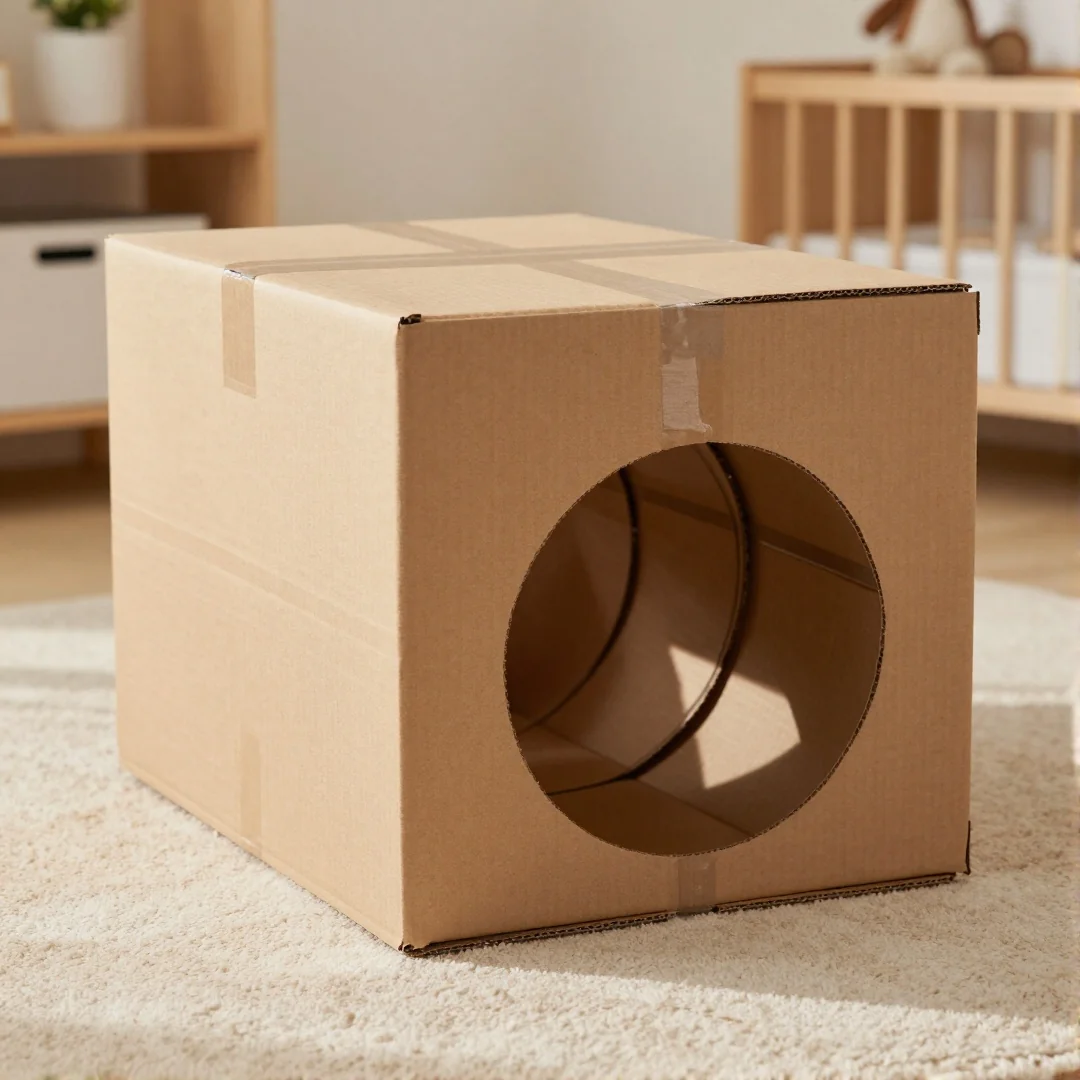
Do you have a few large shipping packages sitting in your garage? You can easily transform these recycled household items into an engaging crawling tunnel. This project is one of the most effective diy baby toys for building gross motor skills as your little one learns to navigate through the space. Simply tape three or four boxes together with the ends open to create a path at least 6 feet long. You might line the interior with soft textile scraps or felt fabric to add interesting textures for tactile exploration. Because this setup encourages movement, it serves as a foundation for physical confidence. Always inspect your structure for any sharp edges or staples before letting your infant play. These diy baby toys offer a simple way to support early development while keeping your home clutter free and eco-friendly.
Felt Texture Board
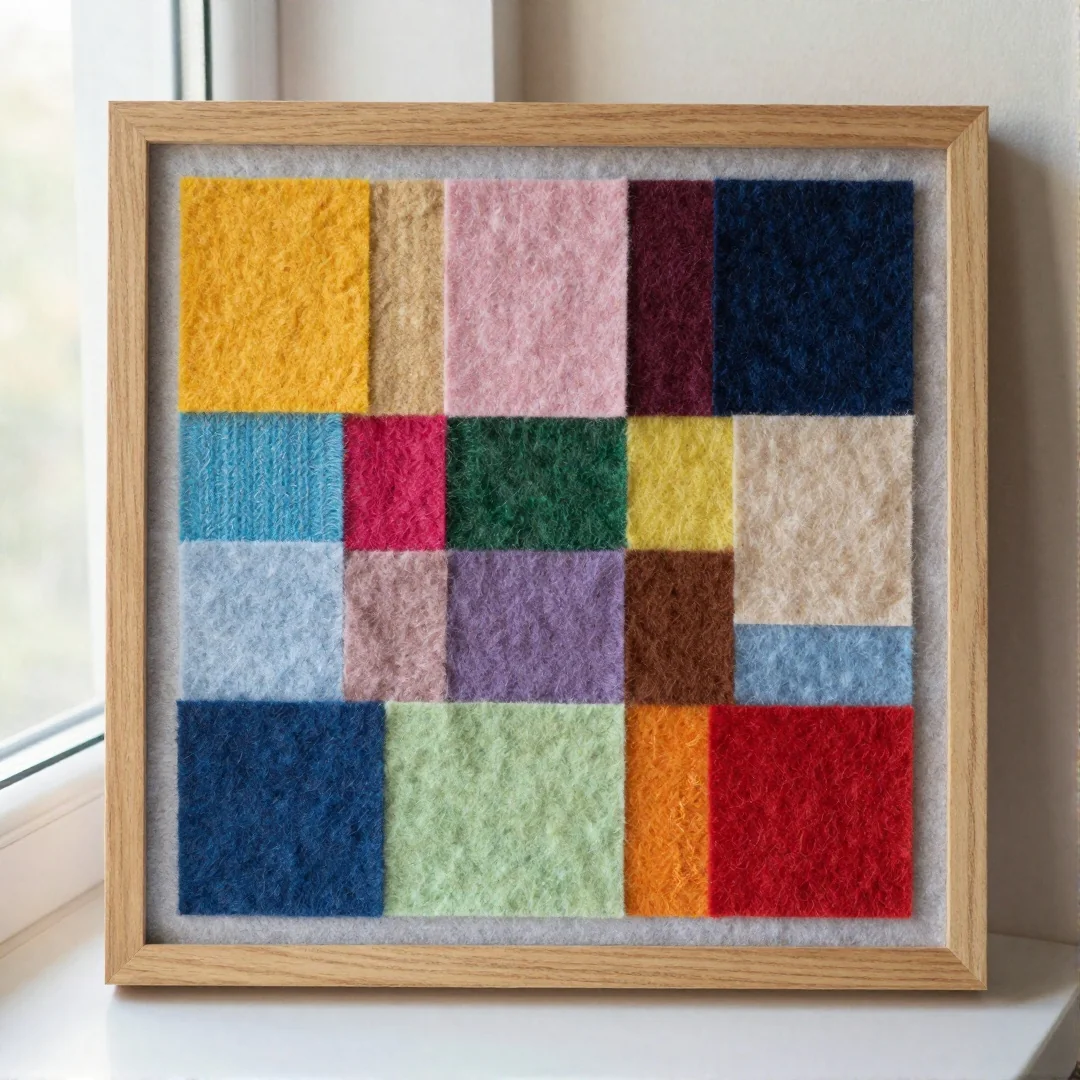
Many parents think sensory stimulation requires expensive battery operated gadgets, but simple diy baby toys often provide better engagement. A handmade felt board focuses on tactile exploration by offering varied surfaces for little fingers to discover. You can build this project using a 12 by 12 inch piece of sturdy cardboard as your base. Cover the surface with textile scraps of different weights, like wool felt, corduroy, or soft fleece, to encourage development. Secure each piece of fabric using a non-toxic adhesive and ensure every edge is tightly bonded to prevent loose fibers. This minimalist approach avoids overstimulation while helping infants practice fine motor skills as they grasp and pull at the different layers. It is an excellent example of Montessori inspired baby toys that are safe, quiet, and easy to store between play sessions.
Glitter Sensory Bottle
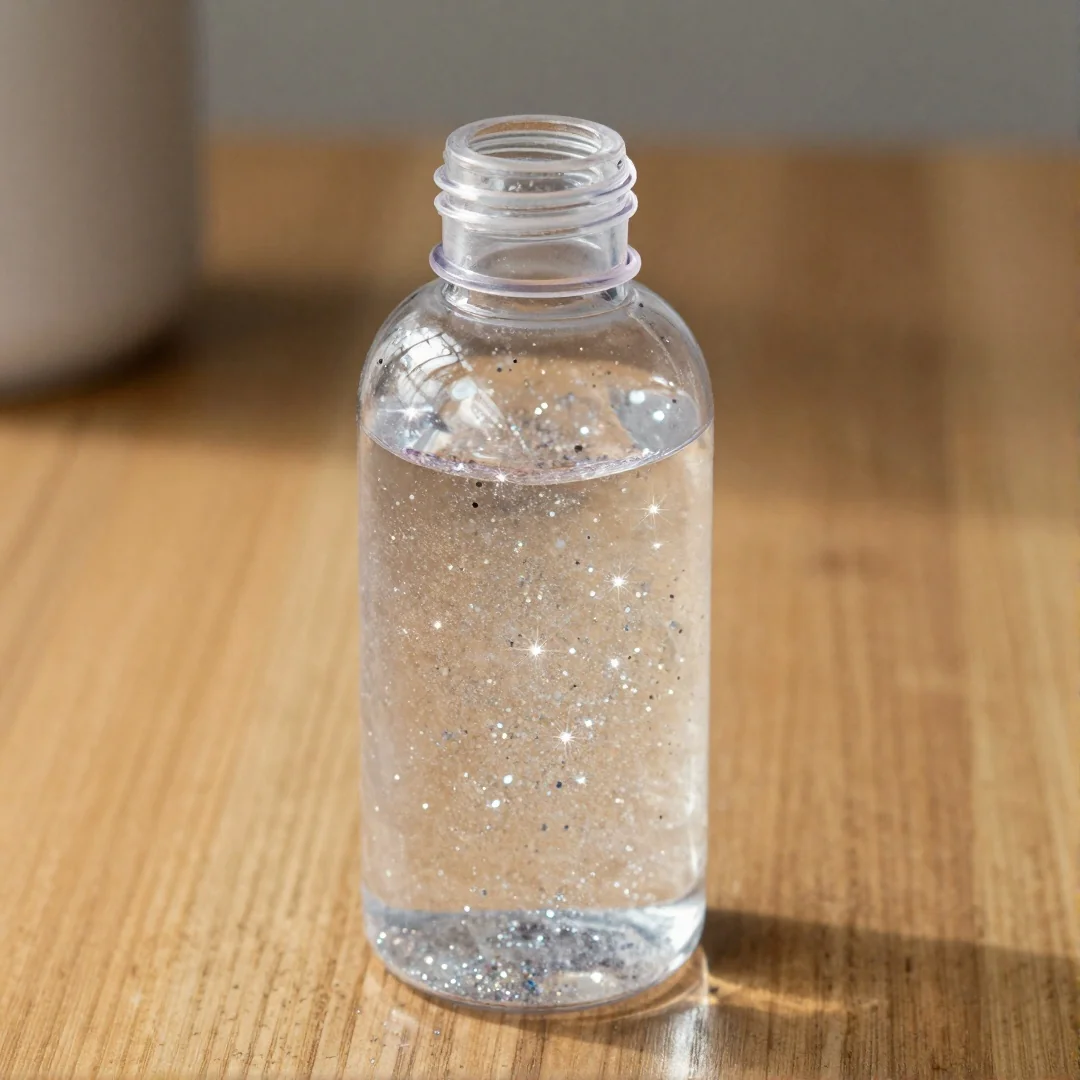
I’ve found that watching glitter float slowly through water is just as mesmerising for a tired parent as it is for a curious six month old. These diy baby toys provide excellent visual tracking practice while keeping your little one calm during fussy moments. To make one, fill a 16 ounce clear plastic bottle with water, a drop of dish soap, and a tablespoon of fine glitter.
Safety is the most important part of these homemade baby sensory toys. You must seal the cap permanently to prevent any leaks or access to the liquid. Apply a strong non-toxic adhesive like super glue or industrial strength epoxy around the bottle threads before screwing the cap on tight. Once the glue dries, wrap a piece of electrical tape around the rim for extra security. This simple project builds essential focus and keeps your baby engaged without any messy cleanups.
Ribbon Pull Box
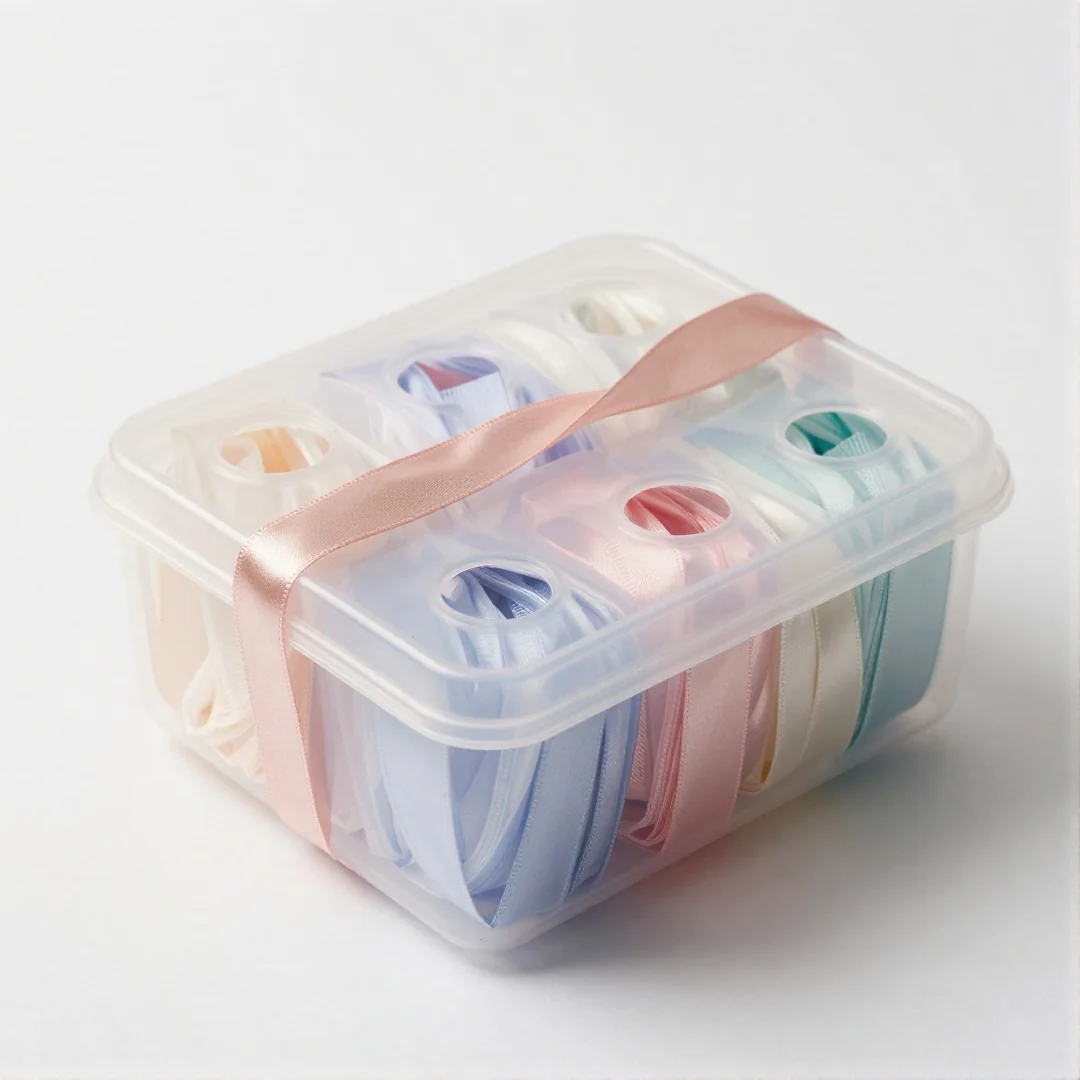
You can make this engaging toy by repurposing a clean plastic container and a few yards of satin ribbon. It is one of the most effective diy baby toys for helping your little one practice their fine motor skills and grasping techniques. Simply poke holes in the plastic lid and thread various lengths of ribbon through, tying large knots at both ends so they don’t pull all the way out. This activity encourages babies to reach, pull, and release, which builds hand-eye coordination during crucial early months. Because you are using recycled items, this project costs less than $3 to assemble. Ensure the knots are at least 2 inches wide to prevent any choking hazards. These homemade baby sensory toys provide hours of tactile exploration without the high price tag of store-bought versions.
Wooden Ring Rattle
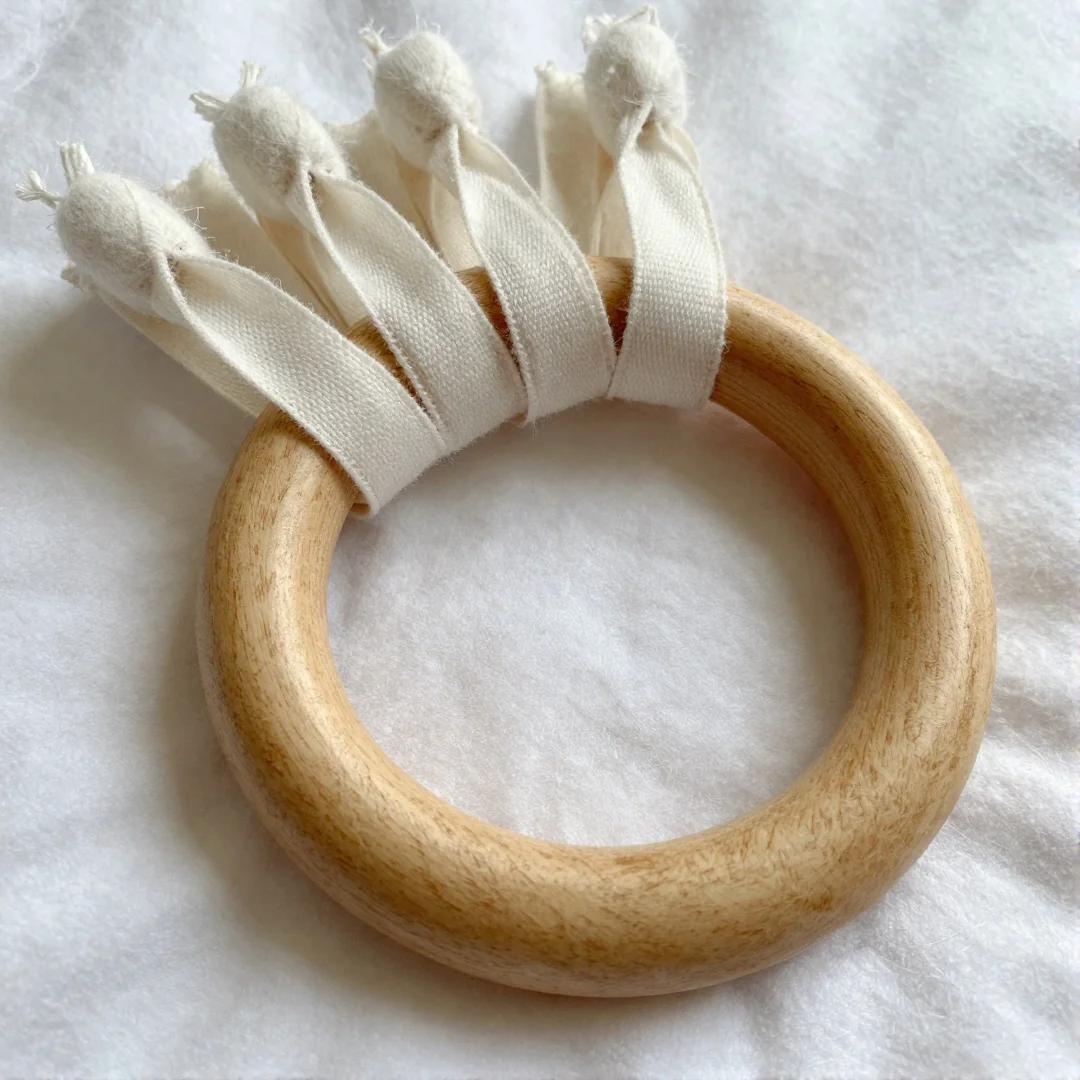
A simple wooden ring rattle is one of the best diy baby toys for building hand-eye coordination during the chilly winter months when you are stuck indoors. By attaching a 3 inch unfinished maple ring to a few soft cotton ribbons, you create a tactile experience that captures an infant’s attention. The natural wood provides a gentle clicking sound that stimulates auditory awareness without the harsh noise of plastic alternatives. Because you are crafting this yourself, you can ensure all safe materials for DIY baby toys are used. I always suggest sealing the wood with organic coconut oil rather than chemical varnishes to keep the surface non-toxic for mouthing. This project helps your baby practice their grasping reflex while exploring different textures. It remains a staple among Montessori inspired baby toys because of its minimalist design and focus on focused sensory play.
Cotton Batting Pillow
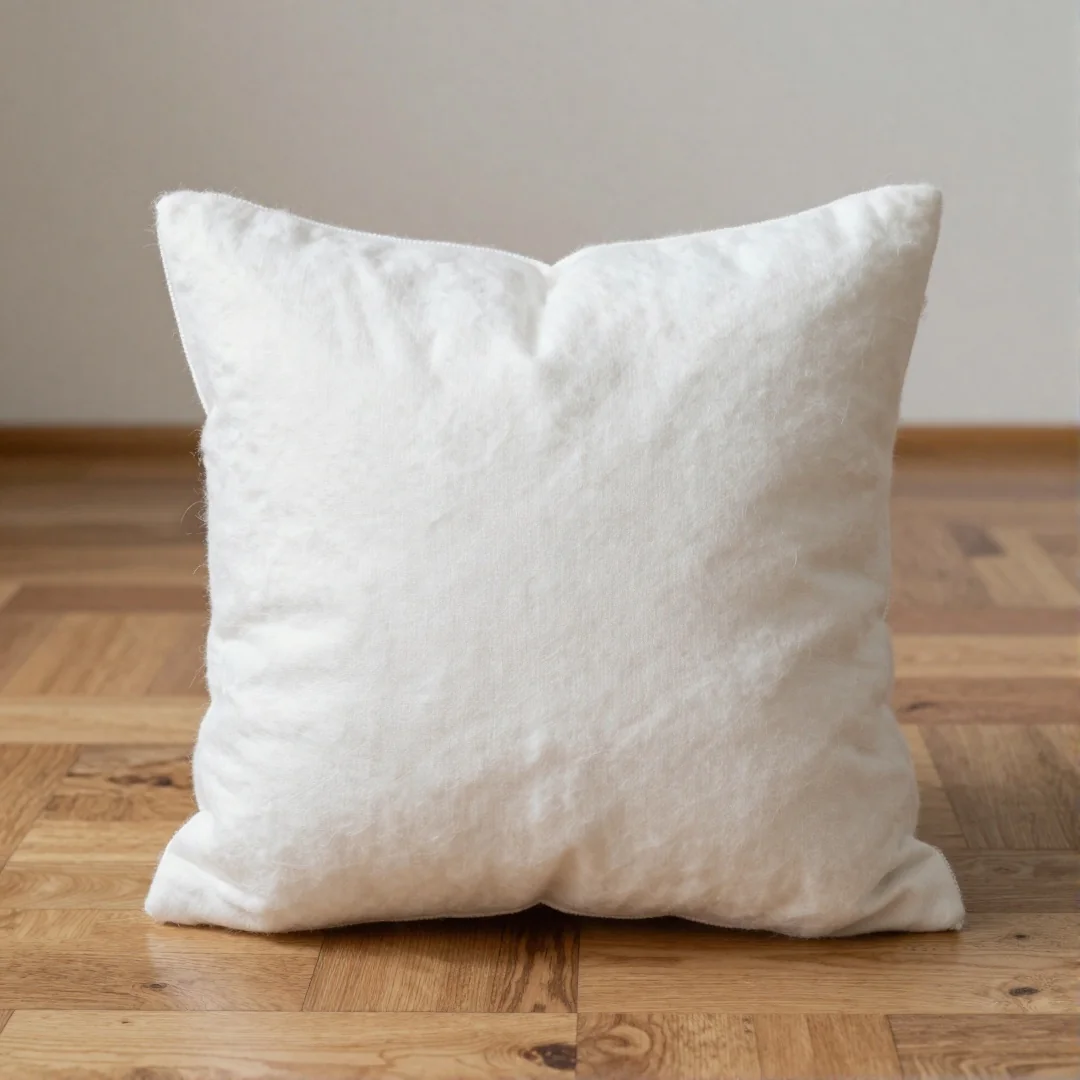
Making a simple pillow costs about $3 in supplies, whereas store-bought plush versions often retail for over $20. These soft tactile toys serve as excellent diy baby toys that encourage tactile exploration for infants just learning to reach and grasp. You only need a small amount of cotton batting and two 6-inch squares of soft fabric to build one.
For safety, use a tight double-stitch pattern around the entire perimeter to ensure the stuffing stays trapped inside. This durable stitching prevents the batting from leaking out, which protects your child from potential choking hazards. Avoid adding loose buttons or ribbons that could detach during play. Instead, mix different fabric textures on each side of the pillow to provide varied sensory input. This project is a perfect example of simple infant DIY projects that prioritize both safety and early motor skill development.
Fabric Scrap Ball
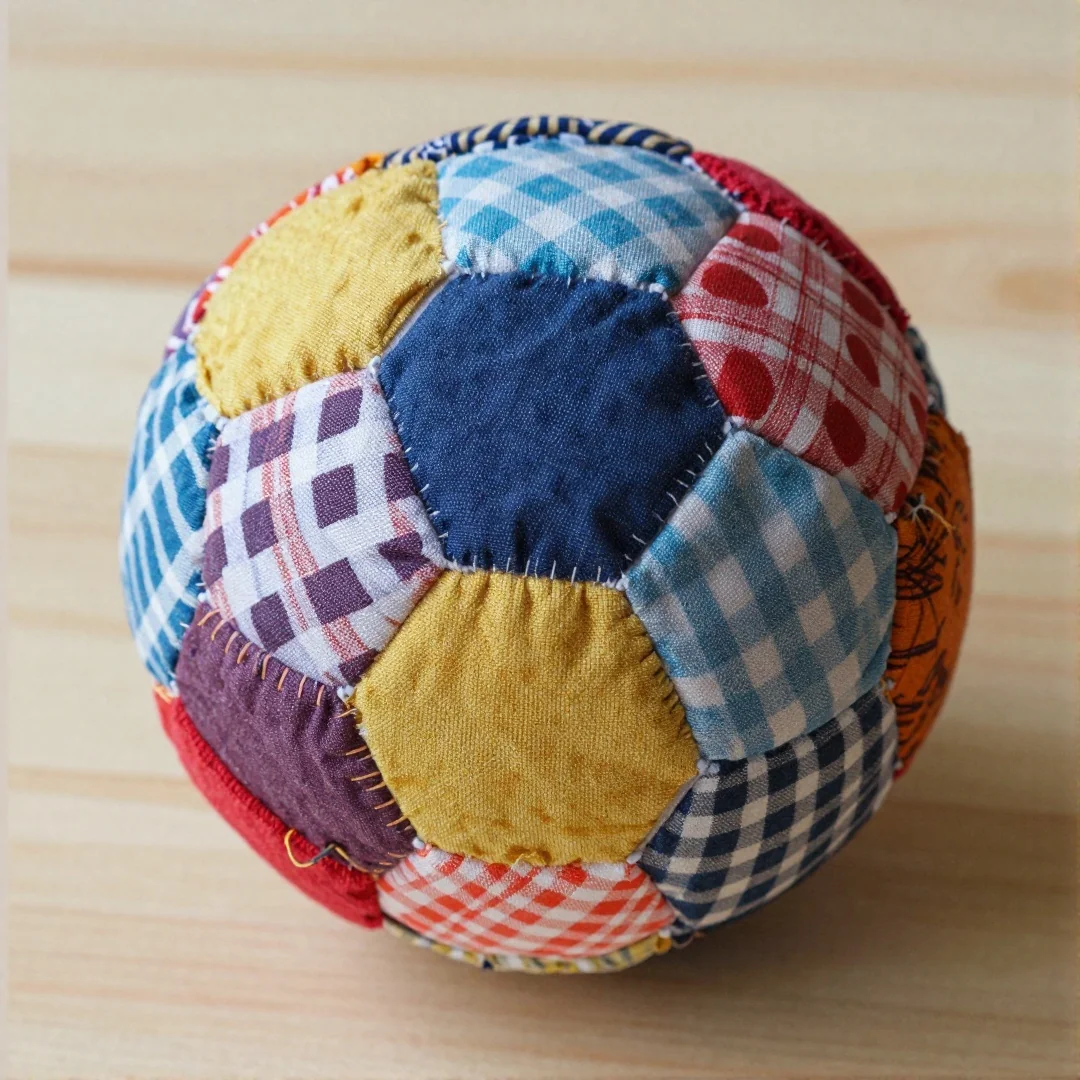
A single fabric scrap ball can keep a curious infant engaged for over 20 minutes of active play. These easy DIY toys for infants are perfect for building strength because the lightweight design encourages reaching and rolling movements during tummy time. To make one, gather about 15 small pieces of soft cotton or felt fabric. Stuff these inside a larger square of fabric and tie the ends tightly with a ribbon or a strip of jersey knit. This creates a textured surface that is soft to the touch and easy for little hands to grip. Since this is one of the most effective diy baby toys for tactile exploration, ensure you use natural, non-toxic materials. Always double check that your knots are secure to prevent any loose fabric from becoming a choking hazard. It is a simple way to practice hand-eye coordination at home.
Cardboard Shape Sorter
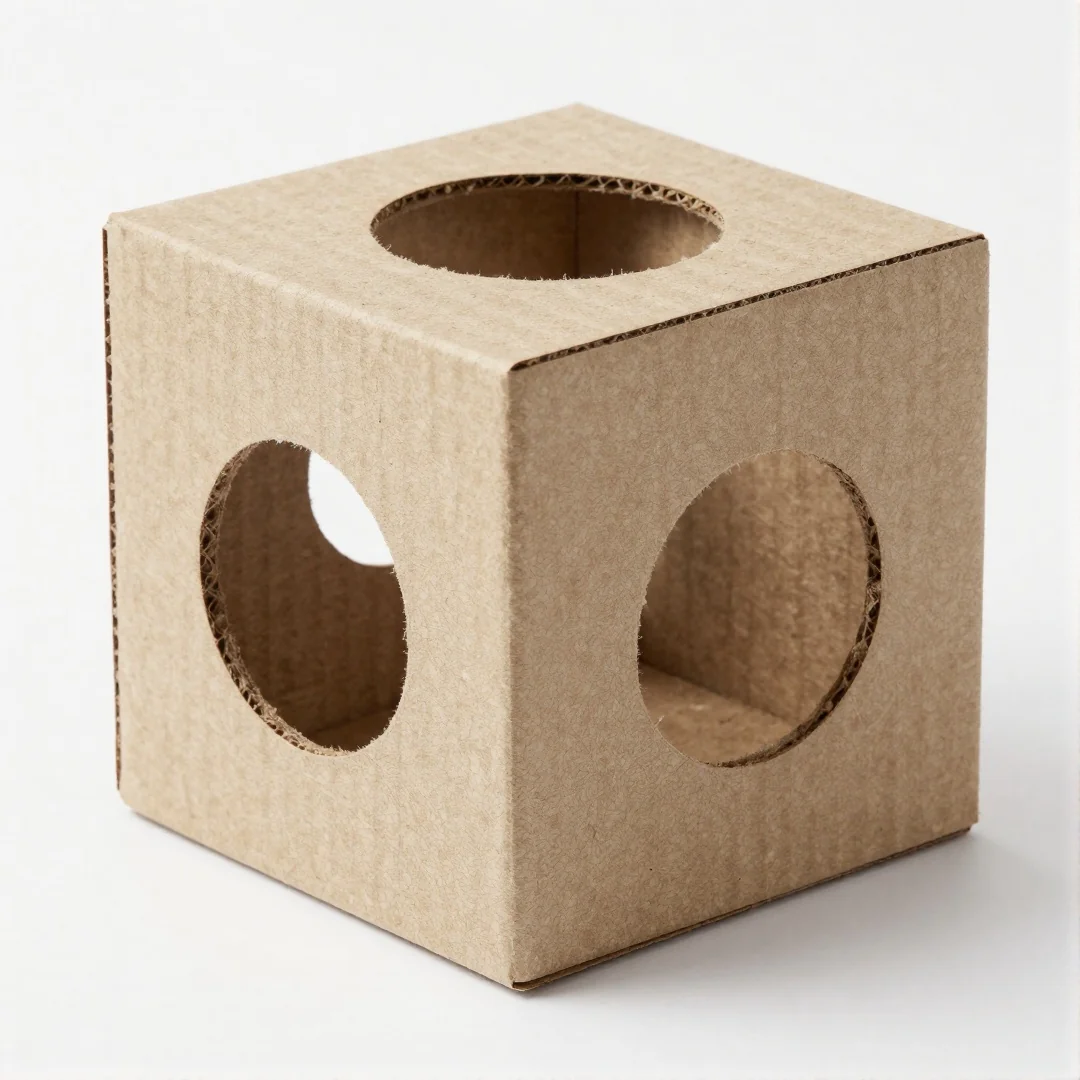
You likely have empty shipping boxes cluttering your garage, but these make perfect diy baby toys for building logic. This activity sharpens cognitive development through problem solving as your baby learns to match shapes to openings. To start, take a small 6-inch cardboard cube and cut three distinct holes in the top. I prefer using a circle, a square, and a triangle to introduce basic geometry.
For a 6-month-old, keep the difficulty low by using soft items like felt fabric scraps or small balls that are easy to push through. If the object gets stuck, wait a few seconds before helping to let your baby figure it out. This encourages persistence and hand-eye coordination without frustration. Always use non-toxic adhesive and ensure the holes are large enough that the baby doesn’t get their hand stuck inside the box while playing.
DIY Silicone Bead Teether
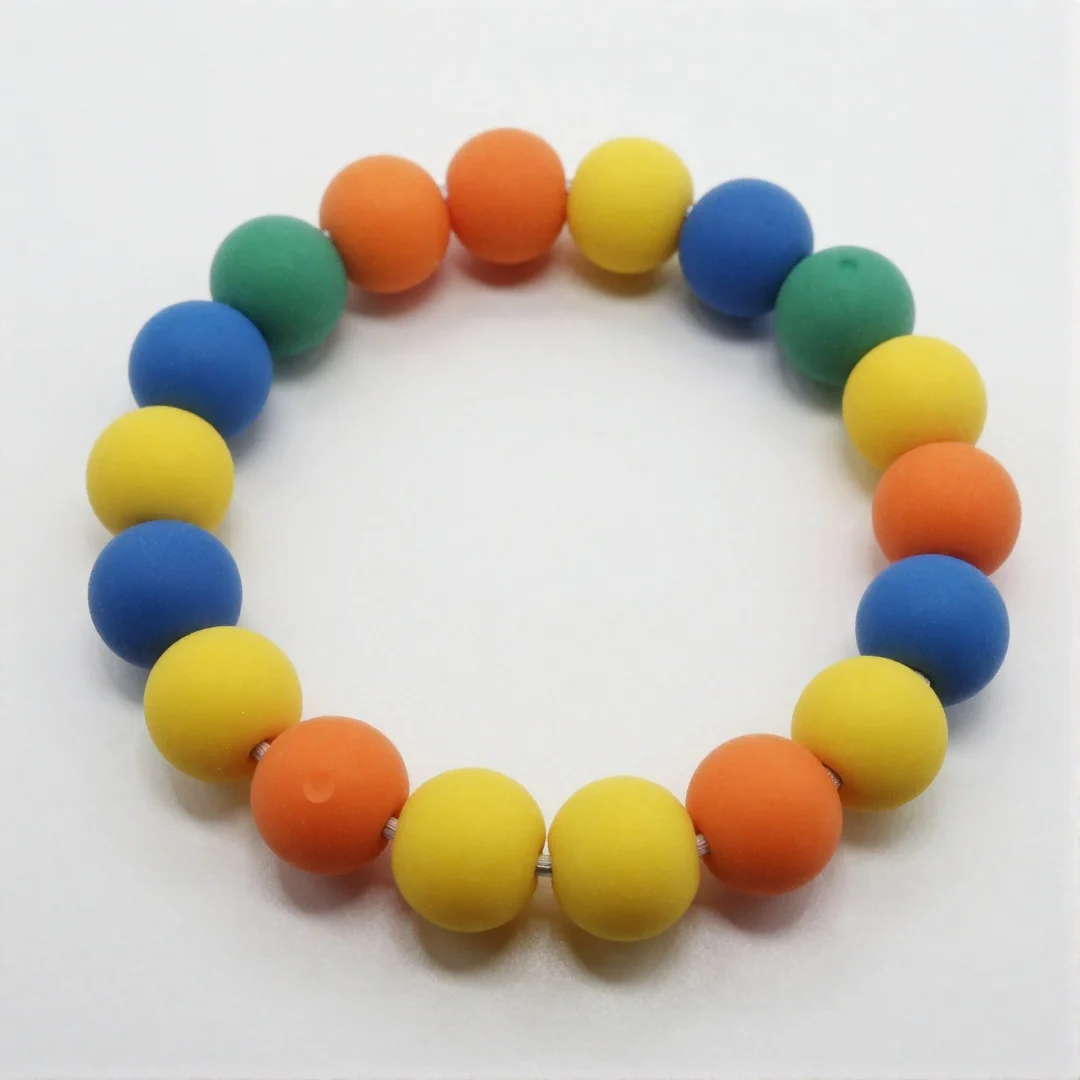
Do you want a simple way to soothe sore gums while encouraging fine motor skills? Making a teether using food grade silicone is one of the safest projects among all diy baby toys because these materials are free from BPA and harsh chemicals. You will need a 12 inch piece of thick nylon cord, six soft beads, and a 2 inch wooden ring to complete the project.
Always double knot your cord tightly to prevent the beads from coming loose, as small parts pose a choking hazard. When it comes to hygiene, cleaning guidelines are straightforward. Simply wash the silicone components in warm soapy water and let them air dry completely before giving them to your baby. Avoid boiling the wooden parts, as moisture can cause the wood to splinter over time. This teether provides excellent tactile exploration for infants just starting to grasp objects.
Beaded Wooden Teether
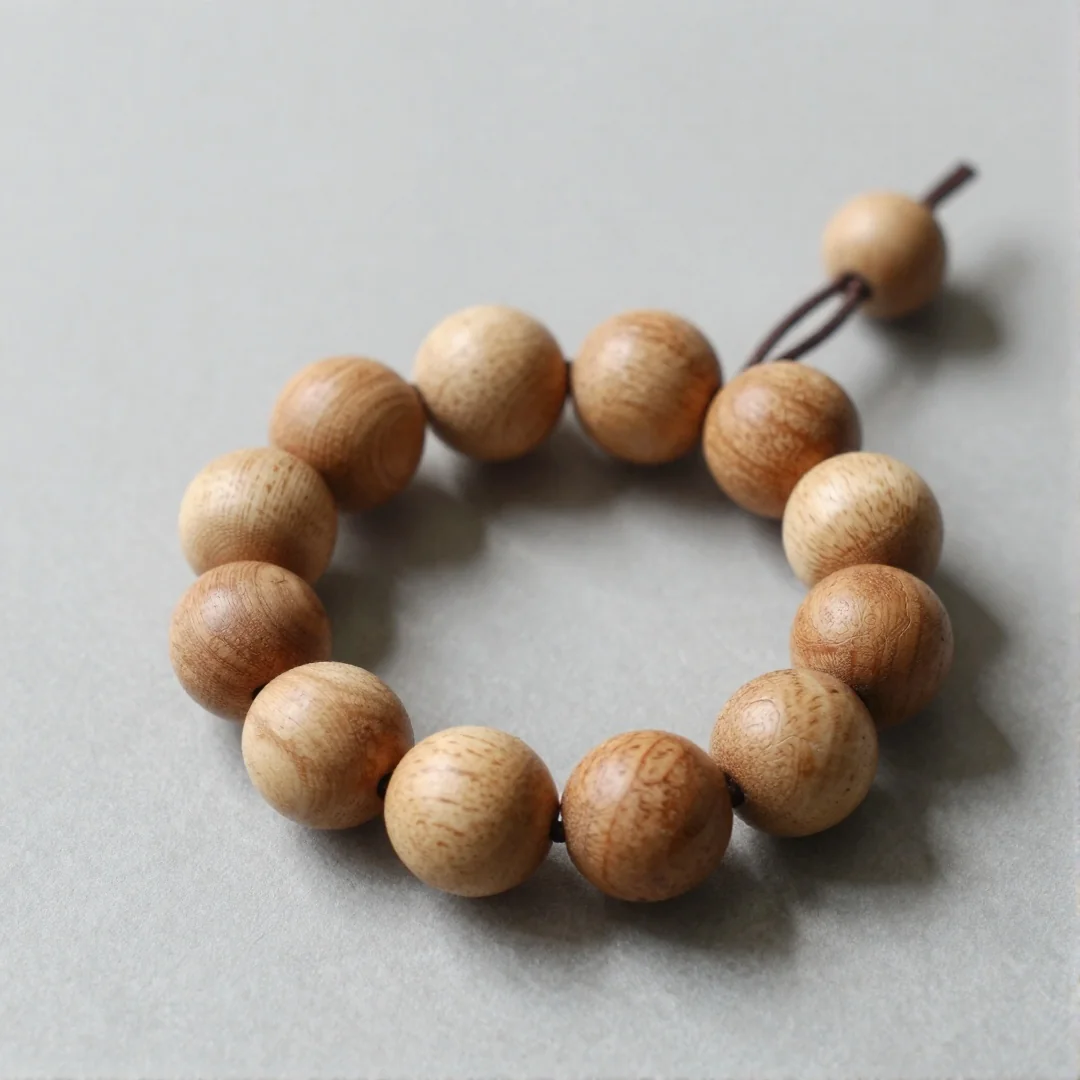
Many believe store bought teethers are superior, but Montessori inspired baby toys offer a simple and cleaner alternative for your little one. These handmade items focus on natural textures that support fine motor skills without the distraction of bright lights or electronic noise. To build this project, you need untreated wooden beads and a strong nylon cord. String the beads and finish the loop by tying a triple knot to ensure they stay secure. This meets child safety standards by preventing small parts from detaching and becoming a choking hazard. You can expect to spend around $5 on materials for a single piece. Using diy baby toys like this encourages tactile exploration and helps soothe gums during teething. Always check the knots before every use to ensure they remain firm and tight for your baby.
Texture Fabric Book
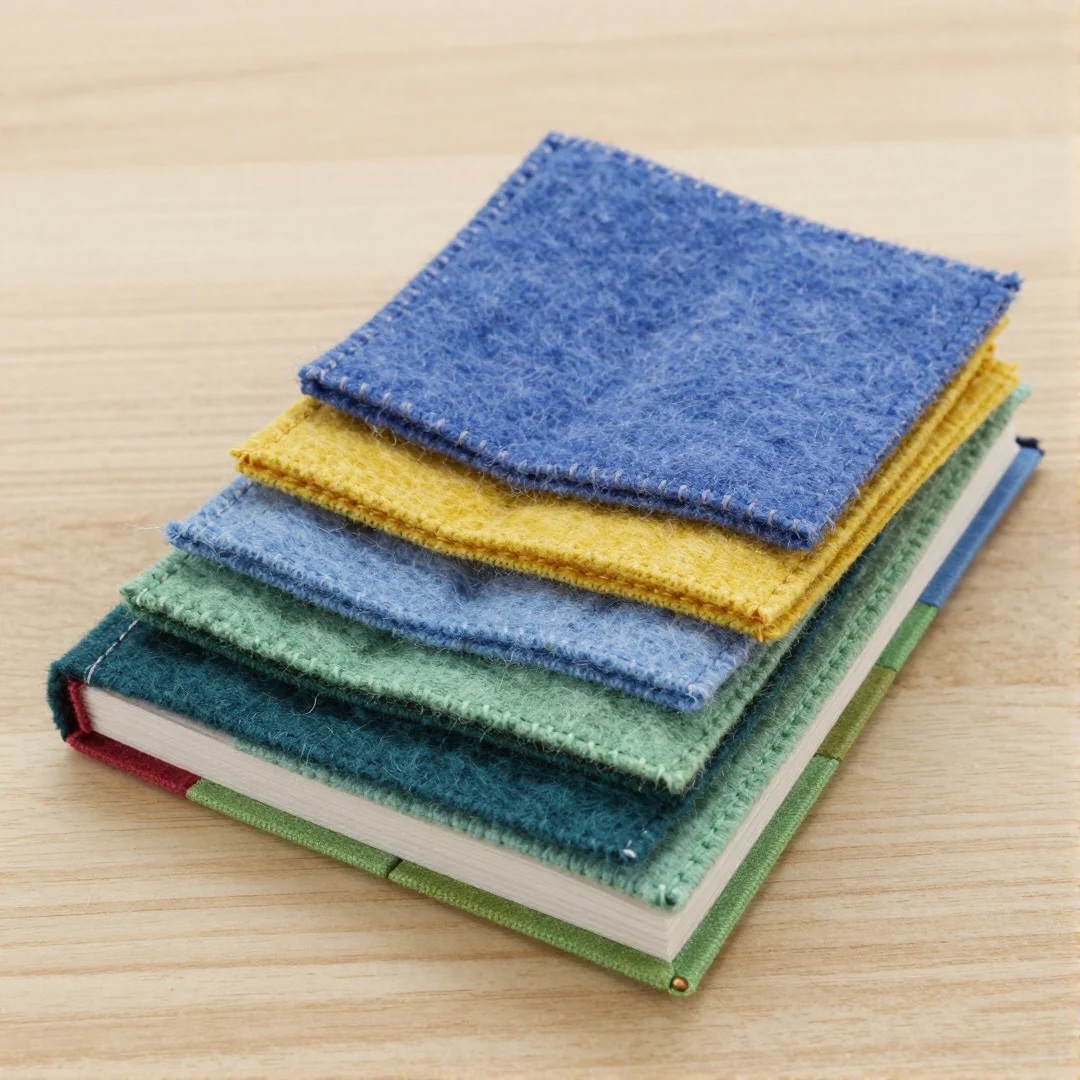
I have found that babies engage most deeply when they can touch different surfaces while hearing new words. Creating a sensory fabric book is one of the most effective diy baby toys for supporting tactile exploration and early language skills. You only need 6-inch squares of felt fabric and various ribbon scraps to build a simple, durable toy.
To boost bilingual learning opportunities, label each page in two languages using non-toxic fabric markers. This allows you to speak both languages while your baby touches the rough, smooth, or fuzzy textures on every page. Stuff the pages with a thin layer of cotton batting to give them a soft, pillow-like feel that is gentle for small hands. Always double-stitch your ribbons and fabric edges to ensure they stay secure during play, preventing any loose threads that might pose a choking hazard.
Plastic Container Drum
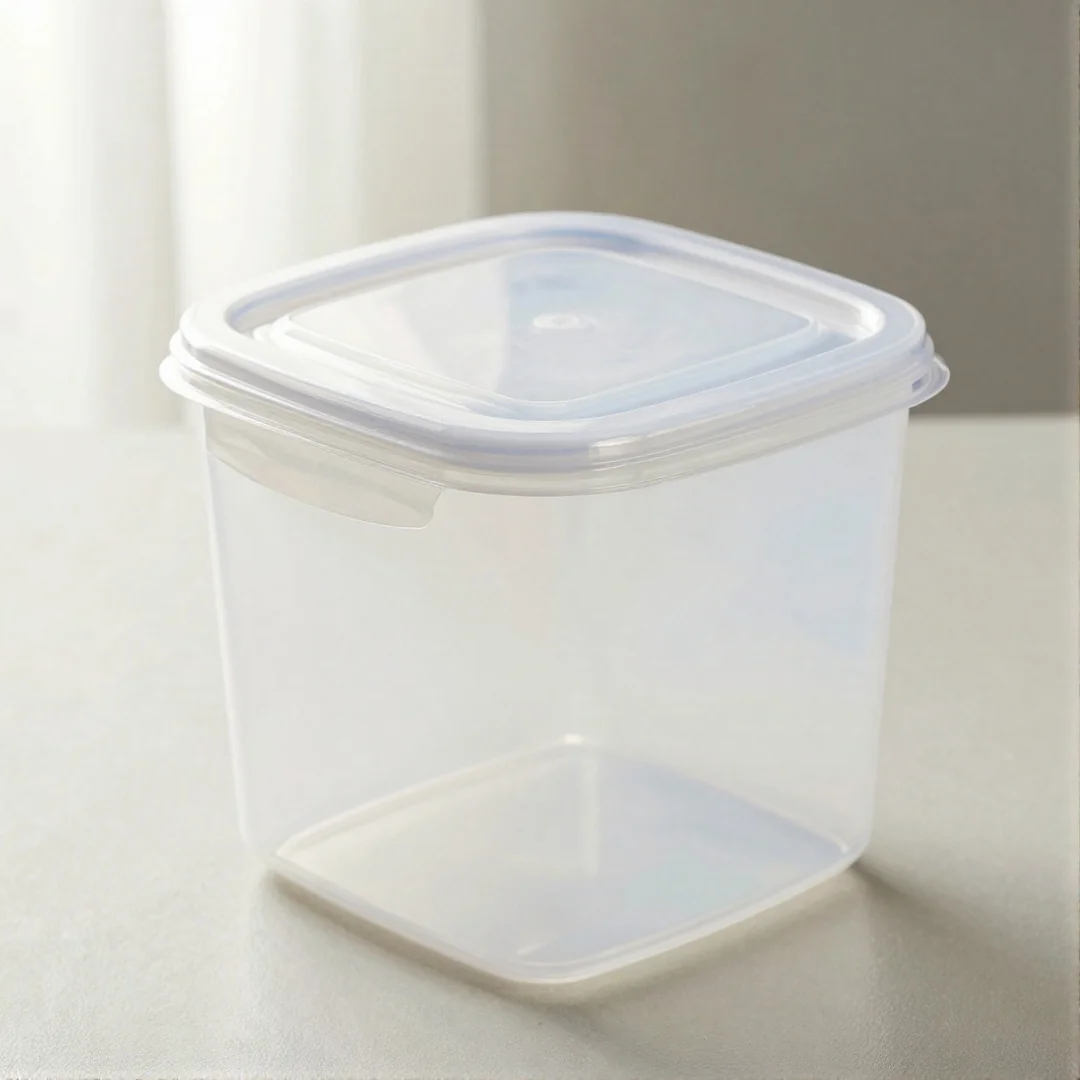
You can create this cheap homemade baby entertainment by using a clean, empty yogurt tub or a 32-ounce food storage container. It serves as an excellent drum that encourages auditory discovery and rhythmic play while teaching your little one about cause and effect. Simply seal the lid tightly with non-toxic adhesive to ensure it remains a safe item for your infant. If you want to dampen the sound slightly, line the inside with a small piece of felt fabric before closing it.
As one of the most effective diy baby toys, this drum helps build hand-eye coordination when your baby taps on the lid with their palms or a wooden spoon. Always inspect the container for any sharp edges before handing it over. I suggest wiping the surface with a damp cloth after each session to keep it clean for daily use.
Cardboard Mirror Frame
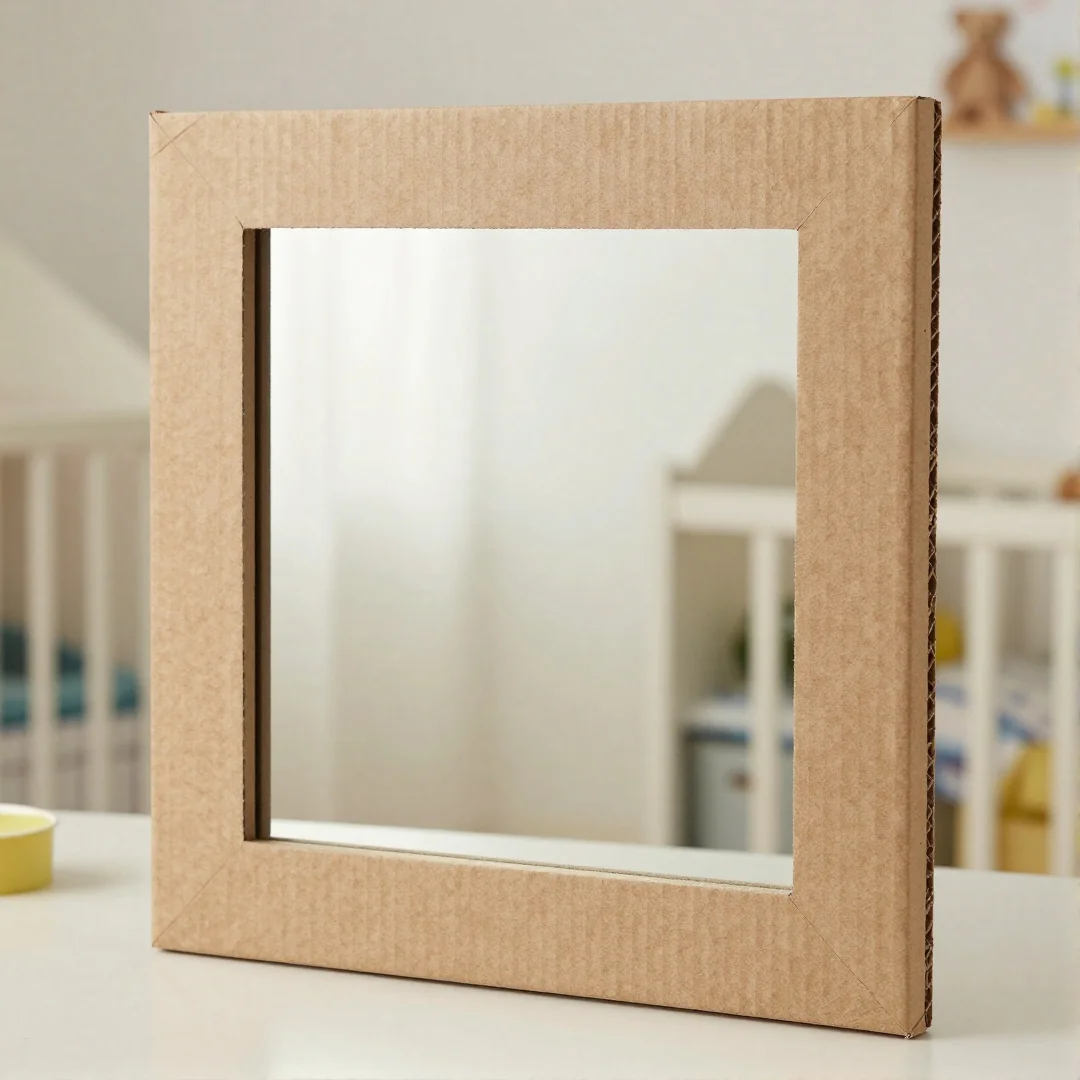
Winter afternoons spent indoors are perfect for creating diy baby toys that encourage visual development and self-recognition. A simple cardboard mirror frame helps your baby explore their own reflection, which is a key step in early cognitive growth. You can start by cutting a 10-inch square out of a sturdy shipping box. Secure a piece of shatterproof acrylic mirror to the center using a strong, non-toxic adhesive. To add extra sensory stimulation, glue scraps of felt fabric or ribbon around the edges to provide interesting textures for tiny fingers. These easy diy toys for infants turn recycled household items into a valuable tool for learning. Always ensure the edges are smooth and the mirror is firmly attached to prevent any choking hazards. Placing this at eye level during tummy time promotes focus and keeps your little one engaged for longer periods.
Ribbon Wand Toy
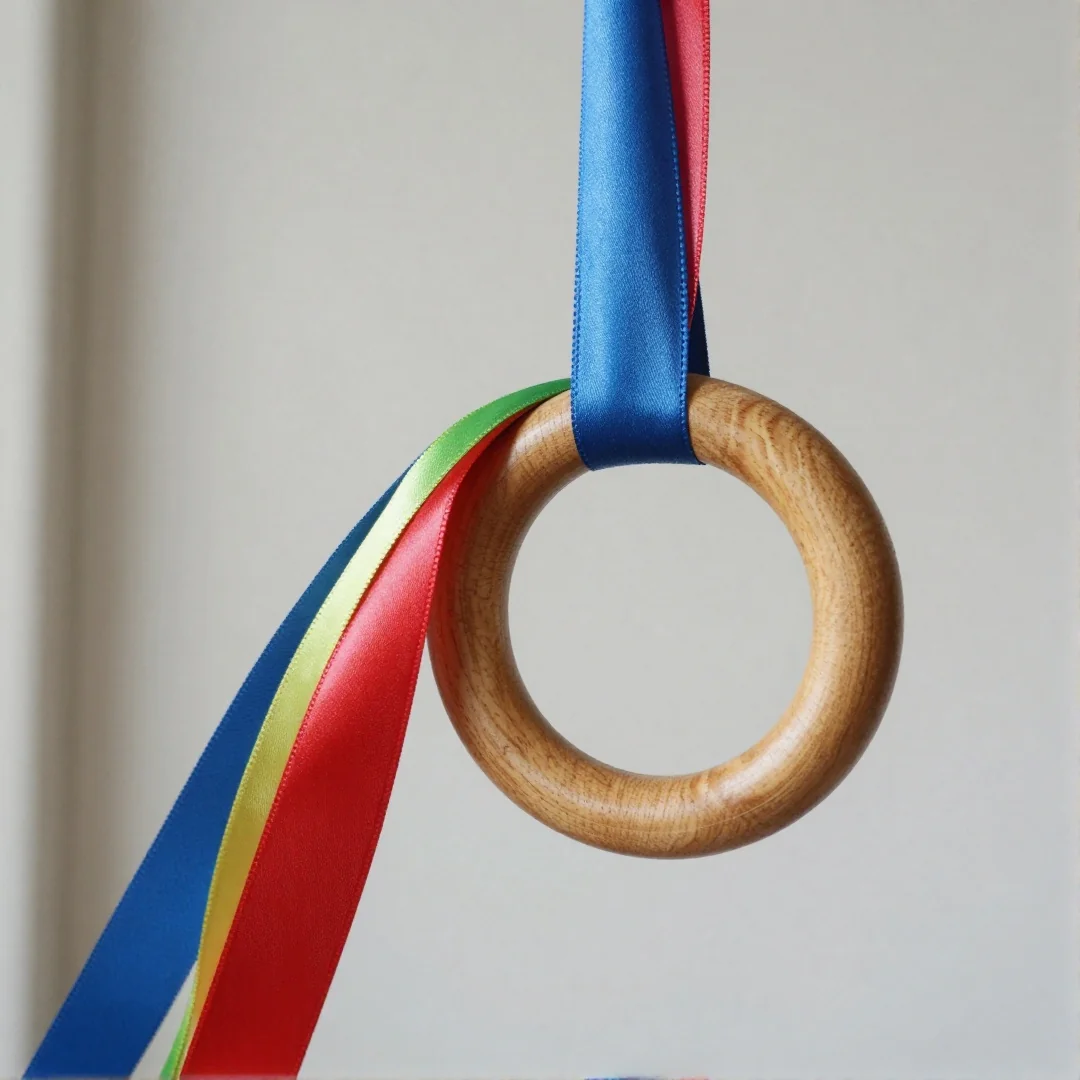
Making a ribbon wand costs under $5, while store versions often retail for double that price. Among diy baby toys, this simple tool is excellent for promoting visual tracking and encouraging your infant to reach for movement. Securely attach three to four colorful ribbons to a smooth wooden ring or a silicone ring using a double knot.
You must keep the ribbons at a maximum length of 7 inches to ensure they never pose an entanglement risk during play. This length provides enough movement for sensory stimulation without the danger of wrapping around tiny fingers or necks. Always pull on the ribbons firmly before handing the toy to your child to verify the knots are tight. This Montessori inspired project invites your baby to follow the flowing fabric with their eyes, which helps build essential hand-eye coordination during floor time.
Felt Shape Matching
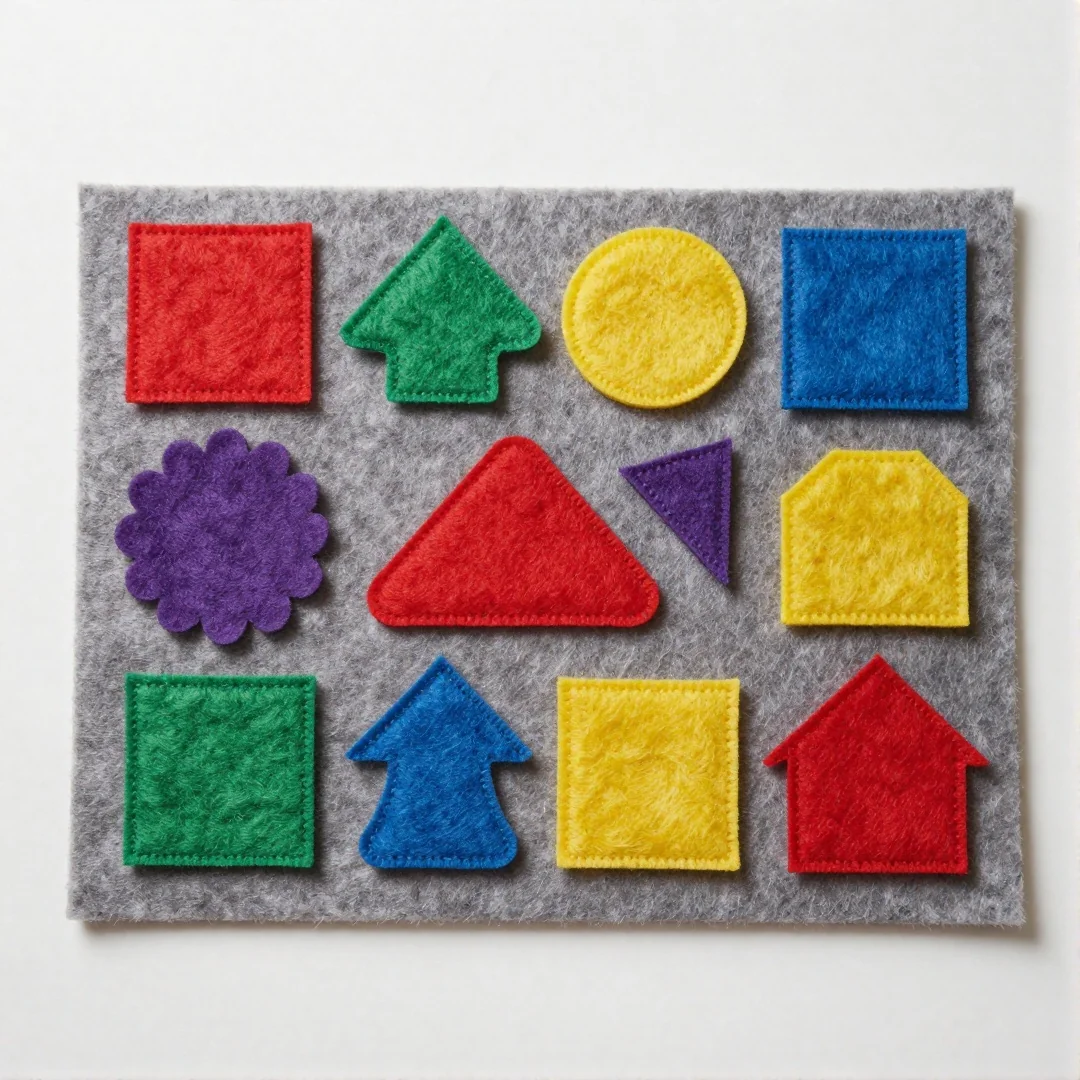
Babies develop 80 percent of their brain capacity within the first three years, making tactile exploration a vital part of early learning. Creating felt shape matching sets is one of the most effective diy developmental toys for babies because it encourages hand-eye coordination and color recognition. You only need a 9×12 inch sheet of felt in different colors to build this simple game. Cut out basic circles, squares, and triangles, then have your baby place them onto a matching felt base. Using Montessori inspired baby toys like these helps infants practice grasping and spatial awareness without the distraction of batteries or loud noises. Since these are soft and flat, they are safer than hard plastic alternatives. Always check that the edges are smooth and avoid using small decorative buttons that could pose a choking risk to your little one during play.
Soft Fabric Cube
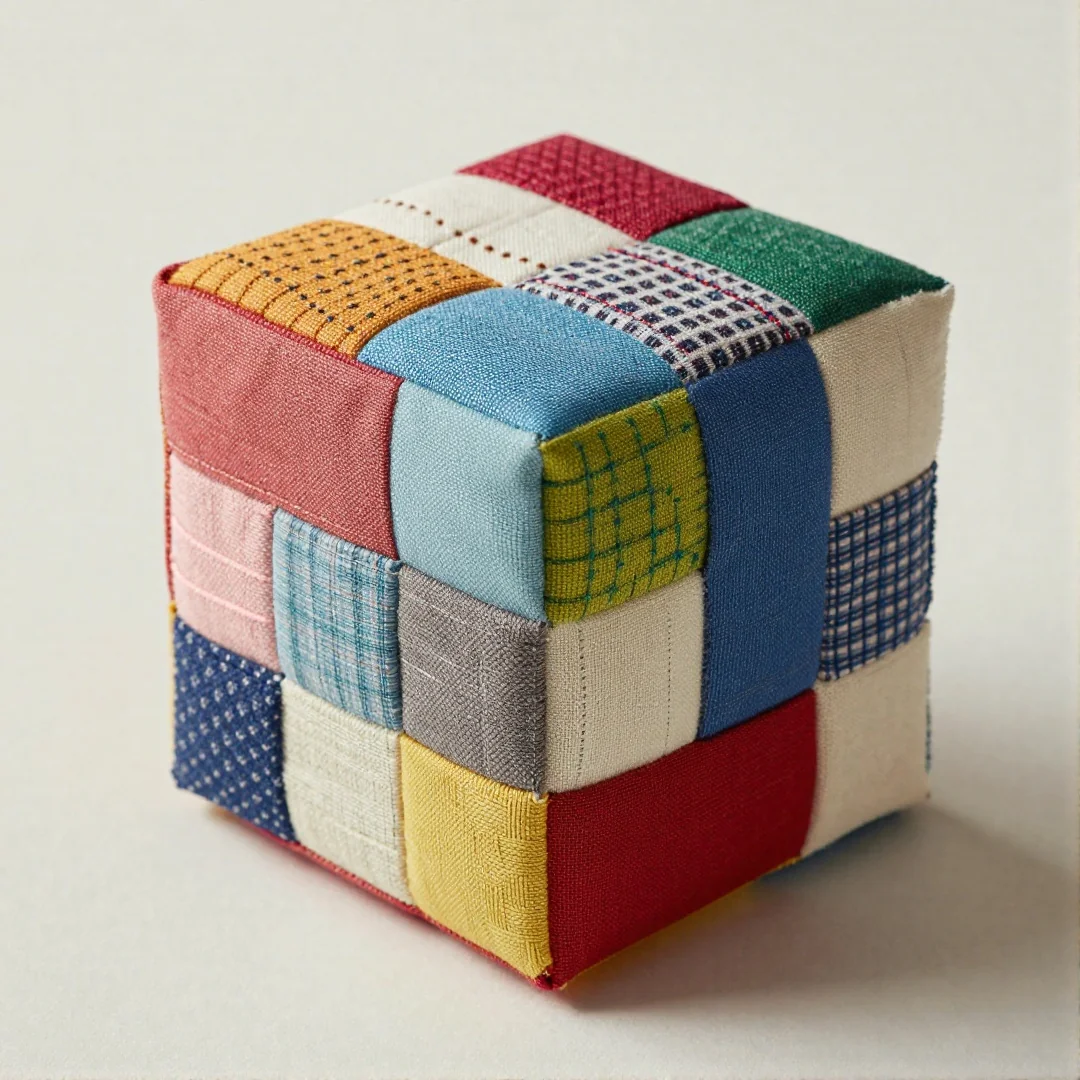
You probably have a basket of textile scraps sitting in your sewing room waiting for a purpose. A soft fabric cube is one of the most rewarding diy baby toys because it creates a perfect surface for tactile exploration. As your baby reaches for the cube, they practice essential grasp development and coordination. To give the toy its shape, stuff the center with about 5 ounces of cotton batting. This keeps the cube firm enough to hold its form but soft enough for gentle play. You can sew different textures like felt fabric or silk ribbon onto each side to provide varied sensory input. This project is a classic example of homemade baby sensory toys that encourage curious infants to touch, turn, and squeeze their surroundings. Always double check that every seam is reinforced so no batting escapes during playtime.
Cardboard Puzzle Board
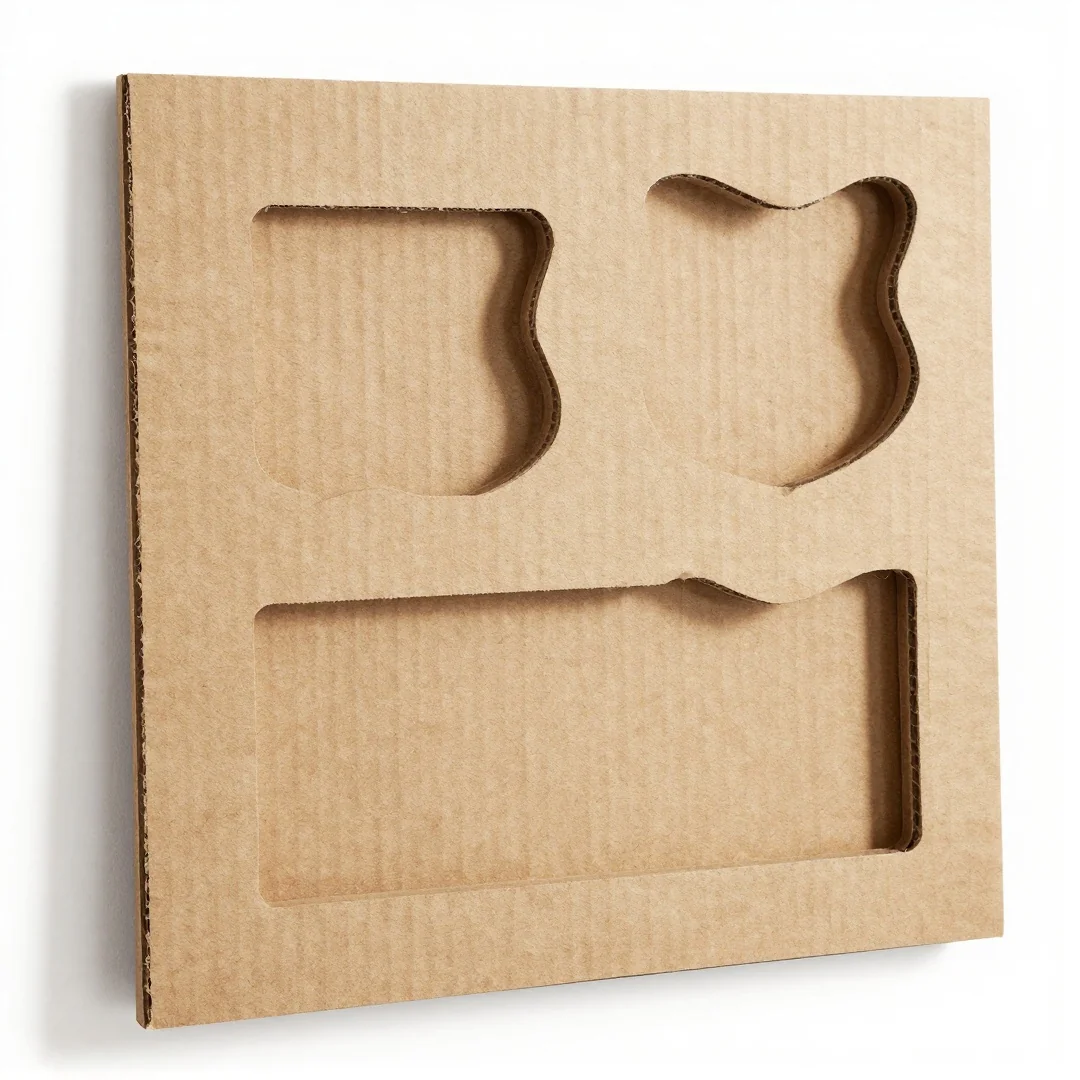
Do you want a simple way to boost your infant’s problem solving skills? A **cardboard puzzle board** is one of the most effective **diy baby toys** for encouraging **open-ended play for cognitive growth**. By cutting three distinct shapes into a sturdy piece of recycled cardboard, you help your child practice spatial awareness and hand-eye coordination.
The **minimalist design for focus** ensures that your baby isn’t overwhelmed by bright lights or loud noises. I find that using a piece of cardboard exactly 12 by 12 inches works best for tiny hands. You can trace simple shapes like a circle, square, and triangle onto the surface, then cut them out. Ensure all edges are smooth and secure any loose cardboard fibers with non-toxic adhesive to meet child safety standards. This project turns basic household items into a valuable tool for early developmental milestones.
Sensory Bag Pouch
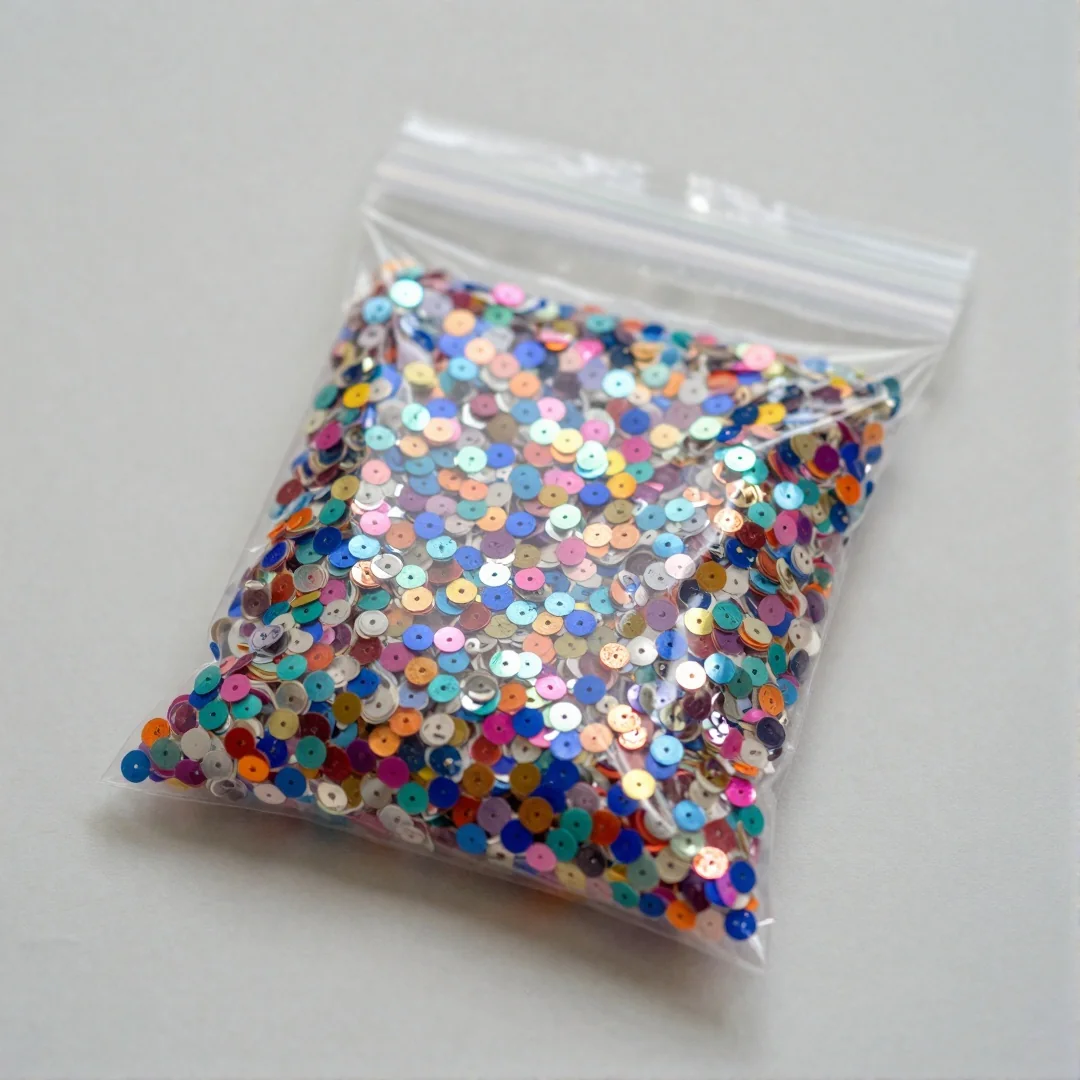
Many parents assume store-bought gadgets are the only way to spark curiosity, but simple diy baby toys often provide better tactile exploration for developing minds. A sensory bag pouch offers your infant a mess-free way to explore colors and movement while they practice fine motor skills. To create one, fill a heavy-duty freezer bag with two tablespoons of hair gel and some glitter or plastic beads. Seal the top edge with a strong non-toxic adhesive like clear duct tape to prevent any leaks during play. This project is perfect for diy baby activities at home because it keeps curious hands busy without making a mess on your floor. Always supervise your child closely during sensory play for infants. If the bag shows any signs of wear or punctures, replace it immediately to maintain high safety standards for your baby.
Hanging Mobile Frame
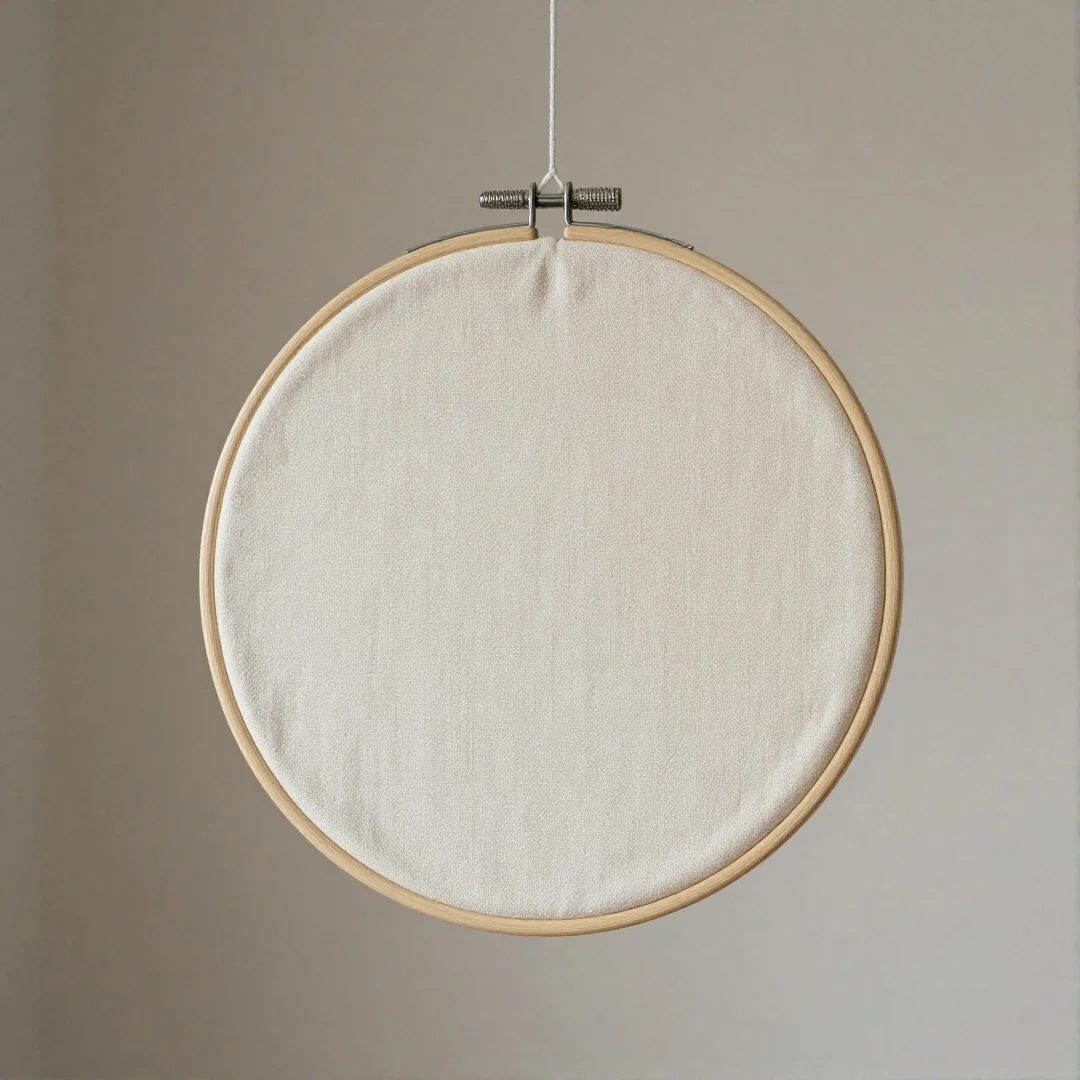
I find that a high-contrast mobile is the simplest way to encourage focus during those long newborn days. Creating diy baby toys like this allows you to provide visual stimulation without overwhelming your little one. You can craft a frame using a simple 12-inch wooden embroidery hoop wrapped in soft felt fabric. Hang shapes made from black and white cardstock to help your baby track movement and improve hand-eye coordination.
Safety is the priority when mounting anything above a sleep space. Always ensure the mobile hangs at least 15 inches above the crib mattress to prevent any risk of entanglement. Use non-toxic adhesive and double-check that every ribbon is knotted securely so nothing can detach. I suggest using a sturdy ceiling hook rather than a crib-attachable arm if your baby starts reaching up to grab at the hanging items.
For another perspective, this detailed piece on How to make easy DIY toys for babies and toddlers! is worth a read.
FAQ
How do I prevent choking hazards?
Check every piece of your diy baby toys for loose parts before handing them to your child. Any object smaller than 1.25 inches in diameter is a risk, so avoid small buttons or tiny wooden beads that could detach during play.
Which materials should I avoid?
Skip toxic paints, thin plastic bags, and old foam that crumbles easily. Always use a non-toxic adhesive when securing felt fabric or ribbon to prevent parts from coming loose during enthusiastic shaking or chewing.
How do I keep sensory toys clean?
Wipe down plastic sensory bottles with a mix of water and mild soap after every play session. For items made of cotton batting or textile scraps, place them inside a mesh laundry bag and run them through a gentle wash cycle at least once a month.
Are recycled items safe for infants?
Cardboard boxes and plastic containers make excellent play tools if you inspect them for sharp edges first. Ensure all surfaces are smooth and free of staples or tape remnants that could scratch delicate skin during exploration.
How do I support motor skills?
Focus on Montessori inspired baby toys that encourage grasping, such as silicone rings wrapped with soft fabric strips. These simple projects help improve hand-eye coordination by providing textures that are easy for small fingers to hold and manipulate.
You might also like: 20 Baby Shower Gift Wrapping Ideas That Impress
Key Takeaways
As the seasons change and you spend more time indoors, crafting your own play items becomes a meaningful way to support your child’s growth through intentional play.
- Developmental benefits: Creating your own diy baby toys encourages fine motor skills and hand-eye coordination through tactile exploration.
- Safe material choices: Always use non-toxic adhesive and natural elements like cotton batting or felt fabric to ensure items meet basic safety standards.
- Budget-friendly play: You can repurpose recycled household items like plastic containers or cardboard boxes for under $5 in total supply costs.
- Sensory stimulation: Use homemade baby sensory toys to provide diverse textures that help infants explore the world around them.
- Intentional crafting: Focus on Montessori inspired baby toys that promote open-ended play rather than overstimulating your child.
- Cleaning habits: Regularly wipe down wooden beads and silicone rings with mild soap to keep your play collection hygienic for curious little hands.
Save this list to your Pinterest board to keep these project ideas handy for your next craft session.