20 Toddler Learning Activities That Feel Like Playtime
Introduction
A child’s brain creates over 1 million new neural connections every second during their first three years of life. You don’t need fancy toys to support this growth because toddler learning activities thrive on simple, everyday items found in your kitchen junk drawer. By turning basic household objects like muffin tins and masking tape into tools for play, you provide the perfect environment for your child to hit major milestones.
These hands-on play for 2 year olds sessions do much more than just keep them busy for 15 minutes. They build essential cognitive skills like problem solving and hand-eye coordination without the need for a screen. Whether you are using a $2 pack of construction paper or a set of building blocks, you are laying the groundwork for early math and language skills. This list focuses on toddler development activities at home that are low on stress and high on impact.
Muffin Tin Sorting
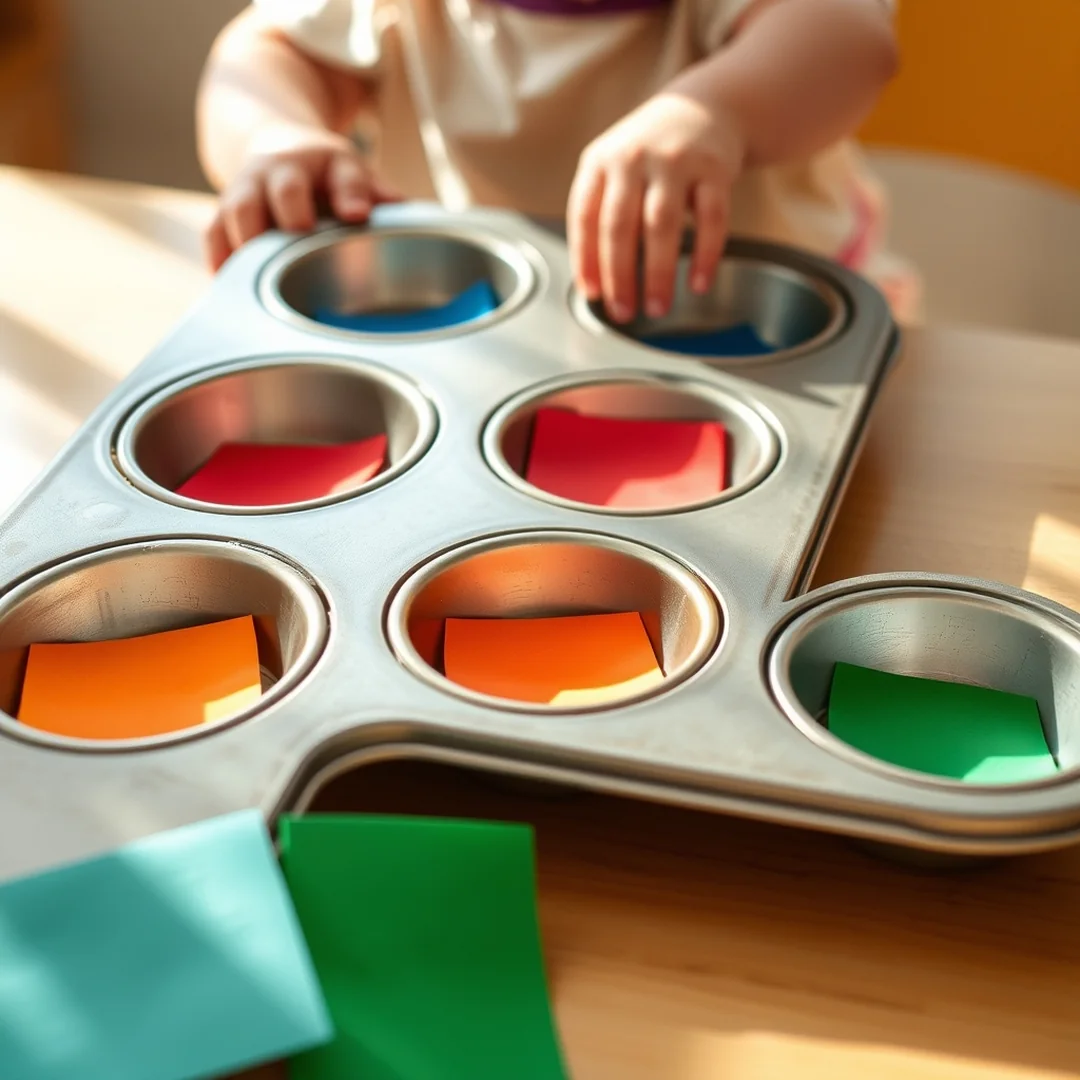
You probably have a metal muffin tin sitting in your kitchen cabinet right now. It is one of the best tools for toddler learning activities because it turns a simple snack pan into an engaging sorting station. Place a small piece of colored construction paper or masking tape at the bottom of each cup to define the categories. Then, hand your child a bowl filled with 30 colorful pom poms and watch them work.
This game is perfect for improving fine motor control as little fingers grasp each object to place it into the correct hole. It also builds color recognition through repetition. If your toddler is still in a phase where they put everything in their mouth, swap the pom poms for larger items like plastic stacking cups or wooden building blocks to keep play safe and focused on hands-on play for 2 year olds.
Tape Line Balance
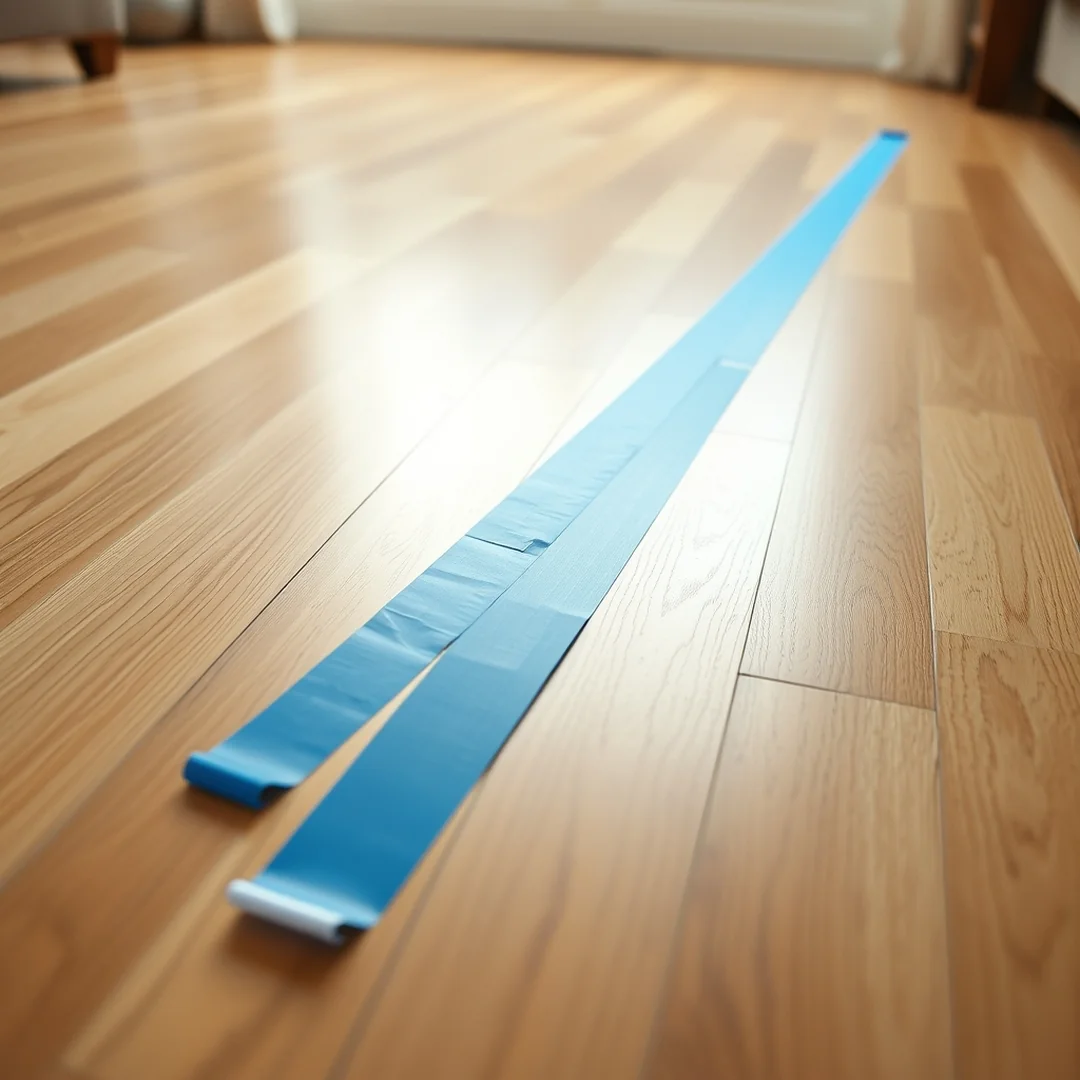
Do you need simple toddler learning activities that burn off energy inside your home? You can create a low-prep obstacle course by sticking a 10-foot strip of painter’s tape across your living room floor. Challenge your child to walk heel to toe along the line to improve their balance and core strength.
This movement game helps children learn spatial awareness as they focus on staying within the boundaries of the tape. If your toddler is just starting to walk, make the line wider or use zig-zag patterns to keep them engaged. These gross motor challenges are perfect for high-energy kids who struggle to sit still during quiet tasks. Because you use tape instead of bulky equipment, cleanup takes less than 30 seconds. You simply peel the strip up once the fun ends, leaving your floors clean and ready for the next round of play.
Cardboard Box Shape Sorting
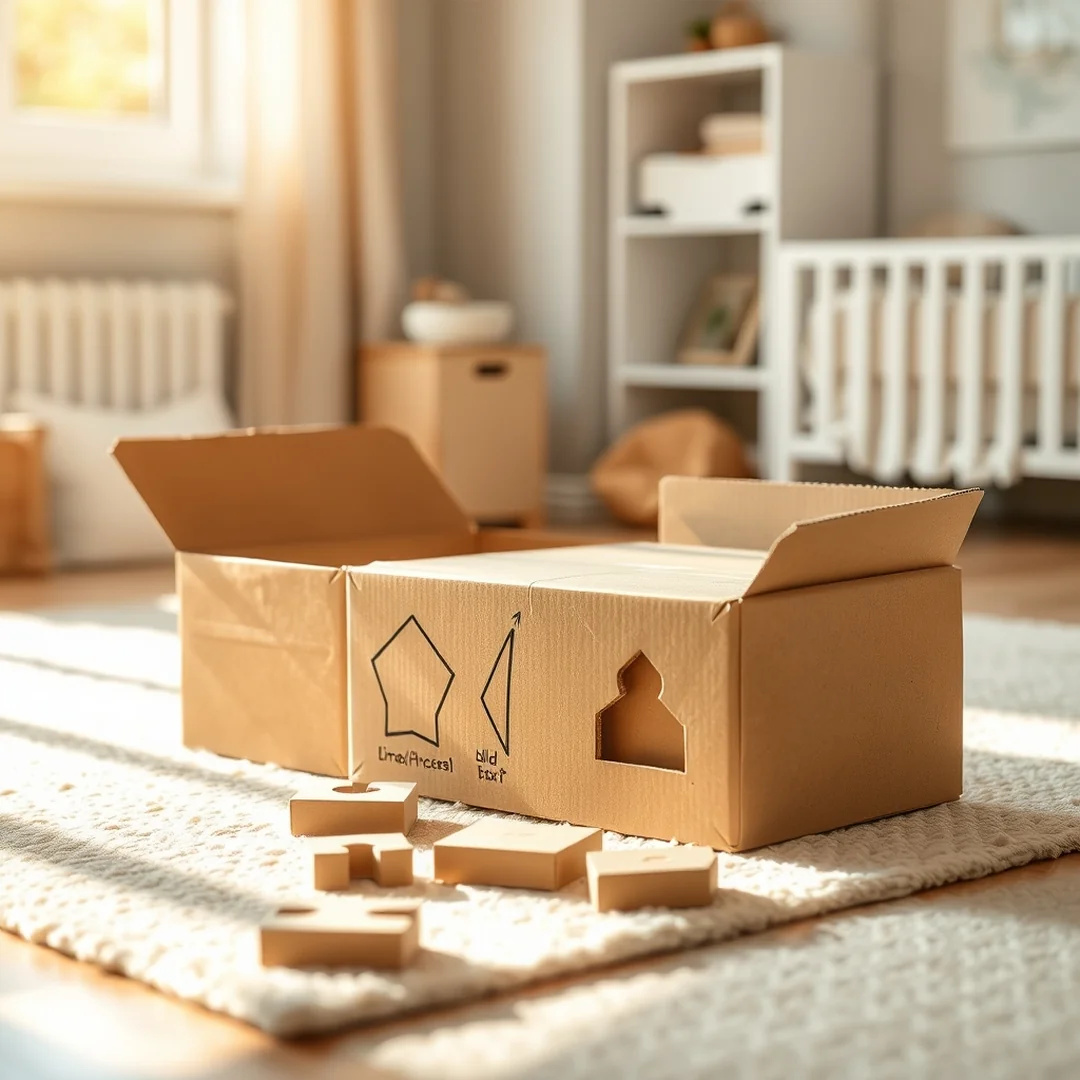
Some parents think high-tech toys are essential for growth, but simple cardboard boxes often spark more curiosity and focus. Using recycled containers for these toddler learning activities turns your living room floor into a hub for fine motor skills activities for toddlers. Simply cut three different shapes into the side of a medium shipping box and provide your child with matching wooden blocks or heavy construction paper cutouts. This challenge forces them to rotate their wrists and observe spatial boundaries to fit the pieces through the slots. It is a fantastic way to build problem solving skills as they figure out why a square block won’t fit into a circular hole. I suggest keeping a roll of 2-inch painter’s tape nearby to secure the box edges, ensuring the structure stays sturdy while your child works on their sorting goals.
Sensory Bin Exploration
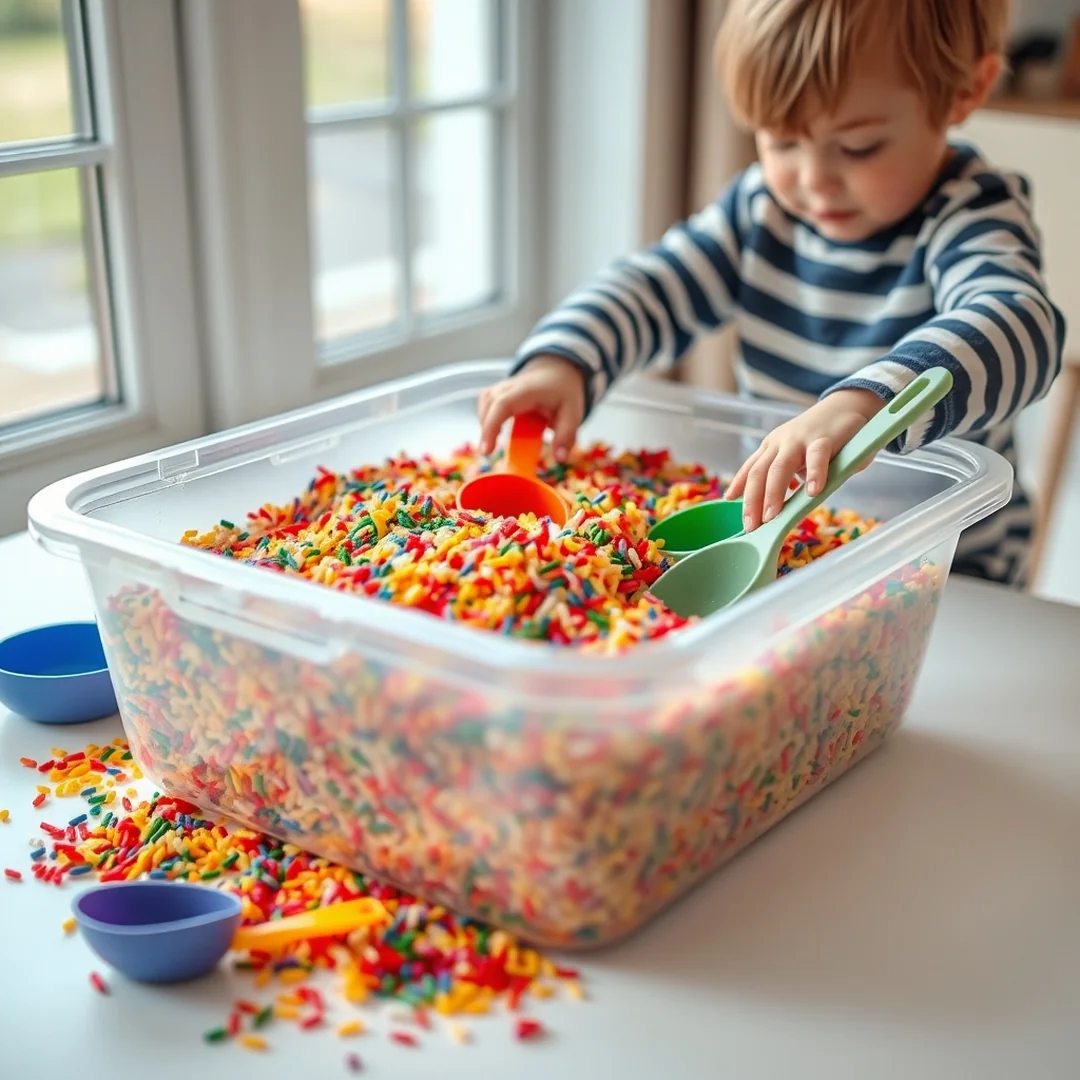
I have found that sensory bins are the best way to keep my little one focused for a solid 20 minutes of independent play. These toddler learning activities provide a great foundation for fine motor skills activities for toddlers by letting them scoop and pour different textures. You can start by filling a shallow plastic tray with two bags of dry rice or dried beans. Add a few small plastic cups or scoops to help your child practice transferring materials from one side to the other. This simple hands-on play for 2 year olds helps build concentration and hand-eye coordination without any complex prep work.
- Place the tray on a large towel or an old sheet to catch spills and make cleanup faster.
- Use masking tape to mark a clear boundary on the floor where the bin must stay during play.
Clothespin Color Matching
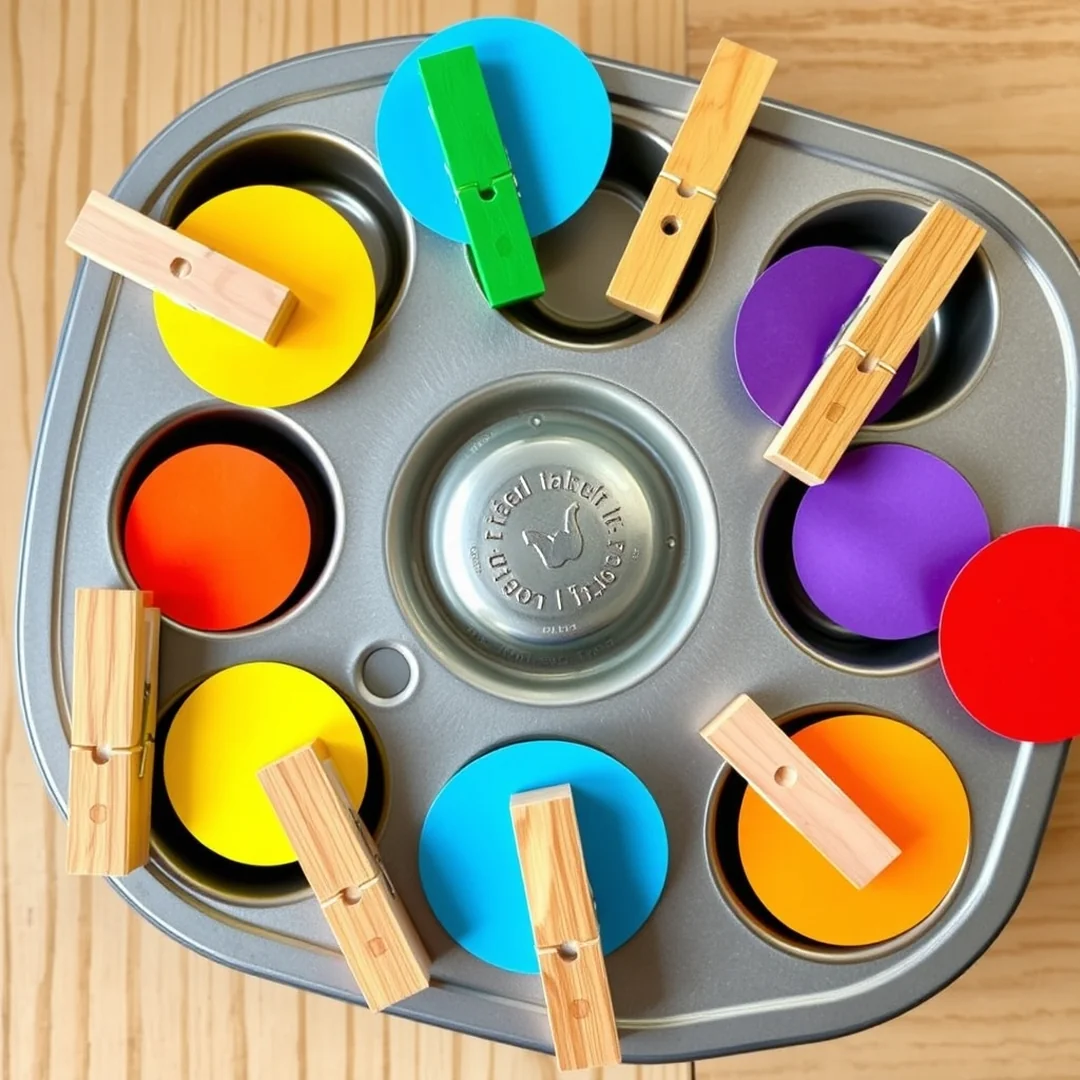
Use construction paper circles in five distinct colors to label a muffin tin for a quick setup. This is one of the most effective toddler learning activities because it turns a simple chore into a focused session of fine motor skills activities for toddlers. By clipping wooden clothespins onto the matching paper, your child connects visual color recognition with the physical act of squeezing. This specific movement is vital for strengthening hand muscles, which builds the grip strength needed for future writing. I find that using a 12-cup tin works best, as it offers enough space for variety without becoming overwhelming. If your child gets frustrated by the resistance of the springs, start with large plastic clips instead. These easy screen-free activities for toddlers help develop hand-eye coordination and patience while keeping little hands busy for ten to fifteen minutes at a time.
Stacking Cup Towers
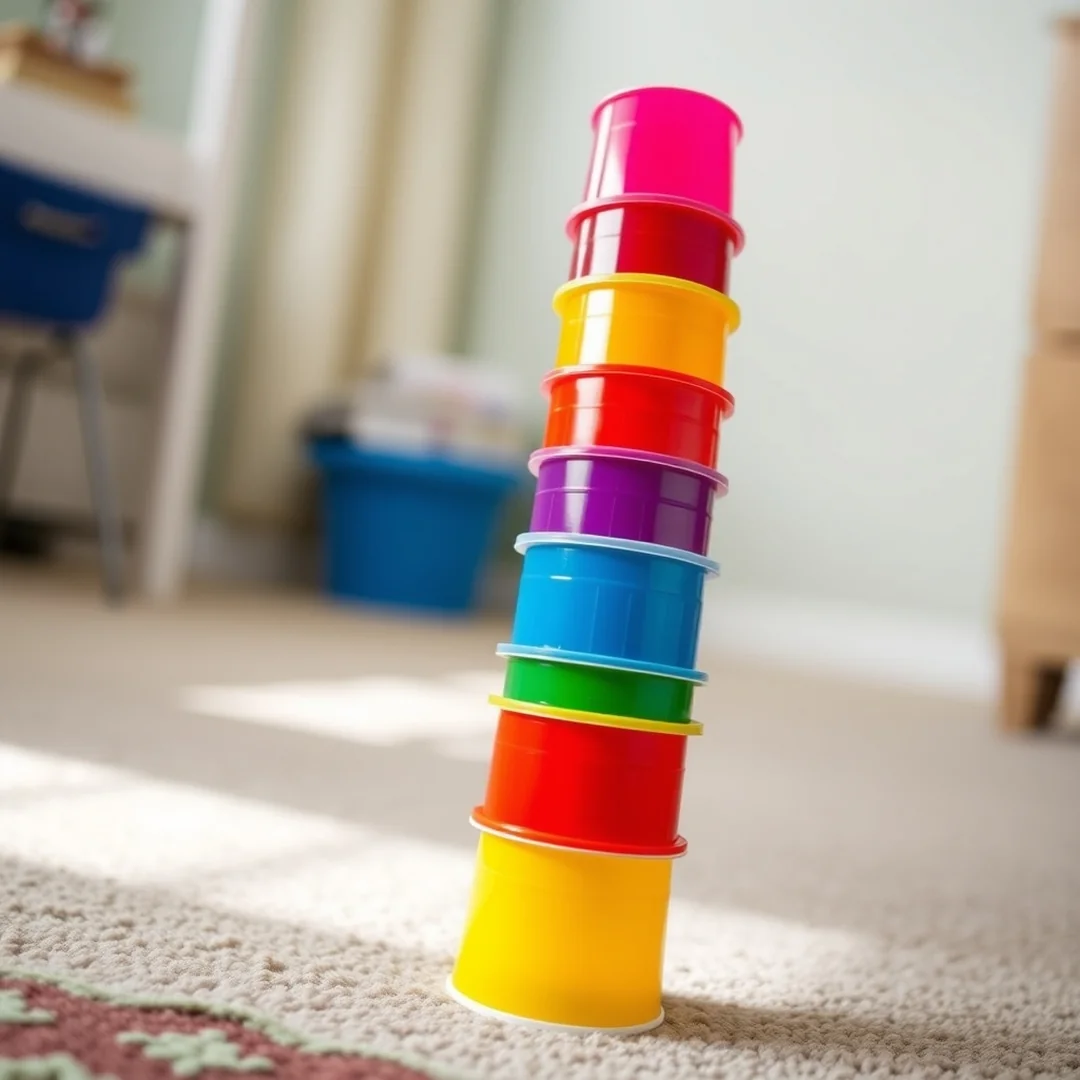
As autumn chill keeps us indoors, stacking cups become one of the best toddler learning activities to teach early physics. When your child knocks over a tower, they see cause and effect in action as gravity pulls the plastic pieces down. This simple interaction helps build essential hand-eye coordination without complex setups.
For a toddler with a shorter attention span, start with a low base using just 3 cups. This quick win keeps them engaged and prevents early frustration. If your child is ready for a challenge, use a set of 12 nesting cups to build a taller structure. You can easily adapt the difficulty by adding a piece of painter’s tape to the floor as a guide for their tower base. Always keep the play area clear to make cleanup fast when your little one is ready to move on.
Painter Tape Letter Tracing
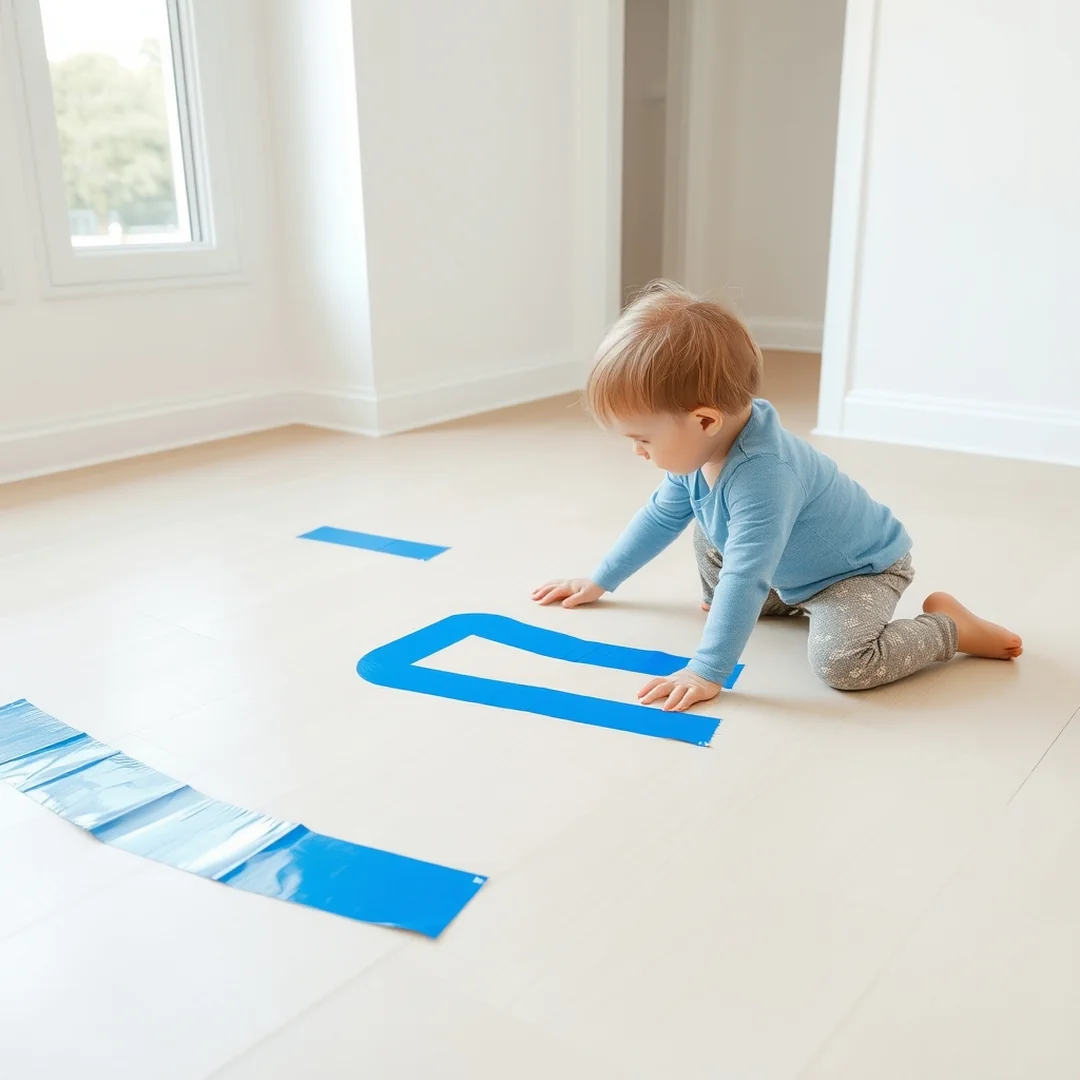
You can set up this activity for under $5, which is much cheaper than buying specialized plastic tracing boards. Using painter’s tape to create large letters on the floor is one of the most effective toddler learning activities for building dexterity without any screen time. Simply stick strips of tape onto a flat floor in the shape of big letters. Your child can use their fingers to trace the lines, which helps develop fine motor skills activities for toddlers by training their hand muscles for future writing. I find that placing these shapes on a hardwood floor works best because the tape peels off quickly during cleanup. If your child is high-energy, turn this into a game by having them jump or crawl along the lines. It keeps them engaged and focused on hands-on play for 2 year olds while you finish chores nearby.
Pom Pom Transfer
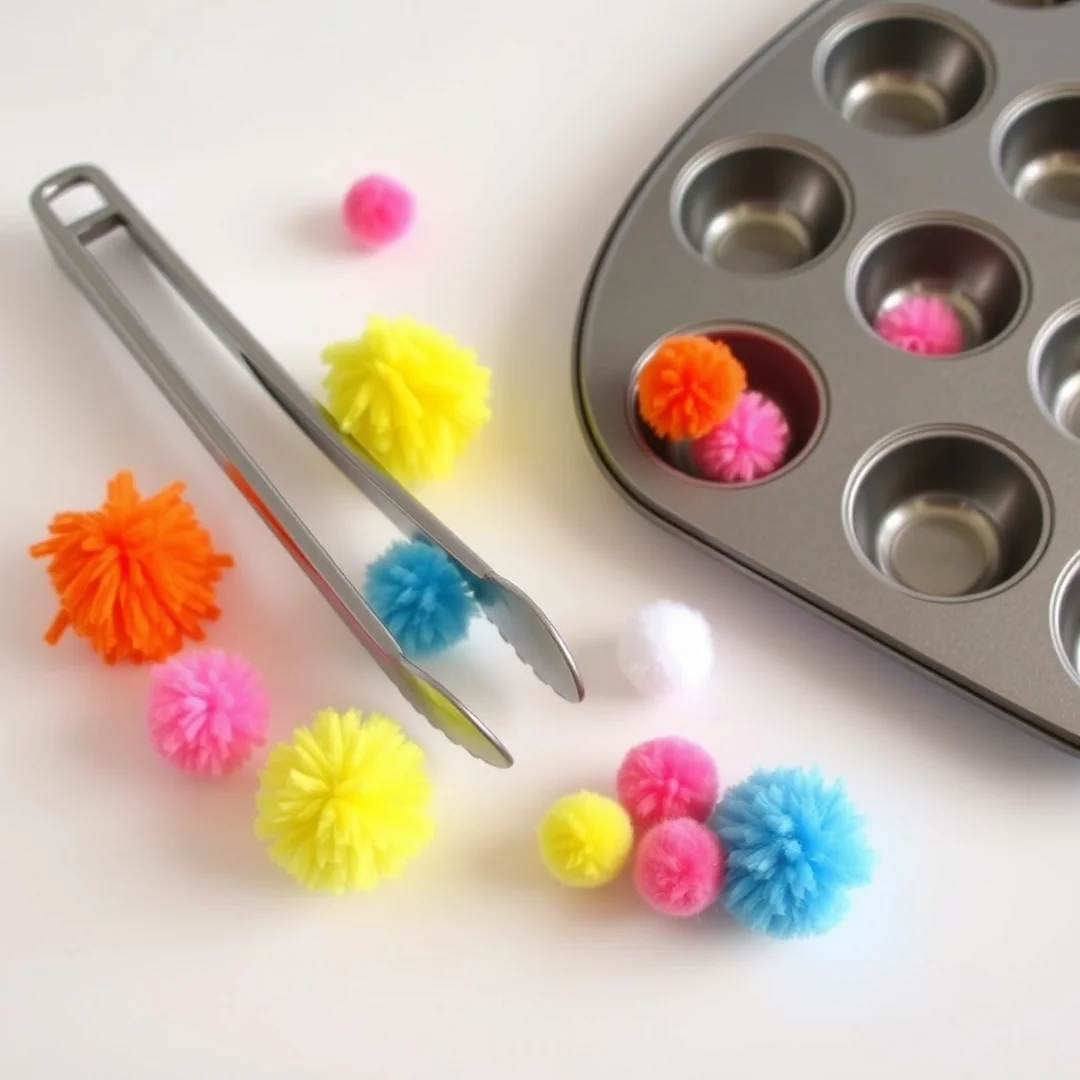
A child can focus for about 3 minutes for every year of their age, making short toddler learning activities essential for success. Using kitchen tongs to move pom poms into a 6-hole muffin tin builds the precise hand-eye coordination needed for future writing tasks. This task is one of the most effective fine motor skills activities for toddlers because it forces them to control their grip strength and spatial awareness simultaneously.
I find that setting this up on a tray helps contain the mess if the small balls roll away. You can encourage quiet focused play by showing your child how to sort colors into specific spots. If your toddler gets frustrated by the tongs, let them use their fingers to start until they feel confident. This simple exercise helps bridge the gap between basic play and early cognitive milestones in a calm, screen-free environment.
Washable Marker Art
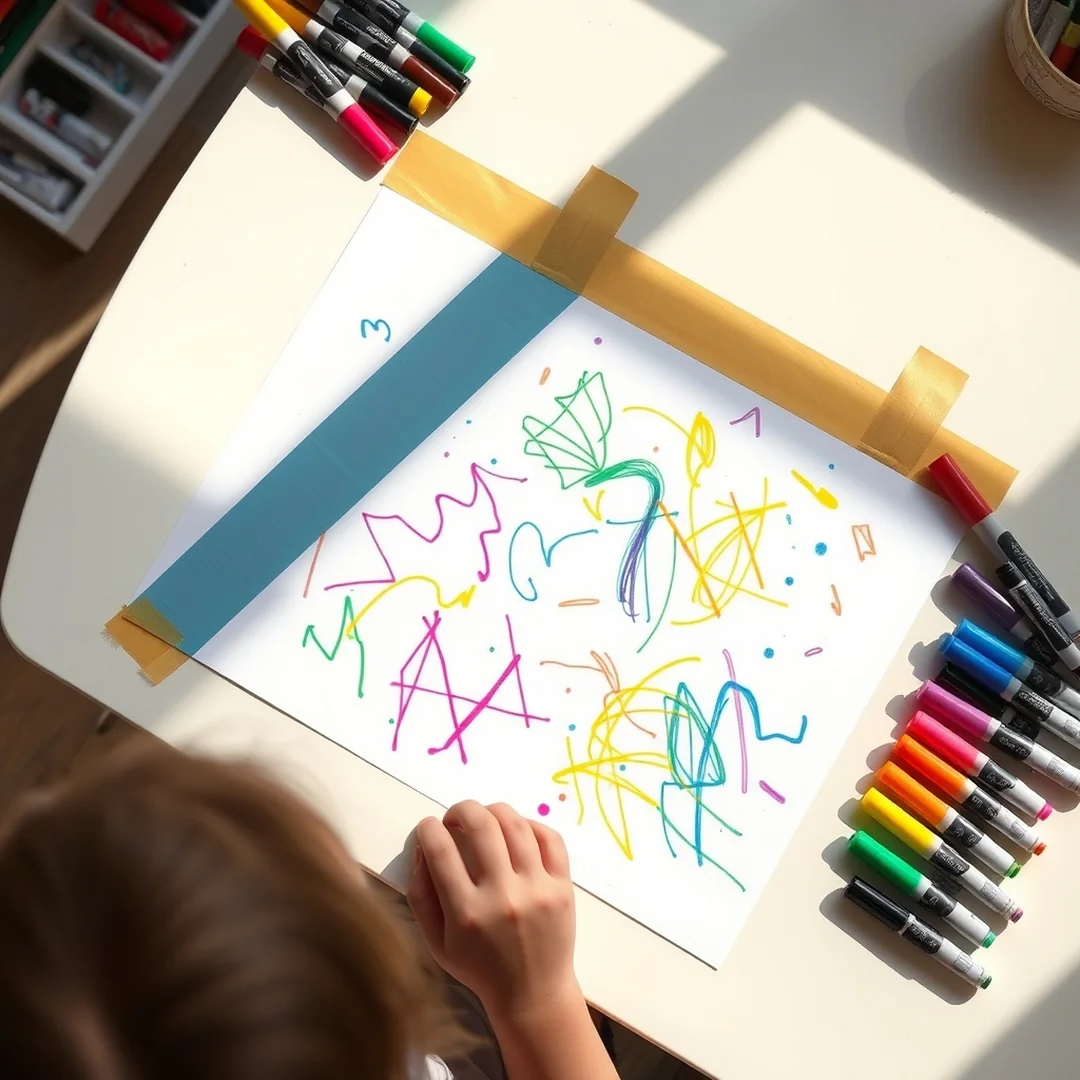
You probably know the panic that sets in when a toddler finds a permanent pen, but washable markers turn that fear into a fun session. These toddler learning activities are perfect for exploring color mixing on a simple piece of construction paper. I suggest taping the paper to the table with painter’s tape to keep it from sliding while your little artist works on their fine motor skills. Watching how two primary colors create a new shade is a great way to introduce early science concepts. If you buy a standard set of 10 markers for about $5, you have everything you need for hours of engagement. Because the ink is water soluble, you can easily wipe any stray marks off your table or floor with a damp cloth. It’s a great way to encourage creative expression without the stress of permanent messes.
Water Play Volume Math
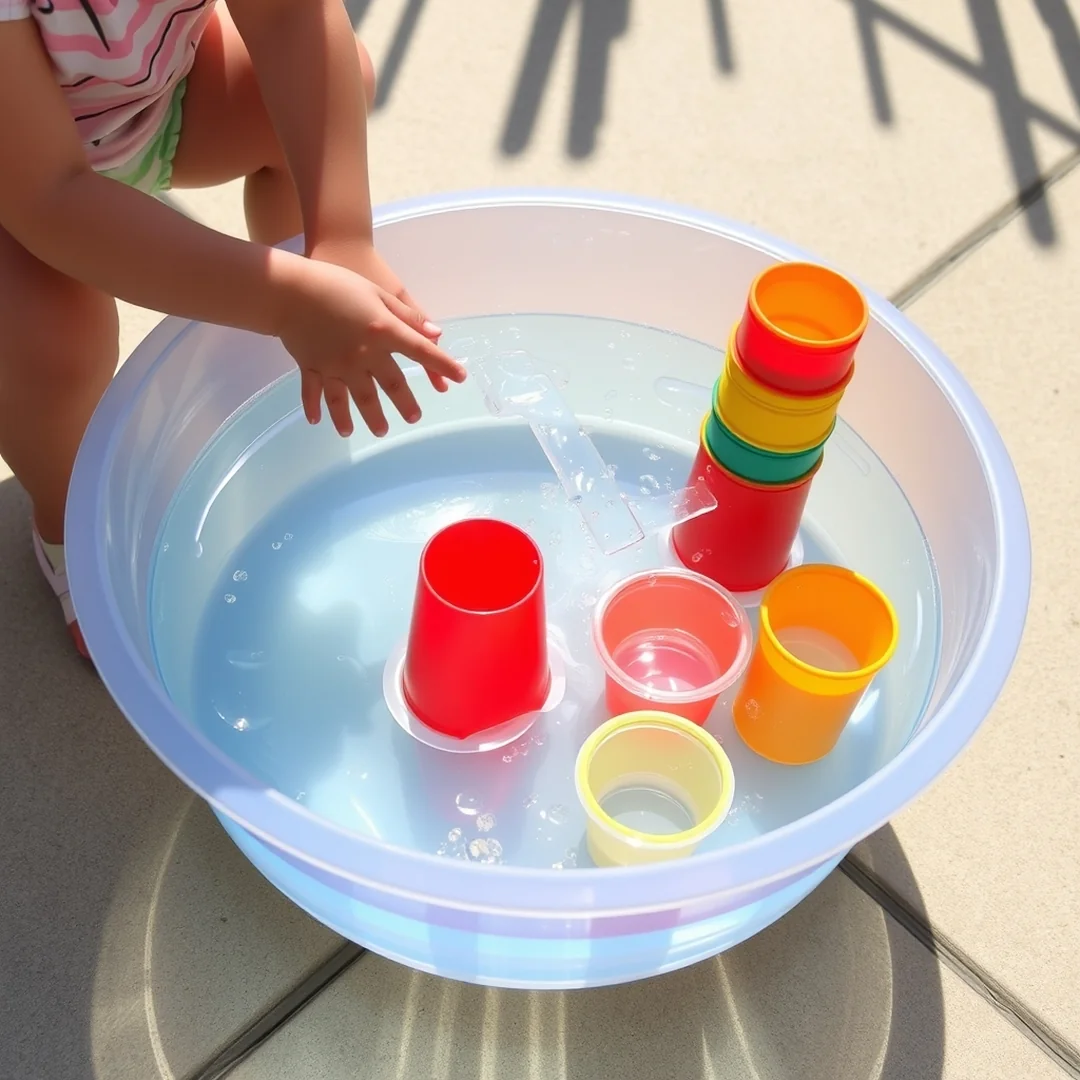
Do you want to turn simple water play into a lesson on basic math? These toddler learning activities help little ones understand volume and measurement by filling up different containers. You can use three or four plastic stacking cups and a large plastic basin to show how much liquid fits inside each one. This hands-on play for 2 year olds builds key hand-eye coordination as they pour water back and forth between vessels. I have found that adding a few drops of food coloring makes the water easier to see while pouring.
To keep your floors dry, place the entire setup on a large plastic tray or lay down two thick bath towels underneath. This simple step saves you from mopping up puddles while your child focuses on their sensory play. It creates a contained environment that lets your toddler explore physics without the cleanup stress.
Sticker Sorting Games
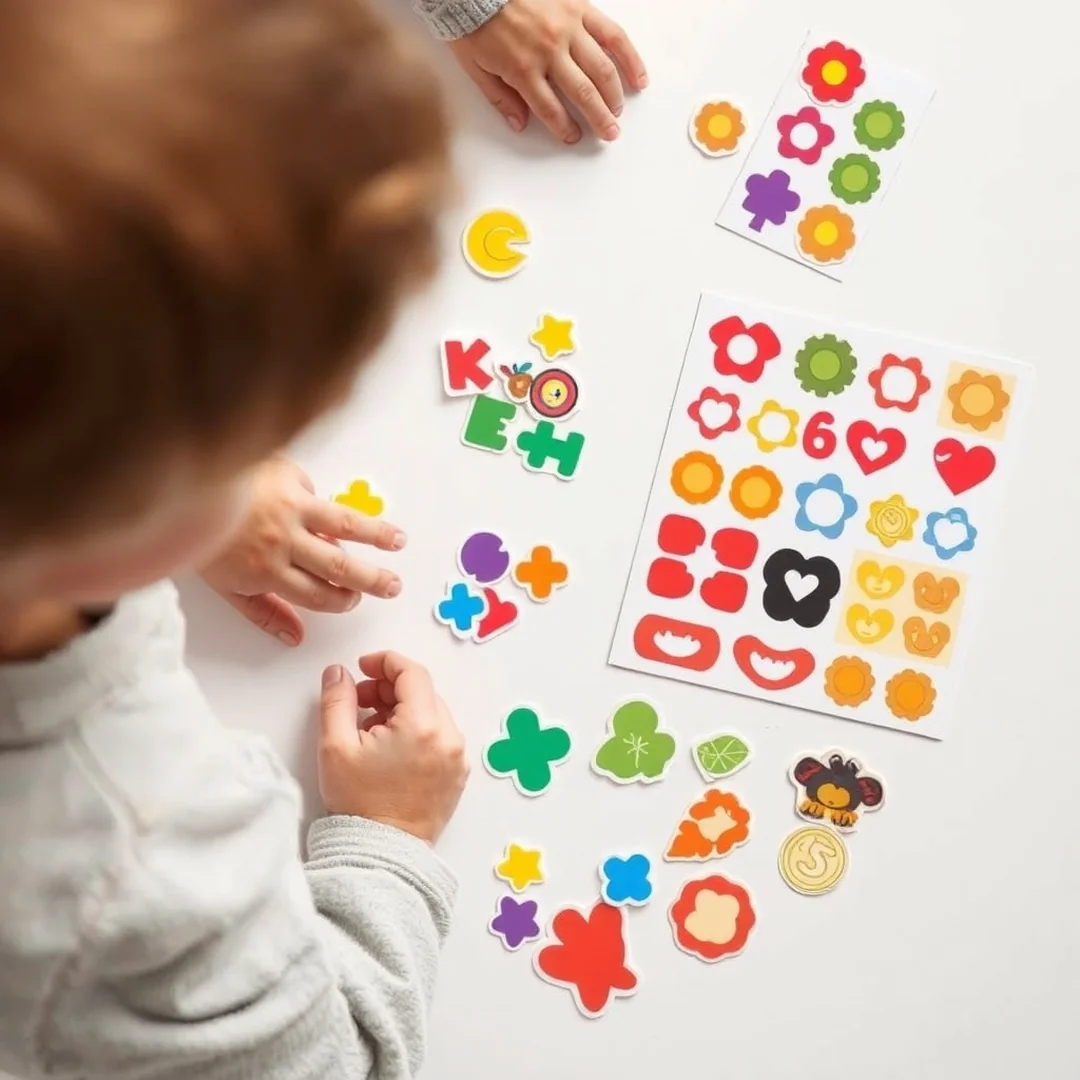
Many parents think toddler learning activities require elaborate craft kits, but you can build vital skills with a single $2 sheet of office stickers. While these stickers seem like simple toys, they are powerful tools for refining pincer grasp and color recognition. Place different colored stickers on a piece of paper and ask your child to stick matching ones inside shapes you have drawn. This requires focused hand-eye coordination as they peel and position each piece.
- Draw circles on construction paper to act as targets for matching colors.
- Use the stickers to fill in outlines, which helps with early fine motor skills.
If your child gets frustrated peeling stickers, peel off the outer white border first. This makes the individual stickers much easier to grab. Limit the activity to 15 minutes to keep it engaging without causing burnout.
Building Block Patterns
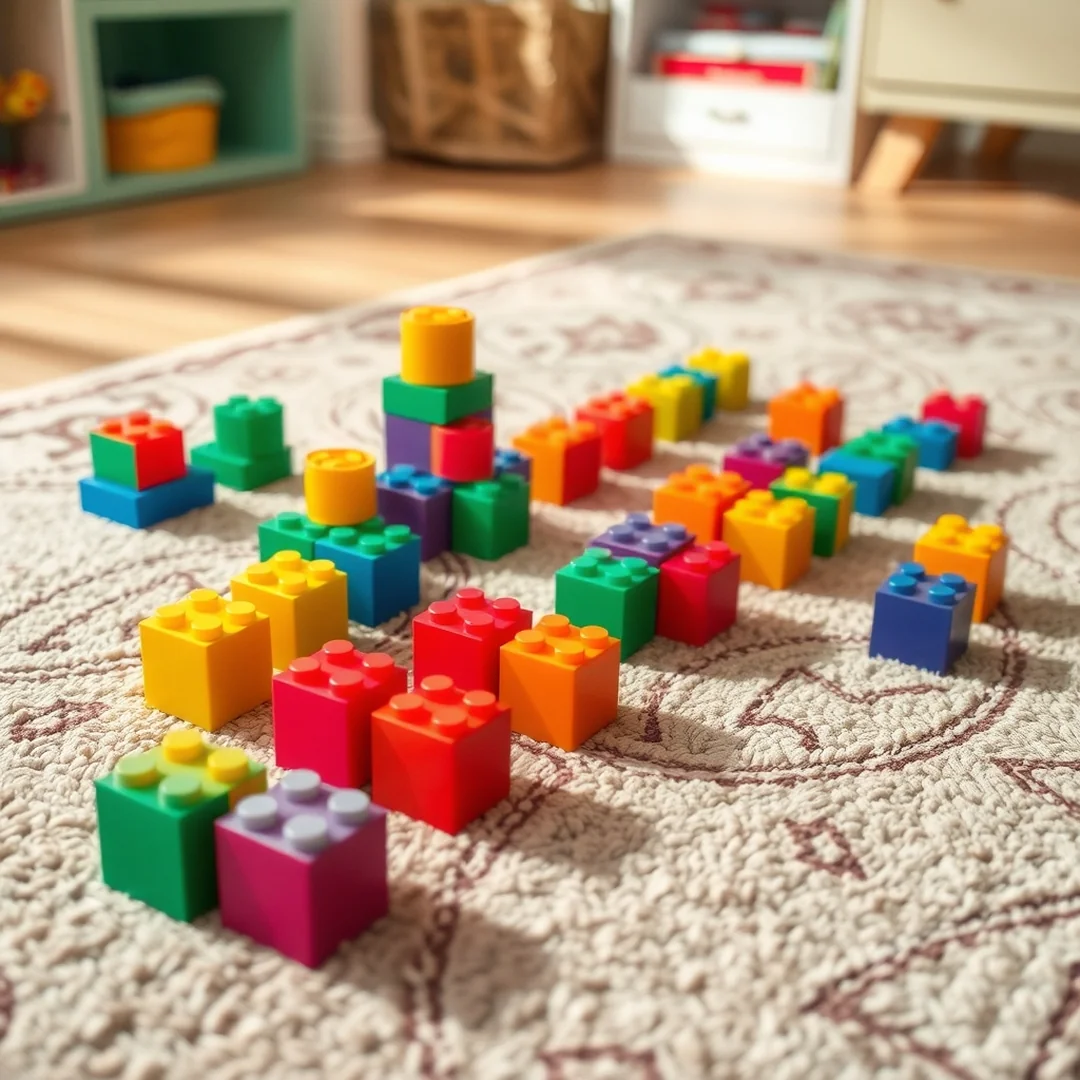
I find that watching a child figure out a pattern with building blocks is one of the most rewarding parts of early childhood development. These toddler learning activities introduce basic math concepts like sequencing and counting without needing fancy tools. You can start by creating a simple A-B-A-B pattern using two colors of blocks and asking your child to place the next piece. This builds problem-solving skills and early number recognition as they count the items in their row. I suggest owning exactly 24 blocks to keep the cleanup manageable while providing enough pieces for complex designs.
- Rotate your block sets weekly to keep interest high and encourage independent play.
- Store unused sets in a plastic bin to prevent clutter and keep your living area tidy.
- Use a flat surface like a wooden tray to define their workspace and contain the pieces during play.
Puzzle Piece Matching
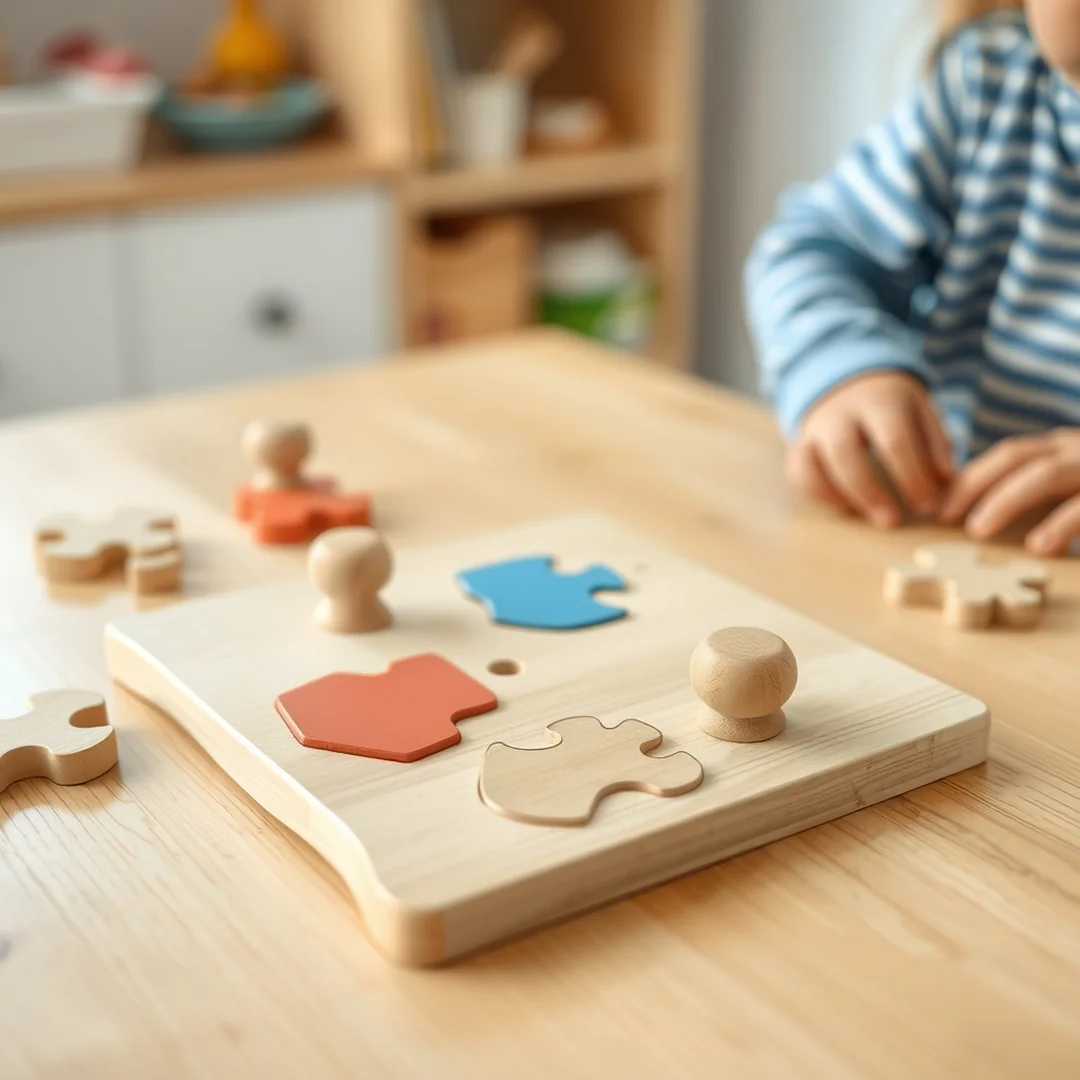
Start with wooden knob puzzles that feature only two or three large pieces to keep your child from feeling overwhelmed. These toddler learning activities are perfect for building fine motor skills because they require your child to rotate and align each piece into the correct slot. I have found that starting with a simple four-piece wooden board helps toddlers gain confidence before they move on to more complex sets.
Always watch for signs of frustration, such as throwing pieces or walking away, which often means the puzzle is too difficult for their current stage. If your child struggles, sit nearby and guide their hand gently to show how the shape fits into the frame. This simple practice supports cognitive milestones by teaching logical reasoning and persistence during independent play. It is a fantastic way to sharpen their hand-eye coordination without needing any screens.
Construction Paper Collage
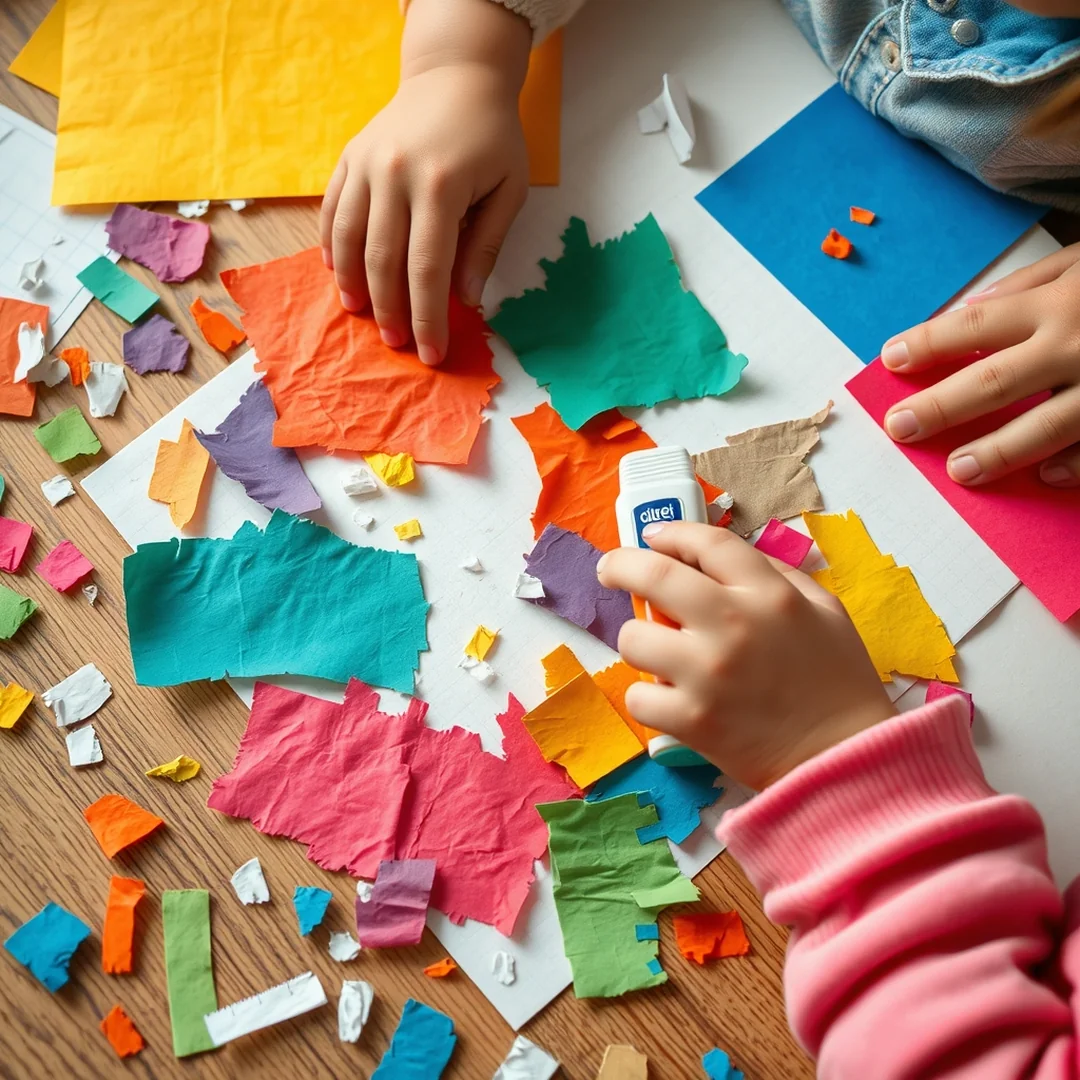
Winter afternoons are perfect for toddler learning activities that keep little hands busy while staying cozy indoors. By providing your child with five sheets of colorful construction paper and a glue stick, you encourage them to tear the paper into small pieces before pasting them onto a base. This simple act builds fine motor skills by strengthening the small muscles in their fingers and improving hand eye coordination.
You do not need to worry about the final picture looking like anything recognizable. The goal is to foster artistic confidence by letting your child explore textures and colors at their own pace. If the mess feels overwhelming, lay down a large piece of butcher paper first for quick cleanup. This is one of the most effective easy screen-free activities for toddlers that allows them to express creativity without the pressure of a specific result.
DIY Counting Jars
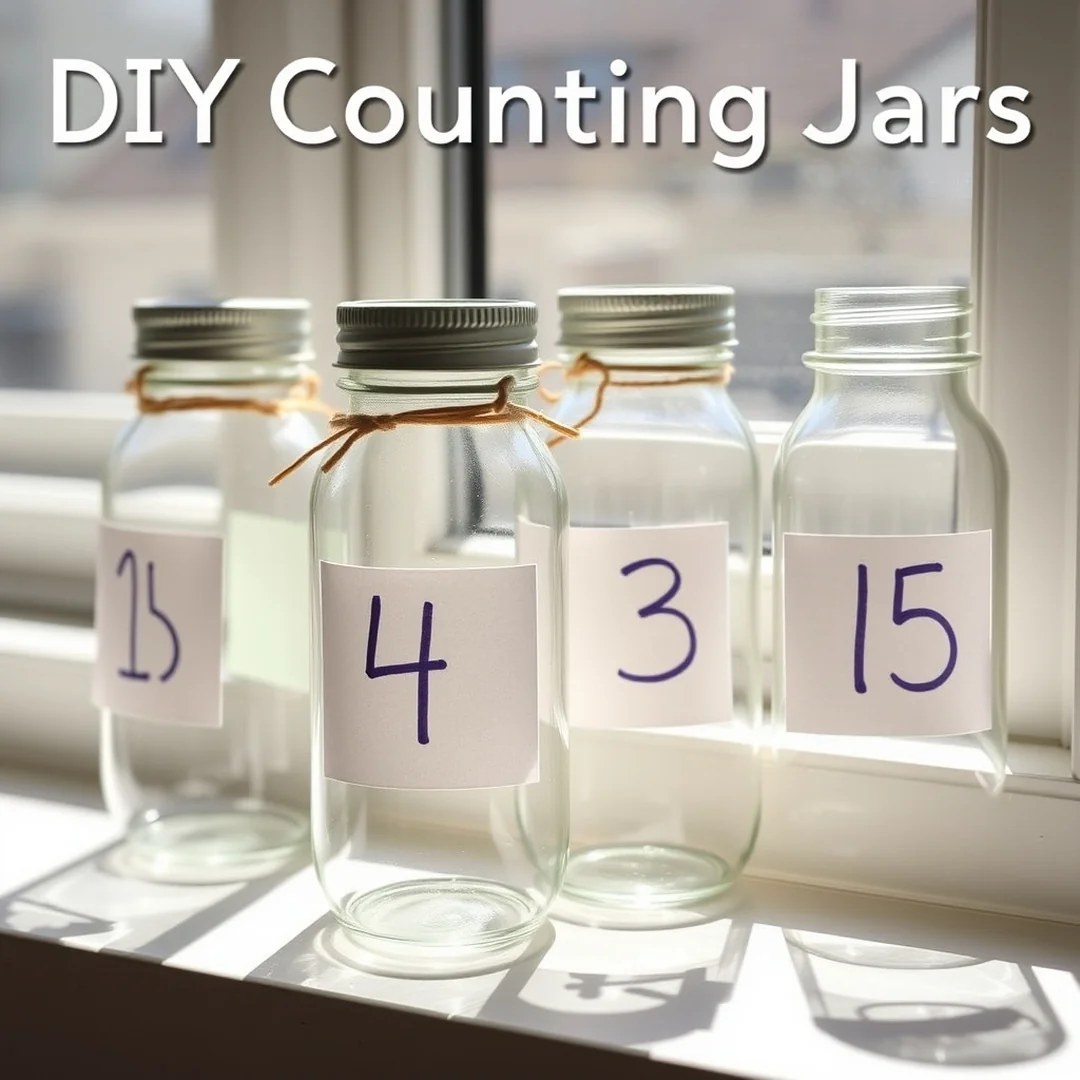
You can create these toddler learning activities for under $5 using recycled containers instead of buying expensive store sets. Clear plastic bottles serve as perfect vessels for practicing number recognition as your child fills them to match a specific digit. Simply tape a piece of construction paper with a number written in washable markers to the front of each bottle. This visual cue helps toddlers connect the numeral to a physical quantity.
For the items inside, use small items for math practice like pom poms or plastic counting bears. Always provide these items under close supervision if your child still puts objects in their mouth. These simple hands-on play for 2 year olds sessions boost fine motor skills and cognitive math awareness. You can fit exactly 10 pom poms into a standard 16-ounce water bottle to keep the challenge manageable for little hands.
Kitchen Spoon Counting Practice
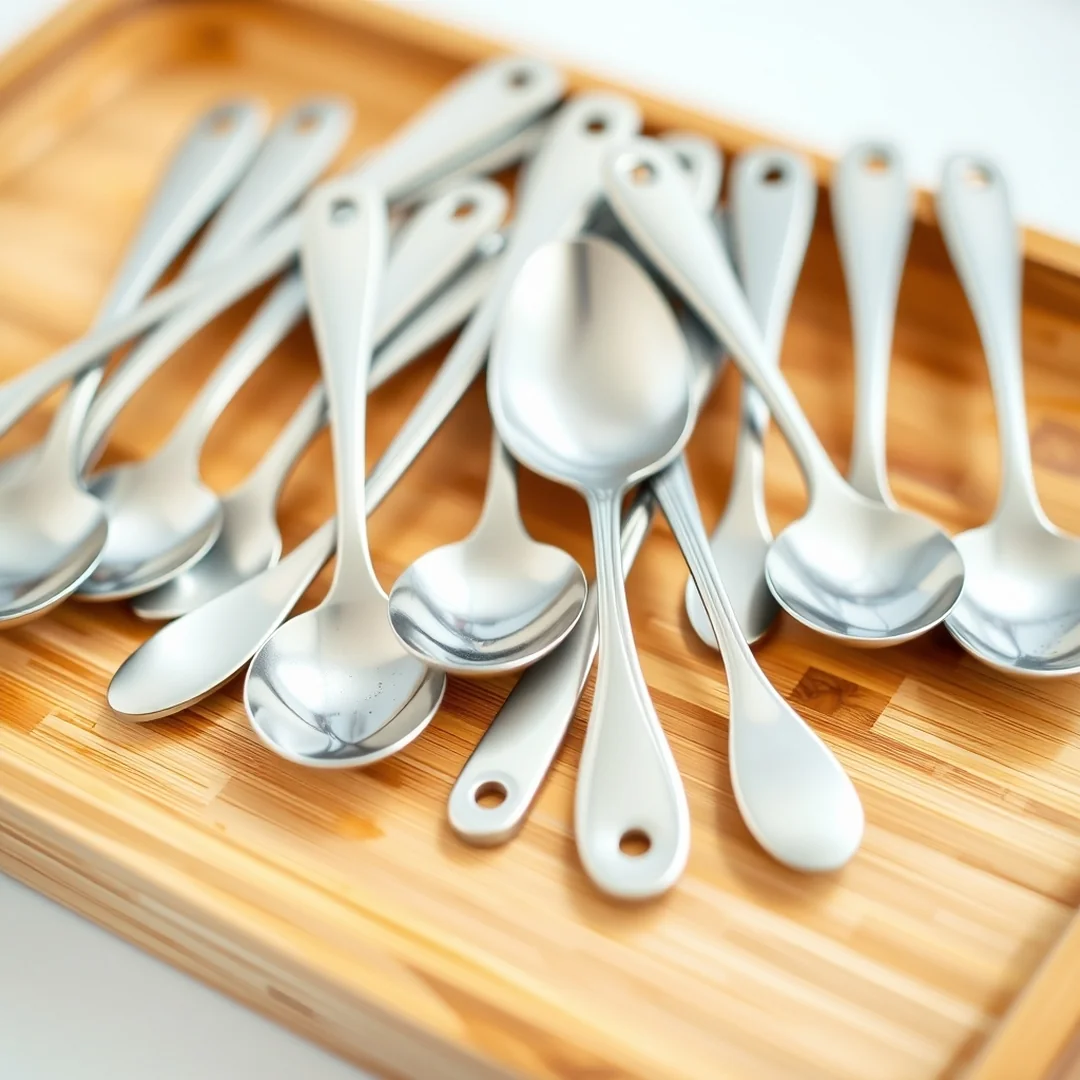
Toddlers can improve their fine motor skills by handling items with varied weights for at least 10 minutes at a time. This simple task is one of the most effective toddler learning activities because it forces little hands to adjust their grip to keep a heavy metal spoon steady. By moving 15 dried beans from a large bowl into the individual cups of a muffin tin, your child learns balance and coordination. The weight of the metal spoon provides natural sensory feedback that helps with hand-eye coordination while they practice early counting.
You can create a calm station by placing a small mat on the floor to define the play area. This helps keep loose pieces contained and signals a focused space for hands-on play for 2 year olds. If the activity feels too easy, add a piece of painter’s tape to each muffin cup with a number written on it to encourage matching.
Flashcard Memory Games
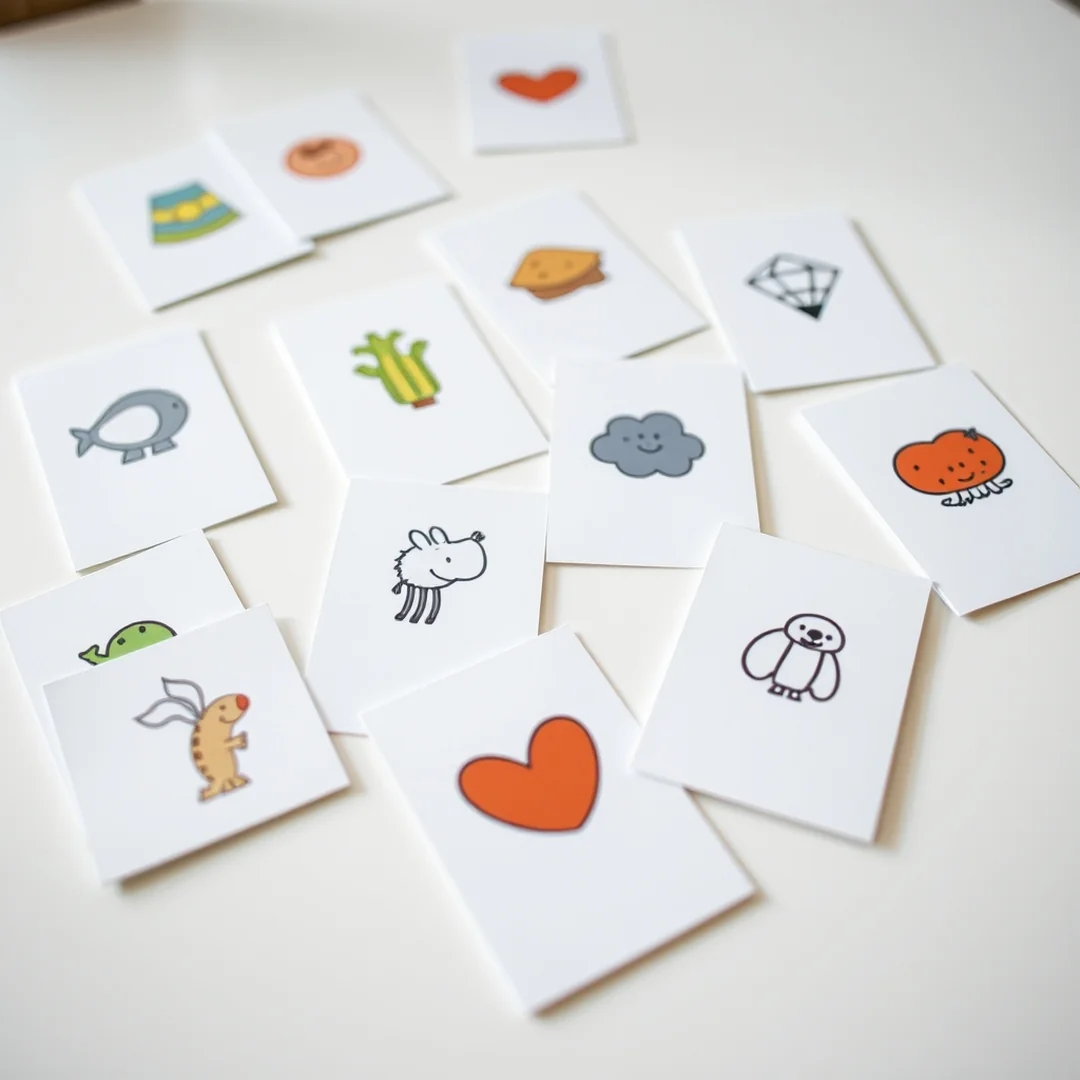
You probably have a stack of old index cards collecting dust in a junk drawer. These simple tools are perfect for toddler learning activities that build vocabulary without feeling like a formal lesson. By matching pictures to words, you help your child connect objects to their names, which is a major step in language acquisition. I usually start with 10 cards showing common household items like a spoon or a shoe. Place one set face up and keep the matching set in your hand. Ask your toddler to find the twin for each card. This creates a natural rhythm for preschool prep activities where the focus stays on the joy of the discovery. If your child gets bored, try placing the cards in a muffin tin to add a physical sorting element that keeps those busy little hands engaged for longer.
Sorting Tray Organization
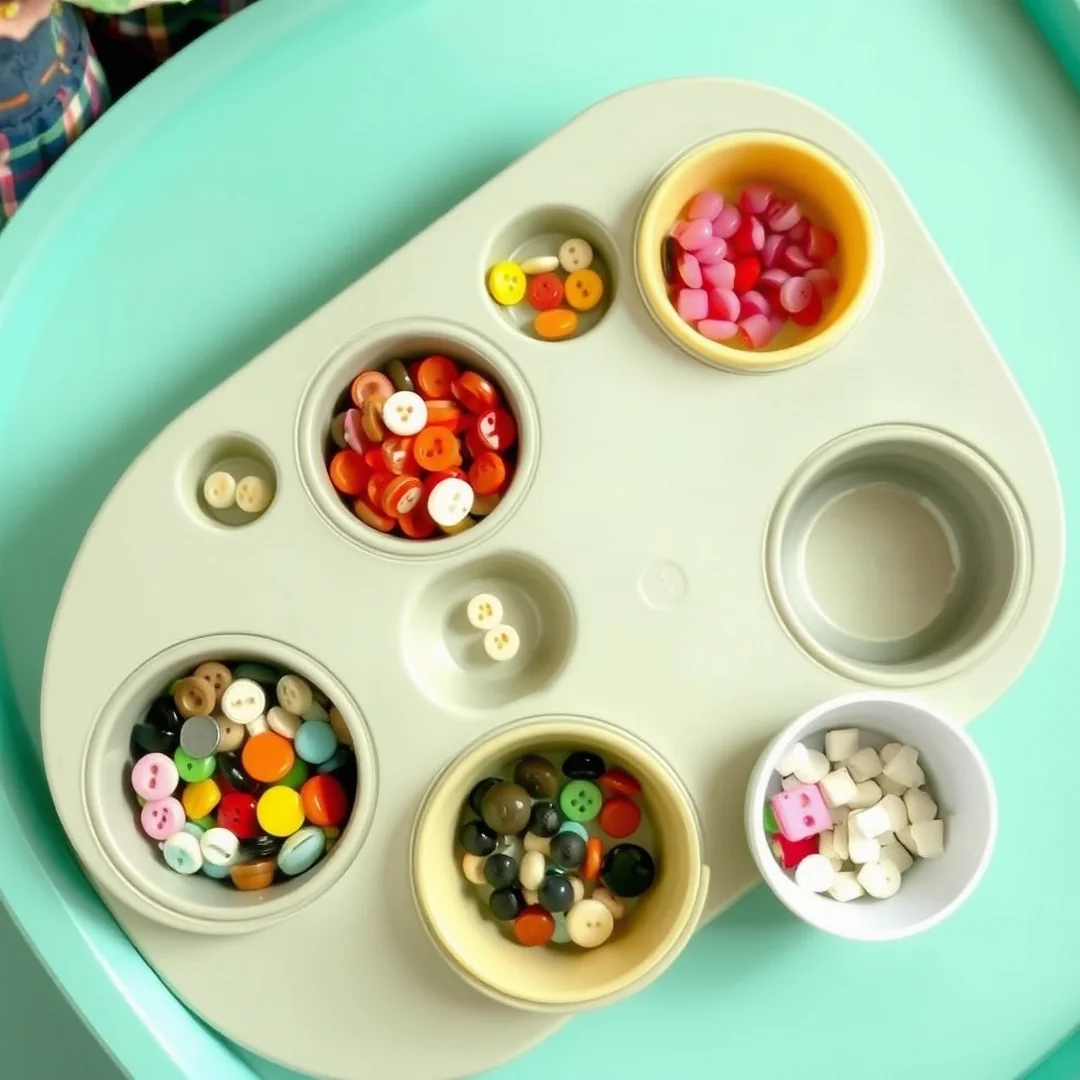
Do you want to turn daily cleanup into one of your favorite toddler learning activities? Using sorting trays or basic muffin tins helps children group household objects by color or size, which builds essential logical thinking skills. I often use a 6-cup muffin tin for this purpose. You can place items like pom poms or building blocks in a basket and have your child place them into the correct spots. This practice strengthens fine motor skills as they pinch and move small items. When the sorting is finished, you can teach them to put those same objects back into their designated storage bins. I have found that labeling boxes with construction paper shapes encourages toddlers to match items to their homes. This simple routine makes tidying up a game rather than a chore, effectively teaching independent play habits that last.
Balance Beam Walking
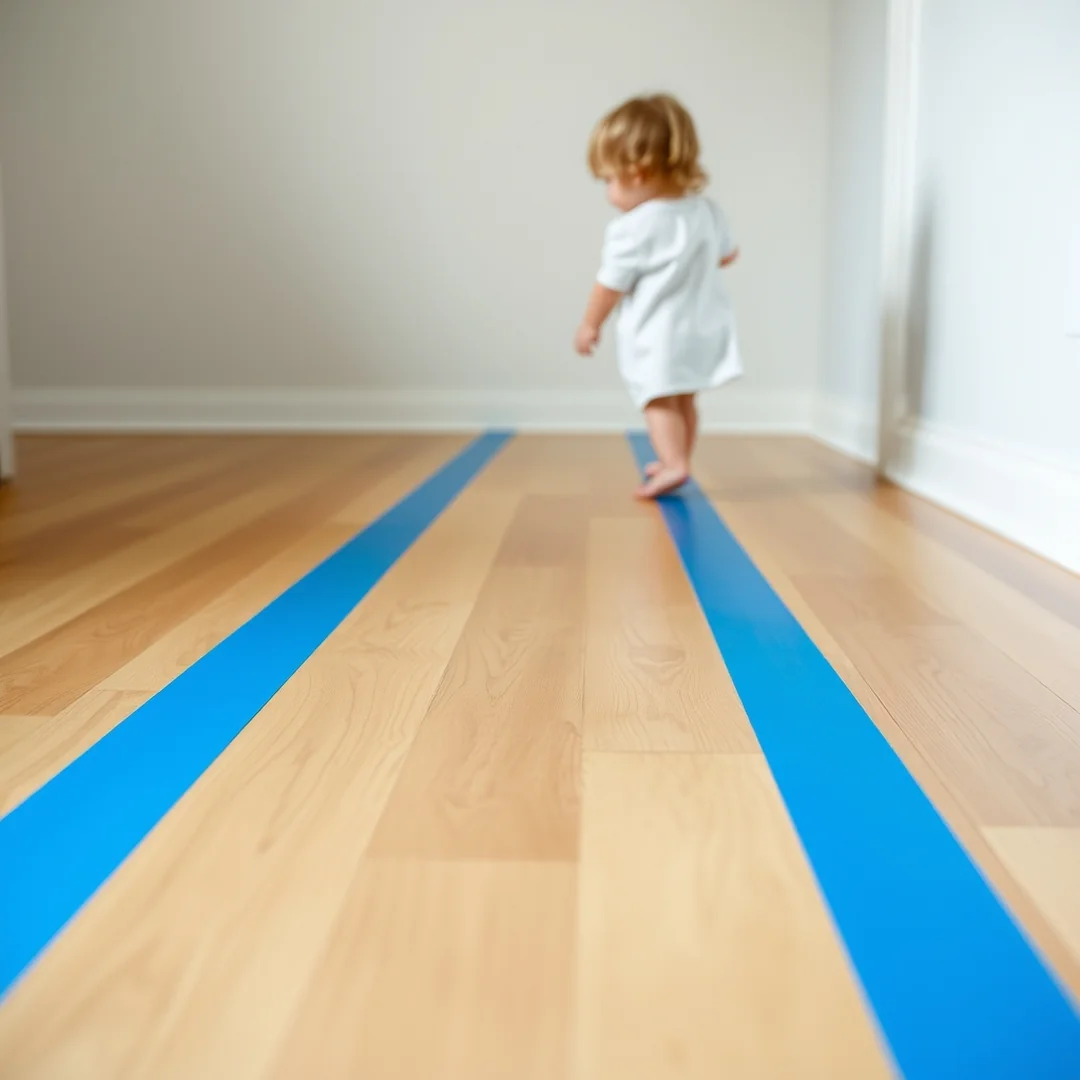
Many parents think toddler learning activities require fancy gym equipment or expensive memberships. In reality, you only need a single roll of painter’s tape to turn your living room floor into an Olympic-style training ground. This simple setup is one of my favorite indoor toddler play ideas because it builds confidence through movement.
Start by laying a straight or zig-zag line across your carpet or hard floor. Encourage your child to walk heel-to-toe along the path. This motion is fantastic for improving core strength and physical coordination. Because it mimics a real balance beam, it helps children master their spatial awareness and body control. You can make it harder by adding simple math and counting for toddlers, asking them to count each step they take while staying on the line. At just $5 for a roll of tape, it is a budget-friendly way to keep them active.
Shadow Puppet Storytelling
I find that turning off the overhead lights creates an instant sense of wonder for my little one. Shadow puppet storytelling is one of those toddler learning activities that builds narrative skills without feeling like a formal lesson. You only need a single flashlight and a blank wall to start this easy screen-free activity for toddlers. By moving your hands to create shapes, you help your child understand how light interacts with objects to form silhouettes.
Using a flashlight for discovery based learning sessions encourages toddlers to experiment with distance and size. As you move the light closer to the wall, the shadows grow larger, which introduces basic concepts of perspective. I usually spend about 10 minutes on this before my toddler gets restless. It is a fantastic way to support language acquisition as you narrate the stories together in the dark.
FAQ
How long should my toddler focus?
Expect a toddler attention span of about 2 to 5 minutes per activity. If your child moves on quickly, that is normal behavior and not a sign of failure.
Are these activities safe for oral explorers?
Always supervise hands-on play for 2 year olds if you use small items like pom poms or beads. A safe alternative is using large cardboard boxes or muffin tins that are too big to swallow.
How do I manage daily chores?
Set up toddler learning activities right next to where you are working so you can supervise while you fold laundry. Keep a rotating bin of simple toys like stacking cups or painter’s tape near your feet to keep them engaged while you finish a task.
What skills do they gain?
Simple play builds critical fine motor skills and cognitive connections through movement. Using clothespins to pick up construction paper strengthens the muscles needed for writing later, while sorting items helps with early math logic.
How do I avoid a big mess?
Place a cheap 5×7 foot plastic mat under your workspace to catch spills and stray pieces. When playtime is over, involve your child in the cleanup process by having them help put toys back into dedicated bins to teach responsibility early.
You might also like: 20 DIY Baby Toys That Support Early Development
Key Takeaways
As the seasons change and you spend more time indoors, these toddler learning activities provide a perfect way to support growth through simple, screen-free fun.
- Bridge development gaps by noticing how sorting pom poms into muffin tins strengthens hand-eye coordination and early math skills.
- Focus on milestones like fine motor control by using clothespins or stickers during your daily play sessions.
- Rotate your supplies every 7 days to keep curiosity alive without needing to buy new toys.
- Use household staples like masking tape or cardboard boxes to create engaging stations that cost under $5 to set up.
- Manage activity interest by observing your child’s energy levels and swapping out materials before they lose focus.
- Keep play simple by choosing just one or two focused tasks rather than overwhelming your child with too many options.
Save this post to your Pinterest board to keep these easy ideas ready for your next rainy afternoon.
For another perspective, this detailed piece on Browse Hundreds of Busy Toddler Activities – Busy Toddler is worth a read.