19 DIY Cat Toys That Keep Your Cat Happy for Hours
Introduction
Indoor cats spend roughly 70 percent of their day sleeping, but they need active play to satisfy their natural hunting instincts. Providing diy cat toys is a simple way to keep your pet mentally sharp and physically fit. Without regular stimulation, bored cats often develop behavioral issues like scratching furniture or excessive meowing. You can easily prevent this by creating homemade cat enrichment using basic items you already have at home.
Making your own toys is not just a budget-friendly move. It lets you control the materials to ensure your cat stays safe from harmful dyes or loose plastics. A single cardboard toilet paper roll can transform into an engaging puzzle feeder in less than 5 minutes. This guide covers 19 project ideas that use common supplies like catnip, felt, and yarn to provide hours of fun. You will find that building these items is a great way to bond with your companion.
DIY Cardboard Roll Toys
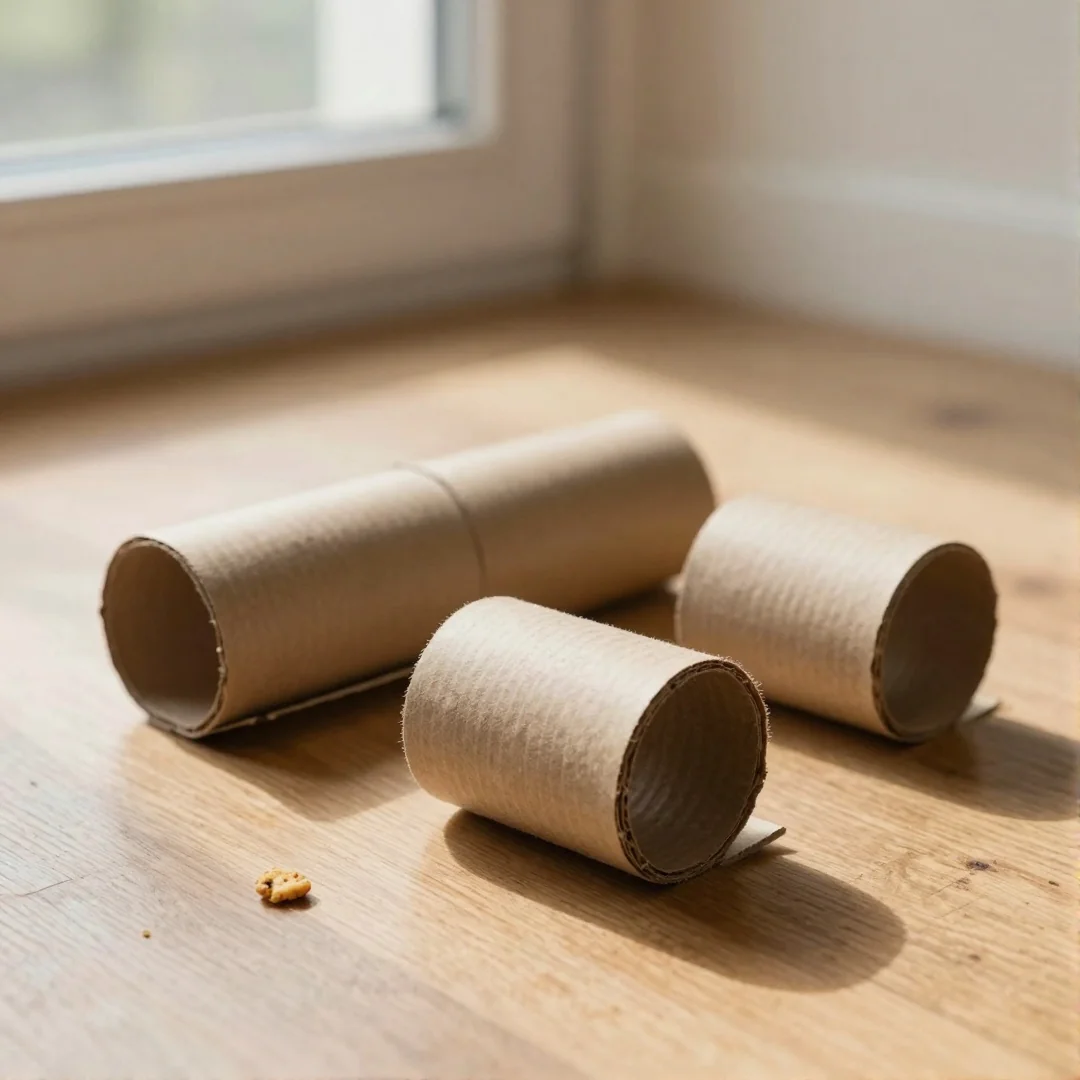
You likely have a stack of empty toilet paper rolls sitting in your recycling bin right now. These simple items are perfect for making diy cat toys that tap into your pet’s natural hunting behavior. To create a quick puzzle feeder, fold in the ends of a roll to close them after placing a few pieces of dry kibble inside. Cut three small holes in the middle that are just slightly larger than the size of the food. Your cat will bat the roll around to dispense the treats.
Always check that the cardboard edges are smooth before play starts. If the paper feels sharp, use scissors to trim any jagged bits or wrap the ends in non-toxic tape. I suggest checking these rolls for tears after every 20 minutes of active play to prevent accidental swallowing of loose pieces. This is an easy DIY cat activity that keeps indoor cats moving.
Felt Catnip Pouches
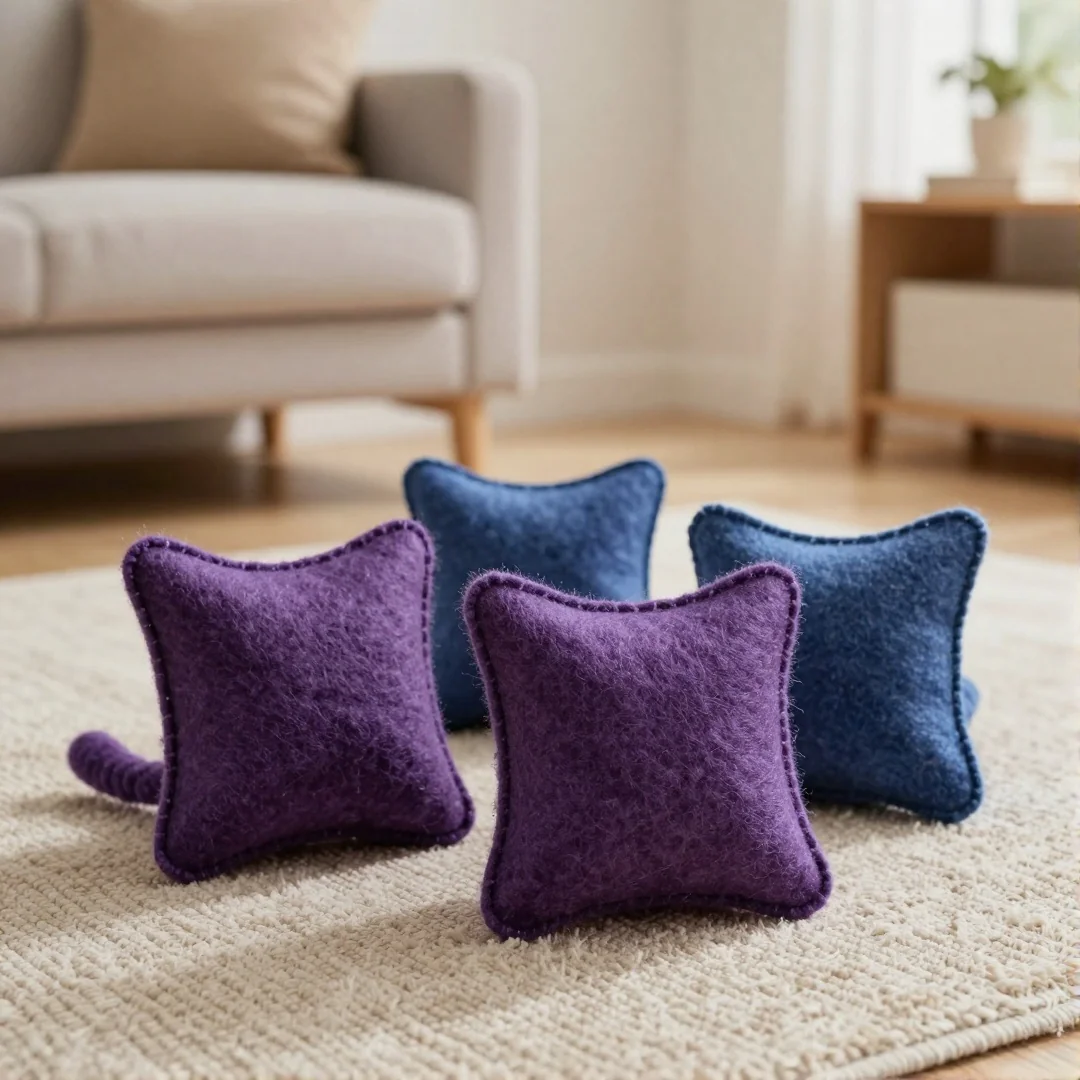
Do you want to create diy cat toys that stand up to rough play? These simple pouches are perfect for satisfying natural hunting behavior because they are small enough for your cat to kick and carry. I prefer using 100 percent wool felt because it is much thicker than the cheap craft store sheets and resists sharp claws for a longer time.
To start, cut two matching shapes about 3 inches wide. Blanket stitch around the edges with durable yarn but leave a small opening for the filling. Stuff the pouch with a tablespoon of organic catnip and a pinch of polyester batting to keep the shape fluffy. Close the seam tight with a secure knot. In my experience, these are the best homemade cat entertainment options for a quick project. Just be sure to trim any loose thread ends, as string can be a hazard if swallowed during intense play.
DIY Shoebox Puzzle Box
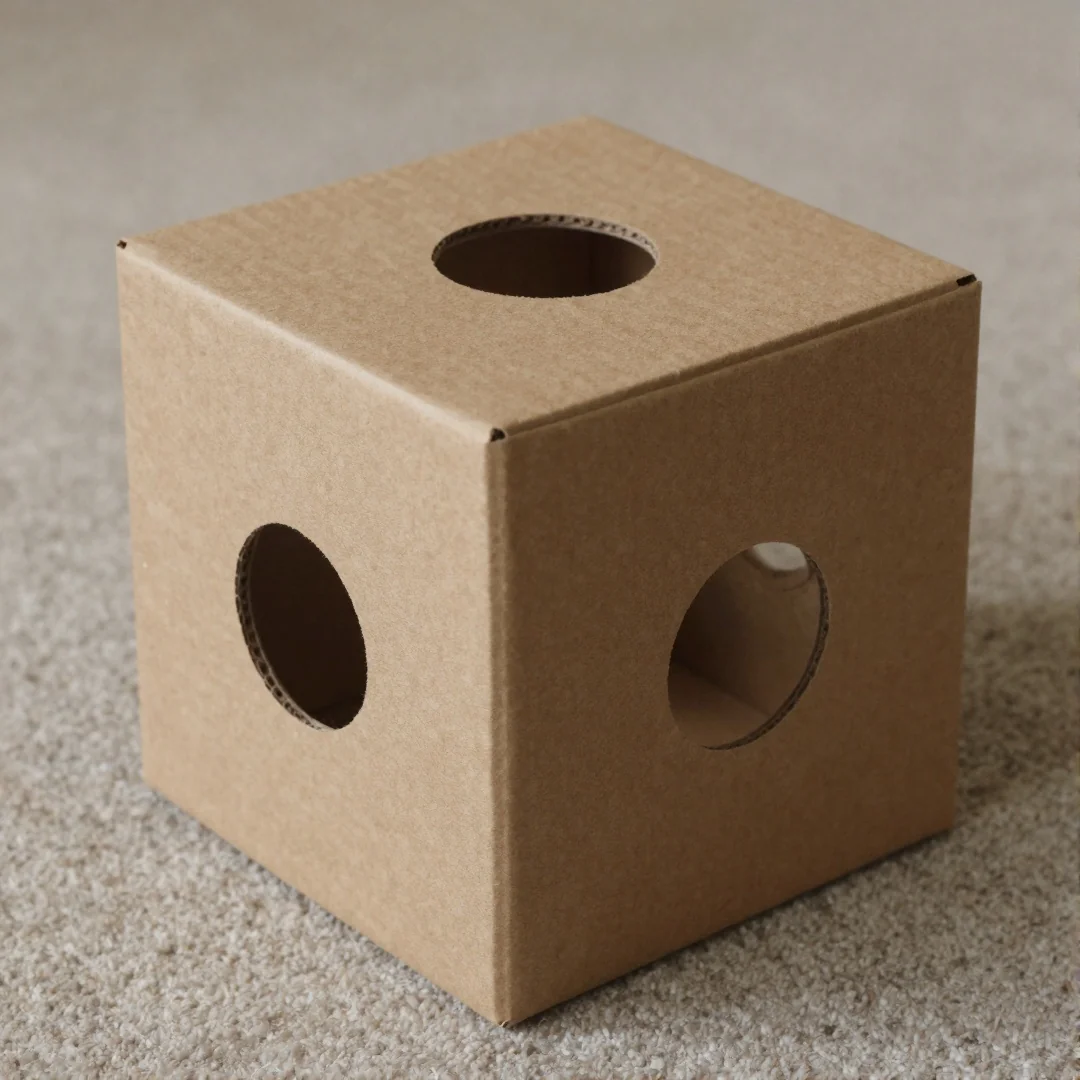
Some people think expensive gadgets are the only way to keep a pet busy, but a simple cardboard box is often all you need. You can transform basic diy cat toys into a mental challenge by using a standard shoe box. First, use a pair of scissors to cut three holes about 3 inches wide into the sides of the box. These entry points mimic the burrows cats hunt in the wild. For better homemade cat enrichment, glue two pieces of scrap cardboard inside to create internal levels or platforms. This forces your cat to reach deep into the dark space to find hidden kibble or treats. Always avoid using hot glue near the edges where your cat might chew on hardened plastic bits. If you want to make it harder, add a few toilet paper rolls vertically to act as tunnels for pawing at items.
DIY Yarn Ball Toys
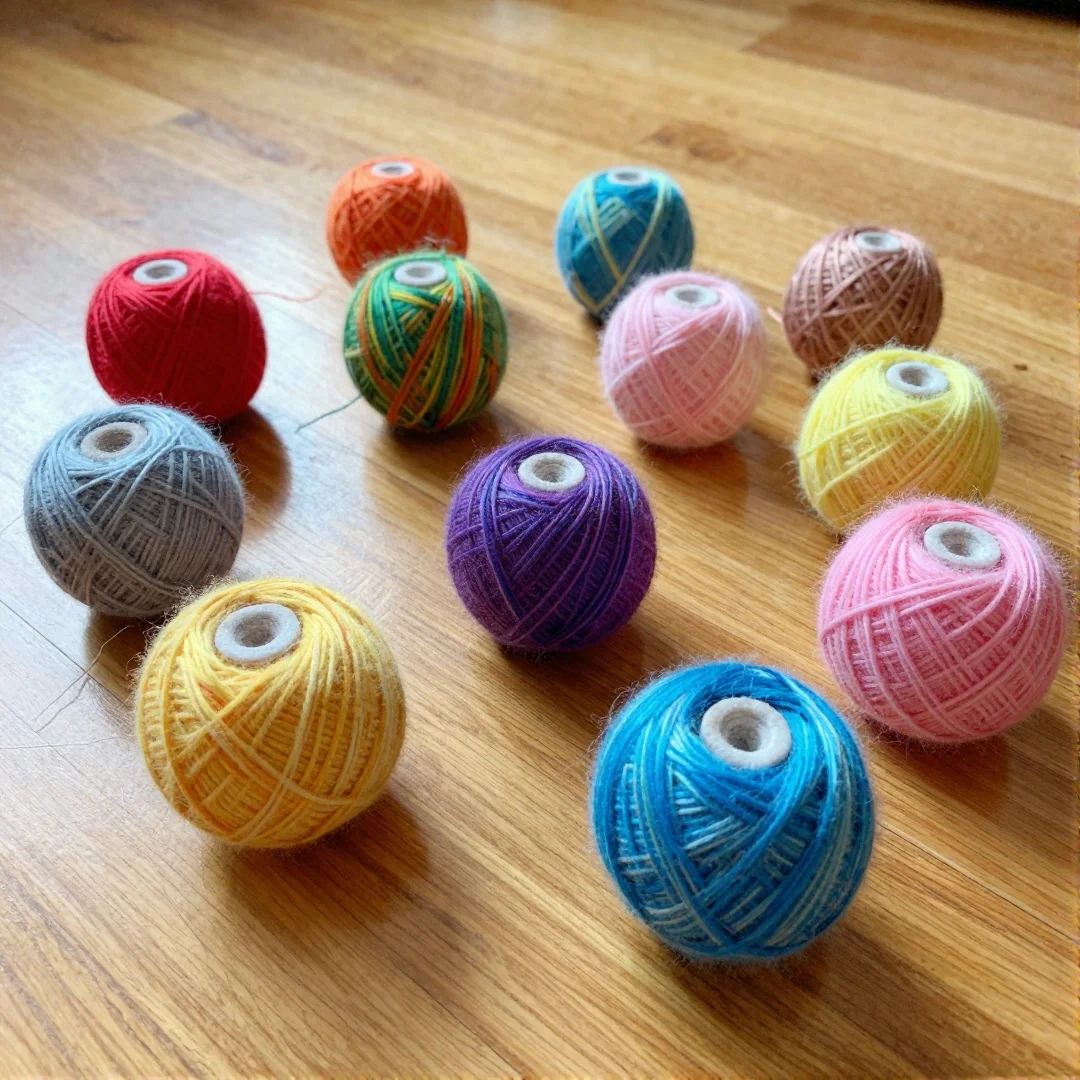
I have found that cats go absolutely wild for the simple texture of rolled yarn. These diy cat toys are surprisingly effective at triggering a cat’s natural hunting instinct because they bounce unpredictably across hardwood floors. To make them, start by wrapping colorful yarn around 1-inch foam balls or even crumpled balls of recycled paper. You can use a small dab of non-toxic glue to secure the end of the string so the ball stays intact during rough play. These projects are among the best cheap cat toys to make because you likely have the supplies sitting in a craft drawer.
Always remember to supervise your cat while they play with these. Yarn is a dangerous material if ingested, as it can cause serious blockages in the digestive tract. If you notice your cat starting to chew or fray the fibers, take the toy away immediately.
Feather Wand Sticks

You can make engaging diy cat toys by securing natural feathers to a wooden dowel. Use a 12 inch long birch dowel to give your cat enough distance to mimic a real bird during playtime. Start by bunching three or four feathers together and wrapping the base tightly with strong cotton twine. Apply a small amount of non-toxic wood glue to the dowel tip before pressing the twine bundle into place. Avoid using hot glue for this part, as the beads can harden into sharp edges that might cut your cat if they chew on them. Once the glue sets for 24 hours, you have a durable wand that triggers natural hunting behavior. Check the feathers before every session to ensure they aren’t loose, as swallowing small parts is a common risk with homemade cat enrichment projects. Keep the wand stored safely when you aren’t actively playing.
DIY Foil Ball Toys
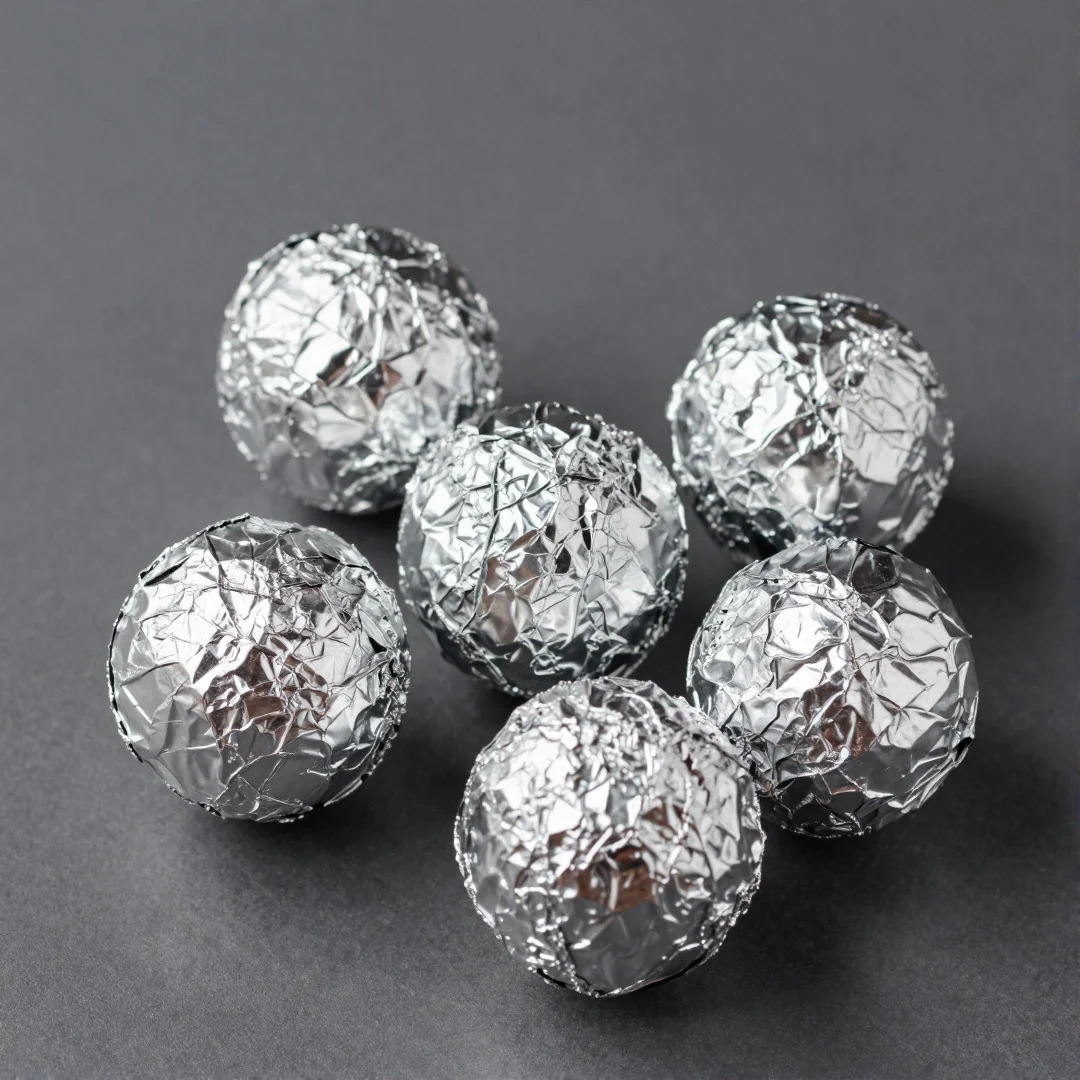
On chilly afternoons when indoor play feels stale, a simple ball of kitchen foil is one of the best diy cat toys you can craft in seconds. This project relies on the crinkly noise produced by the material, which effectively mimics the sound of small rustling prey in the wild. This auditory feedback triggers your cat’s predatory instinct and encourages them to bat, chase, and pounce across the floor.
To make one, take a square of foil about 6 inches wide and crumple it tightly into a sphere. I have found that keeping the surface slightly textured helps the cat grip it with their claws during play. It is a perfect solution for homemade cat enrichment that costs virtually nothing. Just be sure to inspect the ball after each session to ensure your pet has not chewed off small pieces, as these are not safe to swallow.
Shower Ring Chains
You can create a DIY cat toy for less than $2 by recycling leftover plastic shower curtain rings. Store-bought versions often cost over $10, but these plastic loops provide the same clicking sound that mimics predatory instinct. Simply snap the rings together to form a long, moving chain that snakes across your floor.
This project is one of the most effective cheap cat toys to make because it is durable and easy to clean. You can link six rings together to create a lightweight toy your cat can bat around with their paws. The chain moves in unpredictable ways, which encourages your pet to chase and pounce as if they were hunting prey in the wild.
- Connect rings to create a flexible, rattling chain.
- Ensure the plastic is sturdy to prevent breakage during play.
- Avoid adding loose ribbon to prevent ingestion risks.
DIY Crinkle Paper Cat Toys
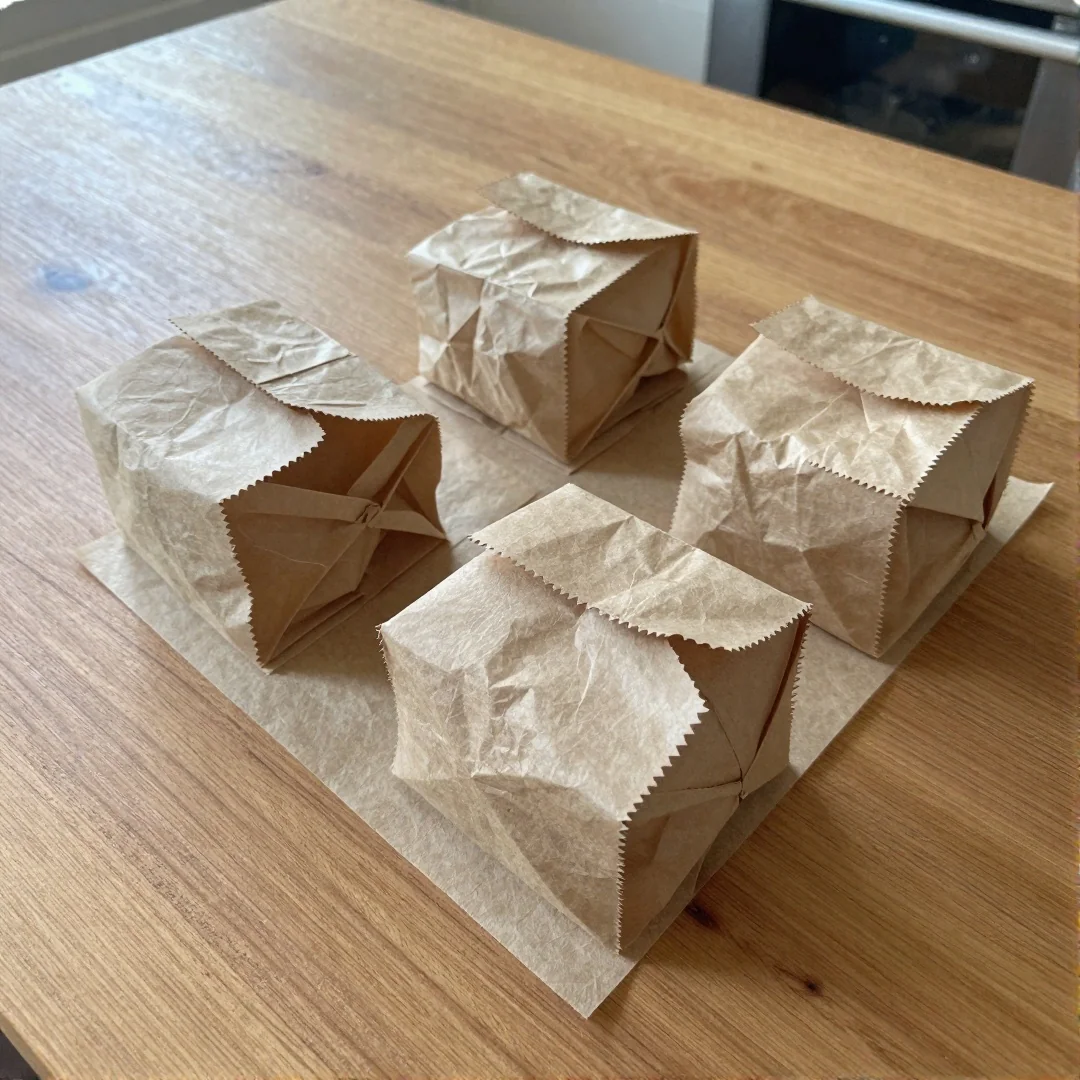
Cats are hardwired to investigate any sound resembling prey scurrying in the grass, making crinkle paper toys an instant hit for indoor pets. You can create these diy cat toys in under two minutes using simple items found in your kitchen drawer. Simply take a single 12 by 12 inch sheet of parchment paper and fold it repeatedly into a tight, dense ball. The stiff texture of the paper creates a loud rustling sound that mimics small animals, which helps satisfy your pet’s natural hunting behavior.
Because these are made from food-safe materials, you don’t have to worry if your cat decides to chew on the edges. When the paper eventually loses its shape or gets torn, cleanup is simple. You just toss the old ball in the bin and fold a fresh one. It is the perfect cheap cat toy for owners seeking quick, noise-based homemade cat enrichment.
Kibble Bottle Puzzles
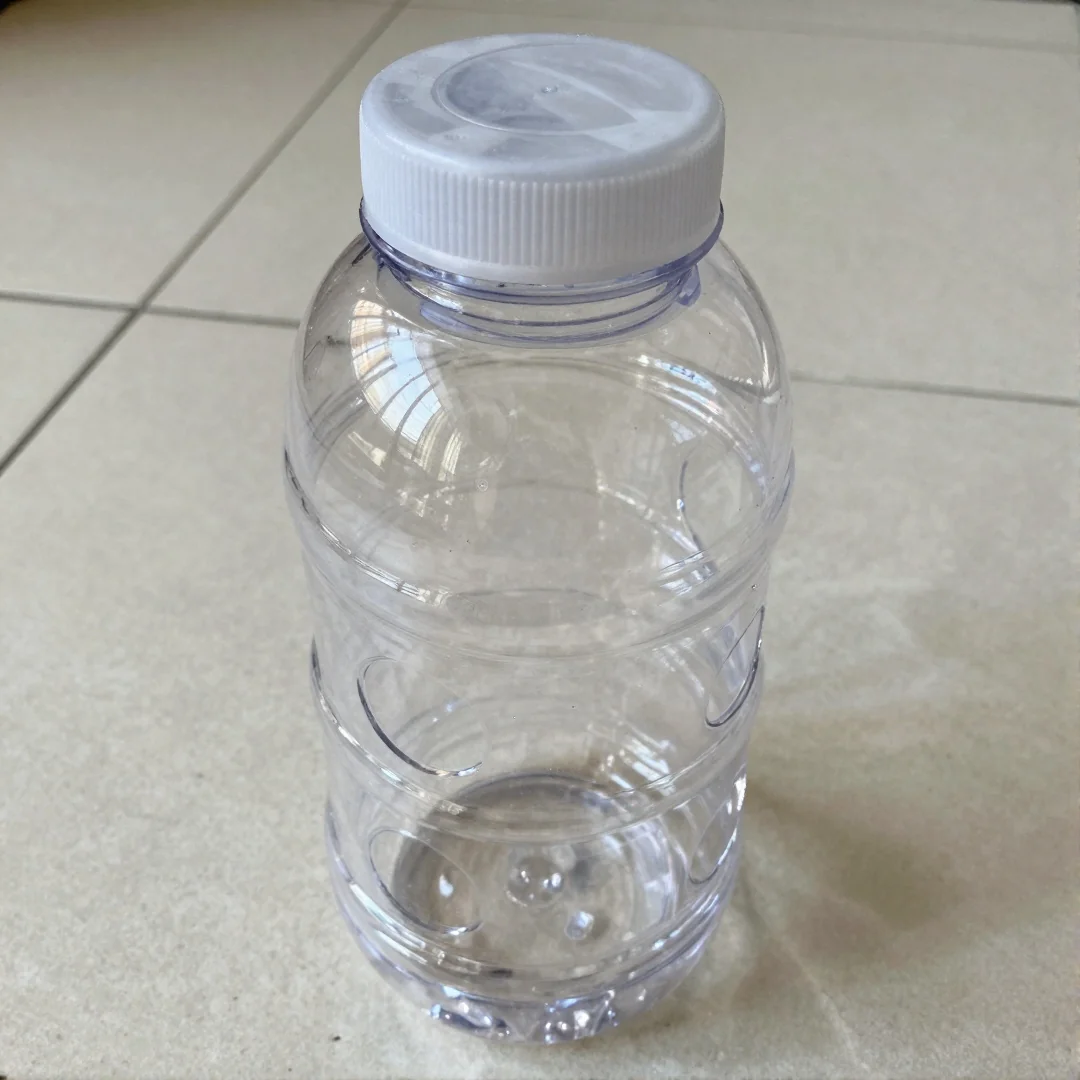
Your cat might finish a meal in seconds, leaving them bored and hungry for more action. Turning a simple water bottle into diy cat toys forces your pet to use their natural hunting instincts to earn every bite of kibble. You just need a clean plastic bottle and a pair of sharp scissors to get started.
Carefully cut three or four holes into the sides of the bottle that are just slightly larger than a single piece of kibble. This creates homemade cat enrichment that keeps high-energy cats busy for at least 15 minutes as they bat the container around to release the food. If your cat finds it too easy, use a smaller drill bit to make the openings tighter. You should always supervise your cat during their first few sessions to ensure they don’t chew off any plastic pieces. It’s a cheap and effective way to turn dinner into a fun game.
Ribbon Wand Toys
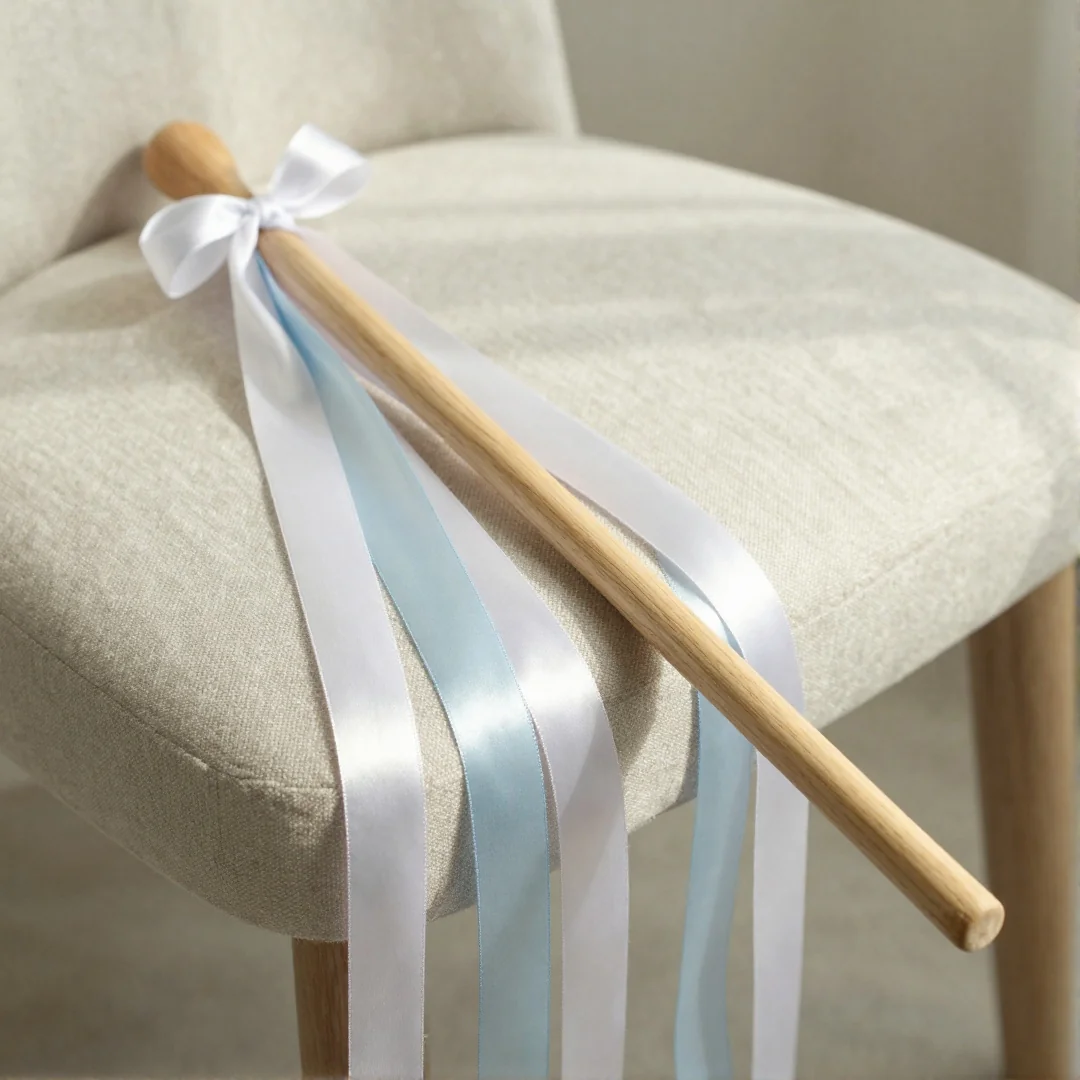
Do you want a simple way to spark your cat’s hunting instincts? You can craft a ribbon wand toy using a flexible wooden dowel or a sturdy plastic rod about 24 inches long. Tie several soft satin ribbon strips to one end of the rod. Secure the knots with a tiny dab of non-toxic glue to keep them from sliding off during active play. This is one of my favorite diy cat toys because it mimics the quick movement of small prey.
Safety is the most important part of making homemade cat entertainment. Take your scissors and trim away any loose strands or fraying edges from the fabric before you start playing. Kittens and curious cats might try to eat loose threads, which can lead to digestive issues. Always inspect the wand for wear and tear after every session. It is a cheap and effective tool to keep your pet moving.
Cardboard Scratching Pads
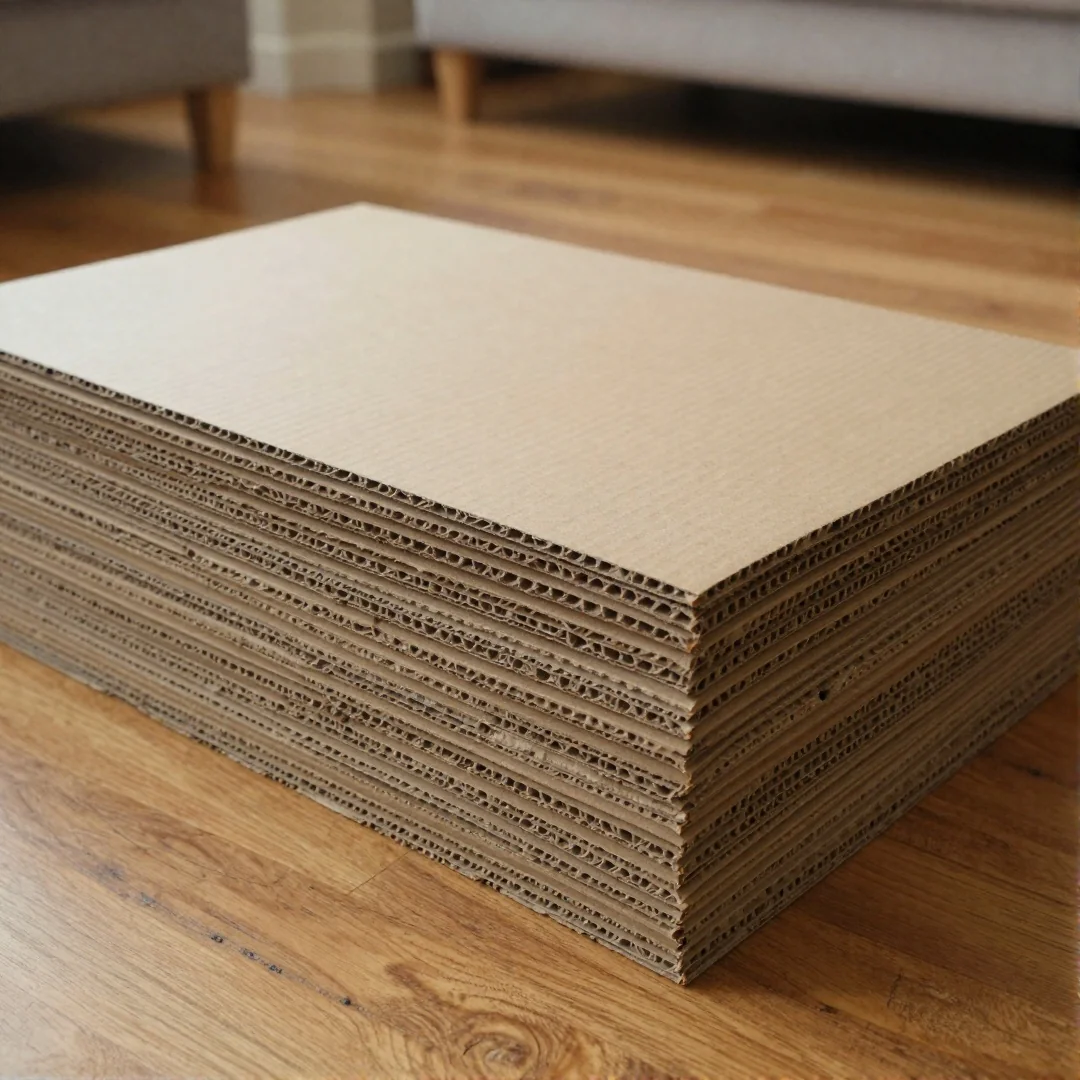
Many owners buy expensive carpeted posts, but your cat actually prefers the texture of rough paper. Making diy cat toys like a custom scratcher is a great way to save money while keeping claws off your sofa. You can build one by cutting flat cardboard into 4-inch wide strips and standing them on their edges inside a shallow box. Keep adding strips until the space is packed tight. This creates a dense surface that mimics tree bark for your pet to shred.
Use a non-toxic glue to secure the layers together at the base so the pad doesn’t shift during active play. Avoid using heavy industrial adhesives that might release fumes. I’ve found that a simple white school glue works perfectly and remains safe if your cat accidentally bites a piece. Once the adhesive dries, sprinkle some organic catnip into the grooves to encourage immediate interest in your new creation.
Sock Catnip Mice
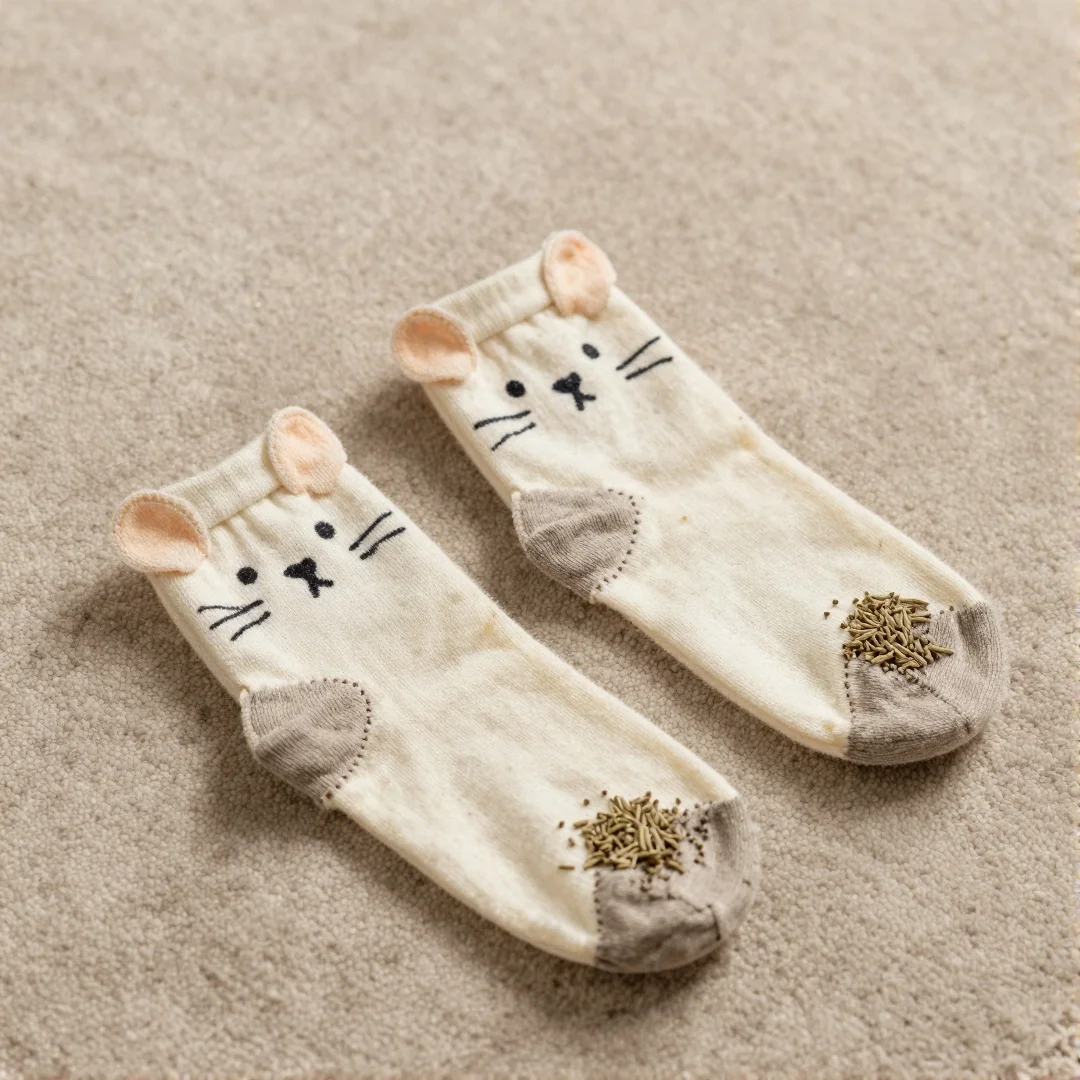
I have found that my energetic tabby ignores expensive store toys but goes wild for a simple scrap of fabric. Making sock catnip mice is one of the easiest diy cat toys you can start today. All you need is a clean, lonely sock that lost its partner in the laundry. Fill the toe area with two tablespoons of high-quality dried catnip to trigger your pet’s predatory instincts.
Once the herbs are inside, twist the remaining fabric tightly and tie it into three secure knots to ensure the contents stay trapped. You can trim the excess fabric with scissors to create a small tail for your cat to grab. These homemade items are perfect for batting across hardwood floors. Just make sure the sock does not have loose threads that your cat might accidentally swallow during play. Rotating these toys every few days keeps the novelty alive and prevents boredom.
Paper Bag Fun
You can create simple diy cat toys using standard brown paper bags from the grocery store. These provide an instant hiding spot that triggers a cat’s natural hunting instinct without costing a single cent. Just place an open bag on its side on a flat floor to give your pet a crinkly tunnel for pouncing practice. I find that placing a small pinch of dried catnip inside the bag makes the space much more enticing for shy cats.
Always take a pair of scissors and cut off the paper handles before letting your cat play. These loops pose a serious risk because a cat can get their head or paw stuck, which leads to accidental choking. If you want to make these homemade cat entertainment pieces last longer, choose bags made of thick cardboard paper. A bag typically lasts for about 3 days of active play before it needs recycling.
DIY Cardboard Roll Feeders
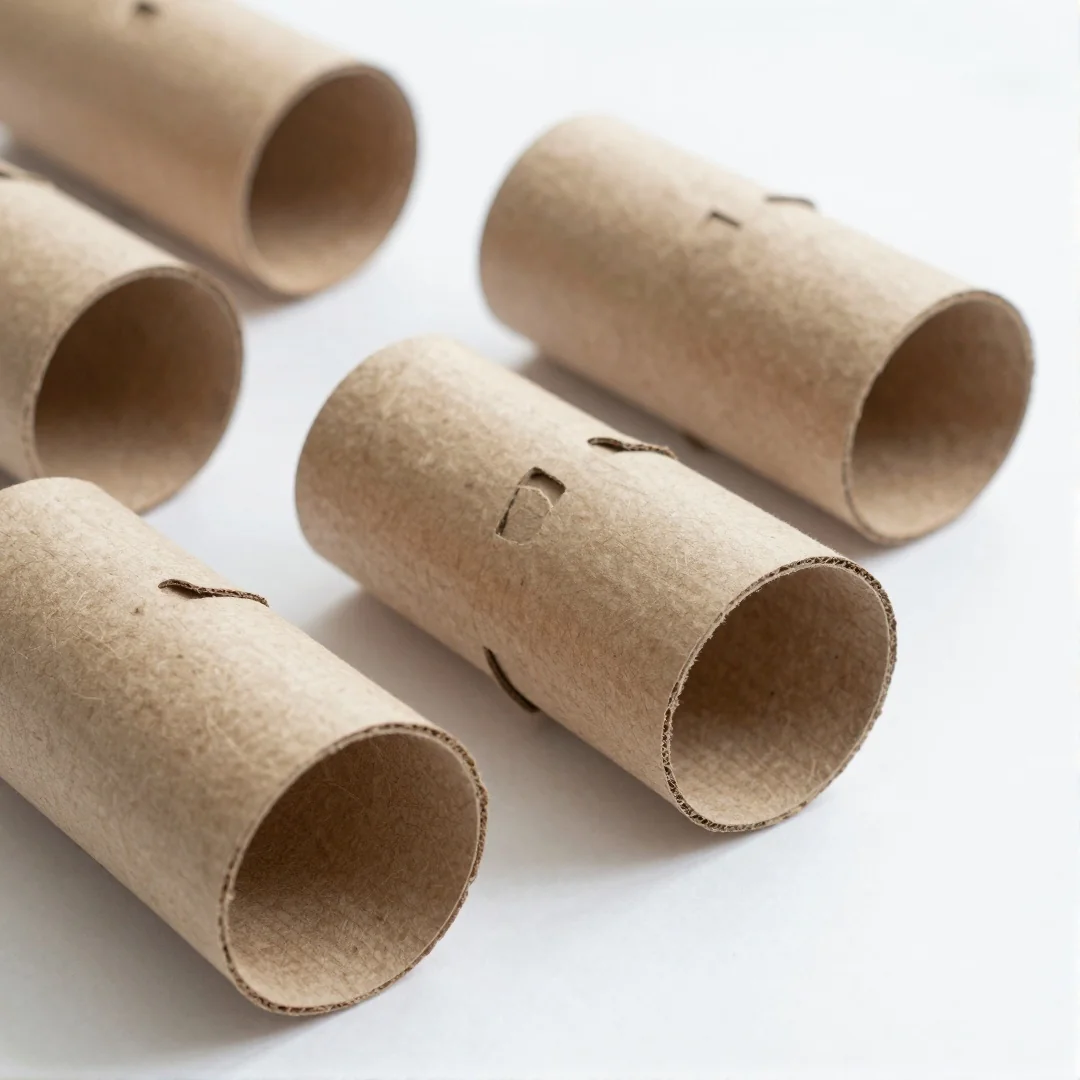
Winter days are perfect for staying inside and crafting diy cat toys that tap into your pet’s natural hunting instincts. A simple toilet paper roll is an ideal base for a puzzle feeder that encourages your cat to work for their food. By folding the ends of the cardboard tube inward to seal them, you create a hidden compartment for a small handful of dry kibble. The cat must bat, roll, and nudge the tube across the floor to get the treats to fall out through the small openings.
This mimics the natural foraging behaviors wild cats use to find meals in the brush. You can easily make homemade cat enrichment tools like this in under 2 minutes. Just ensure you use plain, unprinted cardboard without any toxic adhesives or staples. If your cat is a heavy chewer, supervise their initial play to prevent them from eating pieces of the paper.
Felt Strip Teasers
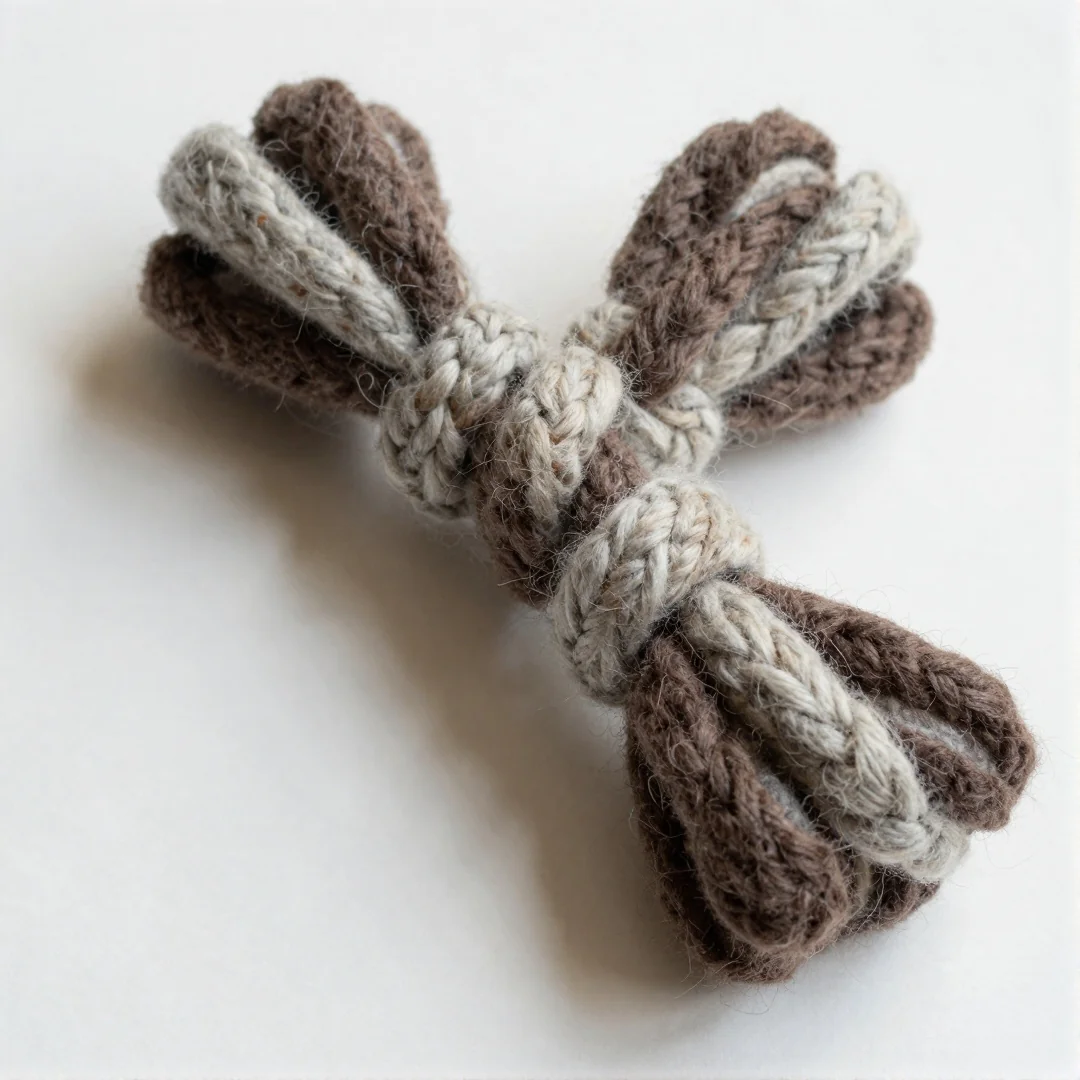
Store-bought teasers often cost $15, but these diy cat toys require only $2 of felt scraps. Braiding three strips of wool felt creates a dense, sturdy tug toy that stands up to sharp claws and teeth much better than thin ribbon. To make one, cut your felt into three strips measuring 12 inches long and 1 inch wide. Knot them tightly at one end and braid them firmly until you reach the bottom. Secure the end with a second tight knot to keep the structure from unraveling during active play. Using 100% wool felt is the best material choice because it is durable and does not fray into dangerous plastic strands if your cat decides to chew it. These homemade items are perfect for tapping into your cat’s predatory instinct as you drag the braid across the floor to mimic moving prey.
DIY Cardboard Puzzle Board
Cats spend 70 percent of their day sleeping, but they need intense mental stimulation during those waking hours to stay healthy. A cardboard puzzle board is one of the most effective diy cat toys for tapping into natural hunting behavior. To build one, take a shallow tray base and glue various cardboard scraps or toilet paper rolls inside. Use non-toxic hot glue to secure each piece firmly so your cat cannot ingest loose bits. You can hide kibble or small treats inside the rolls to create a homemade cat enrichment challenge that forces your pet to fish out their food.
For a basic layout, you can finish this project in about 20 minutes. If you want to design a more complex maze with multiple levels or hidden compartments, expect to spend closer to 60 minutes. Always inspect the edges for stray glue strings before letting your cat play.
Treat Dispensing Tubes
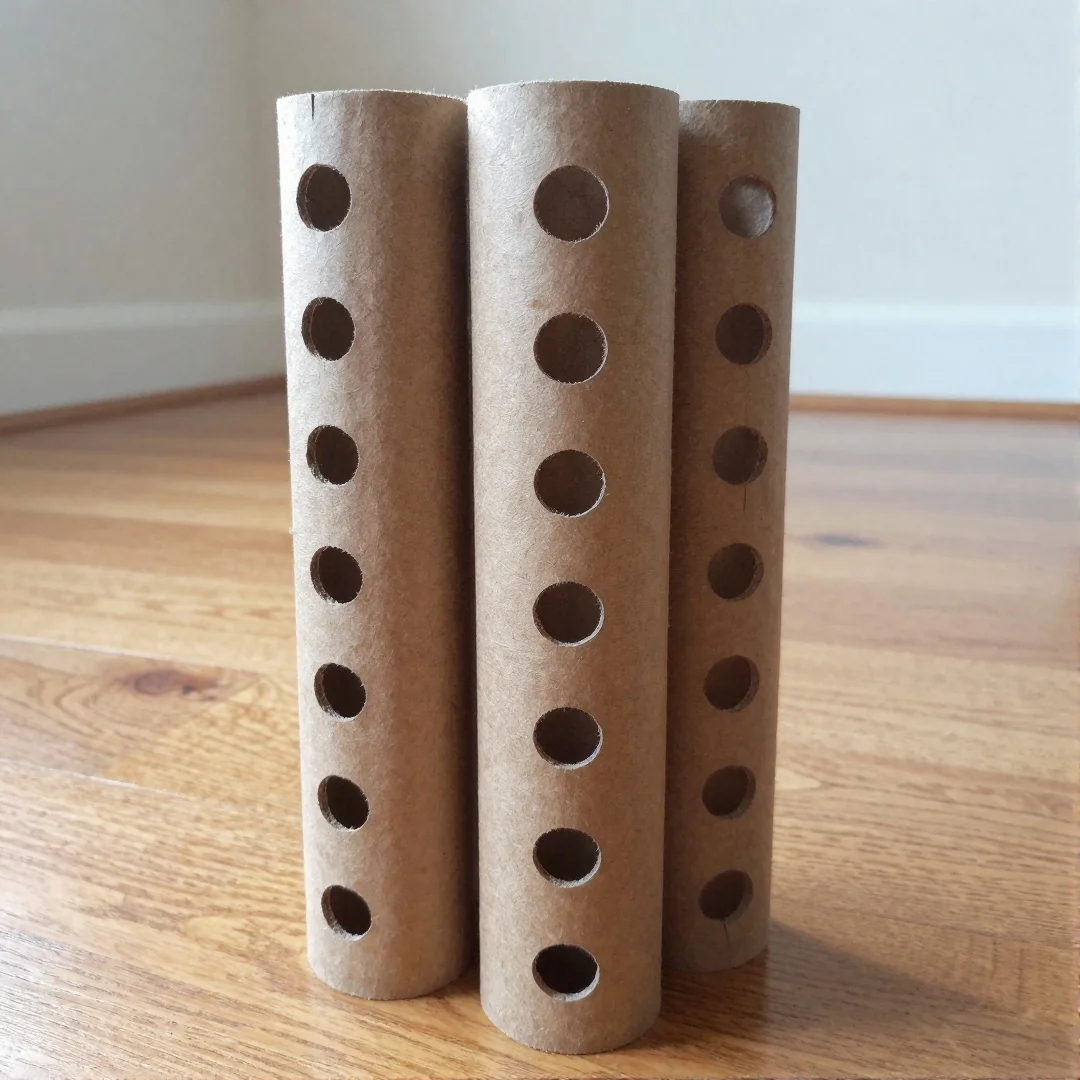
You probably have a stash of empty toilet paper rolls sitting in your recycling bin right now. These make excellent diy cat toys because they tap into natural hunting instincts as your pet bats them around to release food. Start by taking a sturdy cardboard tube and using scissors to punch 4 holes along the sides. Make sure each hole is slightly larger than a piece of dry kibble so the snacks fall out during play. This is one of the easiest homemade cat enrichment projects because it requires zero glue or toxic materials. Once the holes are ready, fold the ends of the tube inward to seal them. I have found that testing the toy with your cat is vital. If your feline is a high energy hunter, they will likely toss this around immediately. If they seem confused, try adding a pinch of dried catnip inside to spark their interest.
Fabric Scraps Balls
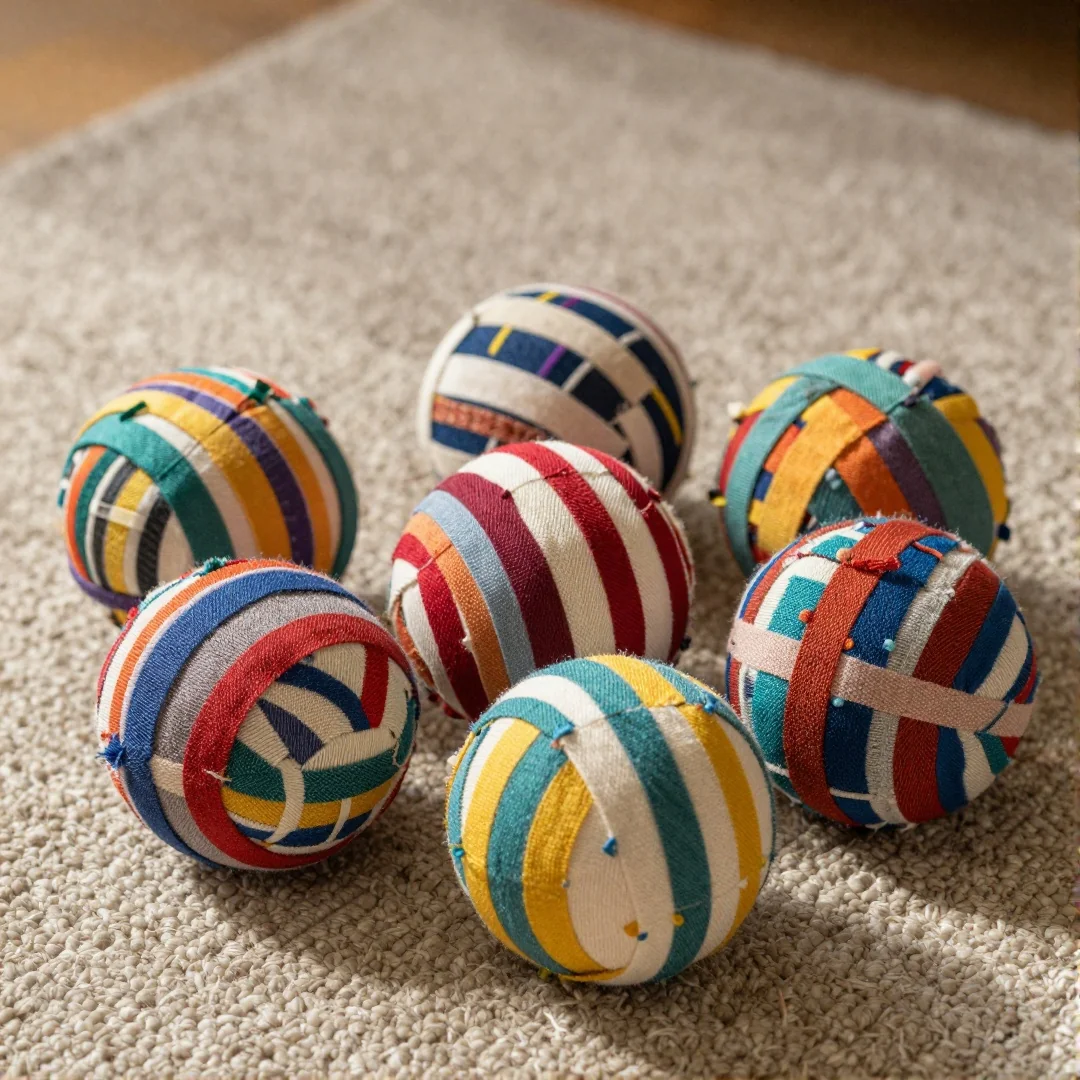
Do you have a pile of leftover fabric sitting in your craft drawer? You can turn those remnants into diy cat toys that satisfy your pet’s hunting instincts. Simply cut your fabric into strips that are about 1 inch wide and 6 inches long. Layer these strips over each other and tie them tightly in the center with a double knot. Keep adding and tying strips until the bundle forms a dense, bouncy sphere that is roughly 3 inches in diameter.
Always choose machine washable fabric like cotton or flannel so you can easily clean the ball after your cat bats it around the house. Avoid using synthetic materials that might fray into long, dangerous strings. These homemade cat enrichment tools are perfect for active play, but check them for loose threads after every session to ensure your cat stays safe during their daily exercise.
Feather Teaser Wands
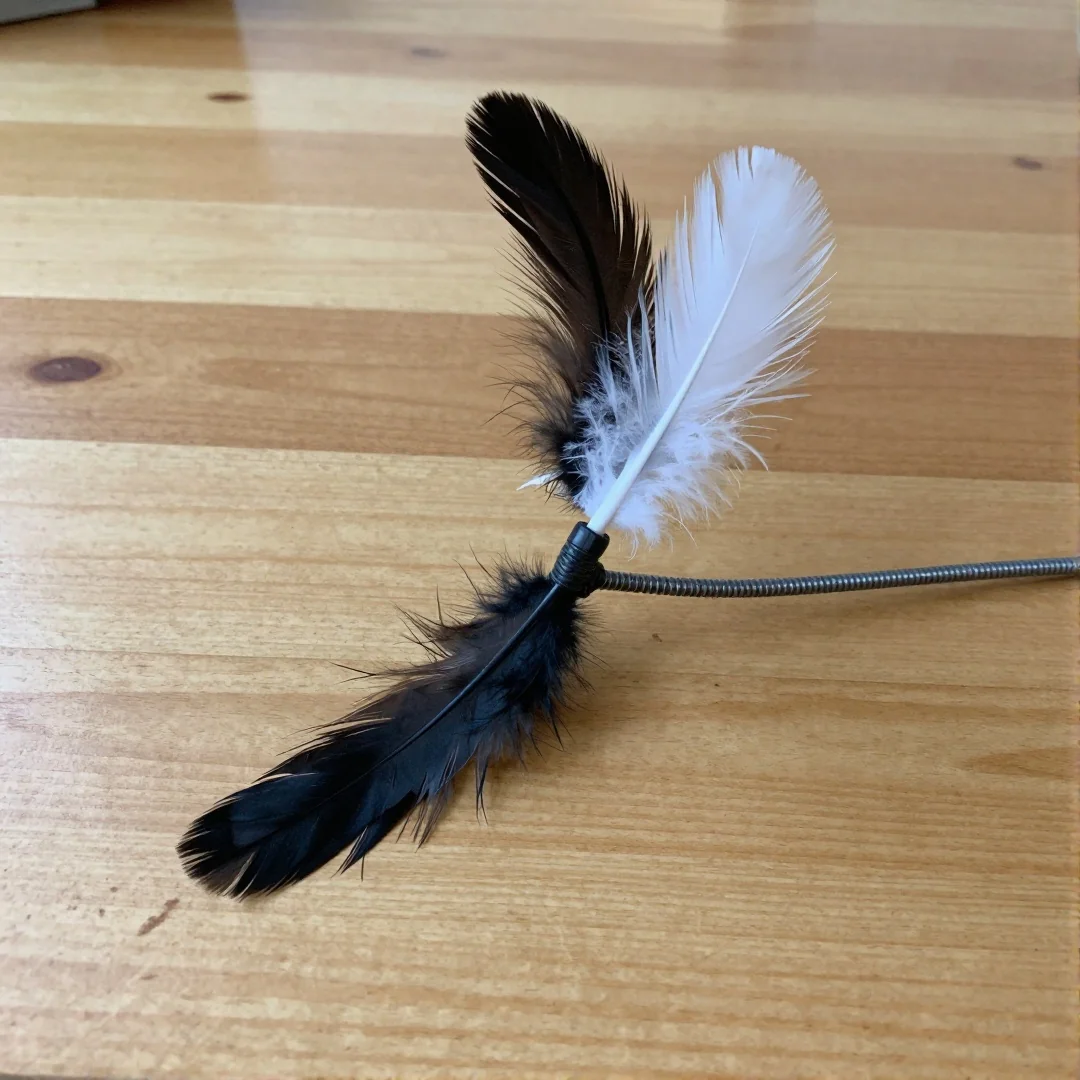
Store-bought wands often snap after one rough play session, but making your own ensures you can repair them cheaply. Many owners think a rigid stick is essential, but using elastic string creates a bouncy, unpredictable movement that mimics real prey much better than stiff wire. When building these diy cat toys, attach a bundle of colorful feathers to the end of a 30-inch piece of nylon cord. Secure the other end to a sturdy wooden dowel using non-toxic hot glue.
Cats lose interest when a toy stays in the same spot for weeks. I find that regular toy rotation is the best way to keep your cat engaged. Keep your homemade cat enrichment tools in a closed box and swap them out every seven days. If the feathers become frayed or the string looks loose, replace those parts immediately to keep the play session safe and exciting.
For another perspective, this detailed piece on What is your fave DIY cat toy? : r/CatAdvice is worth a read.
FAQ
Are glue and small parts safe?
I have found that sticking to non-toxic craft glue or packing tape is the safest way to assemble diy cat toys. Avoid using hot glue if your pet is an aggressive chewer, as small bits of hardened plastic can pose a choking hazard.
How do I stop boredom?
Cats often ignore toys that stay on the floor all day, so try rotating your stash every 3 days. Keeping a collection of 5 items hidden in a drawer helps maintain the excitement of a new hunting experience whenever you bring them out.
How to help timid cats?
If your pet is shy, place the new object in the middle of the room and let them investigate it at their own pace. You can rub a pinch of dried catnip on the surface to encourage them to approach the item without feeling pressured.
Are cardboard rolls safe?
Yes, cardboard from toilet paper rolls is perfectly fine for your cat to bat around or shred. Just make sure to remove any leftover paper glue or sticky residue before handing it over to your pet for playtime.
Can I add scent?
Adding a small amount of organic catnip inside a felt pouch or an old sock is an excellent way to boost interest. I recommend using about 1 teaspoon of dried leaves to keep the scent potent without making a mess on your carpet.
You might also like: 16 Baby Shower Gift Wrapping Ideas That Look Amazing
Key Takeaways
Always inspect your homemade projects for loose parts or toxic adhesives before letting your pet play with them.
- Prioritize material safety by avoiding toxic glues or loose strings that could cause choking if swallowed.
- Source sustainable items like recycled cardboard or natural wool yarn to create eco-friendly diy cat toys.
- Rotate your collection every 7 days to keep your cat interested in their homemade enrichment and prevent boredom.
- Use simple fasteners like shower curtain rings or non-toxic parchment paper to secure parts during assembly.
- Introduce novelty slowly by keeping only 3 items out at once to mimic the hunting instinct effectively.
Pin this guide to your favorite pet board so you always have fresh ideas for your next afternoon project.