23 Outdoor Living Room Ideas for Elevated Style
Introduction
Homeowners in the U.S. spent over $23 billion on outdoor living improvements in 2024 alone — and that number keeps climbing as backyards transform into genuine rooms with roofs, rugs, and real furniture. These Outdoor Living Room Ideas have moved far beyond a couple of patio chairs and a grill.
In 2026, elevated outdoor style means creating a space that feels just as intentional and comfortable as your favorite indoor room — with weather-resistant materials that don’t sacrifice beauty, layered lighting that works after sunset, and seating arrangements that actually invite conversation.
It means designing with purpose, not just filling a patio with whatever fits.
For another perspective, this detailed piece on 75 Outdoor Ideas You’ll Love – July, 2026 is worth a read.
Inside this article, you’ll find 23 specific, actionable ideas covering everything from anchor furniture choices and textile layering to fire features, shade structures, and outdoor rugs that define a space.
Whether you’re starting with a bare concrete slab or refreshing an existing setup, at least one idea here will change how you use your outdoor space this season.
1. Define Your Outdoor Living Room Layout First
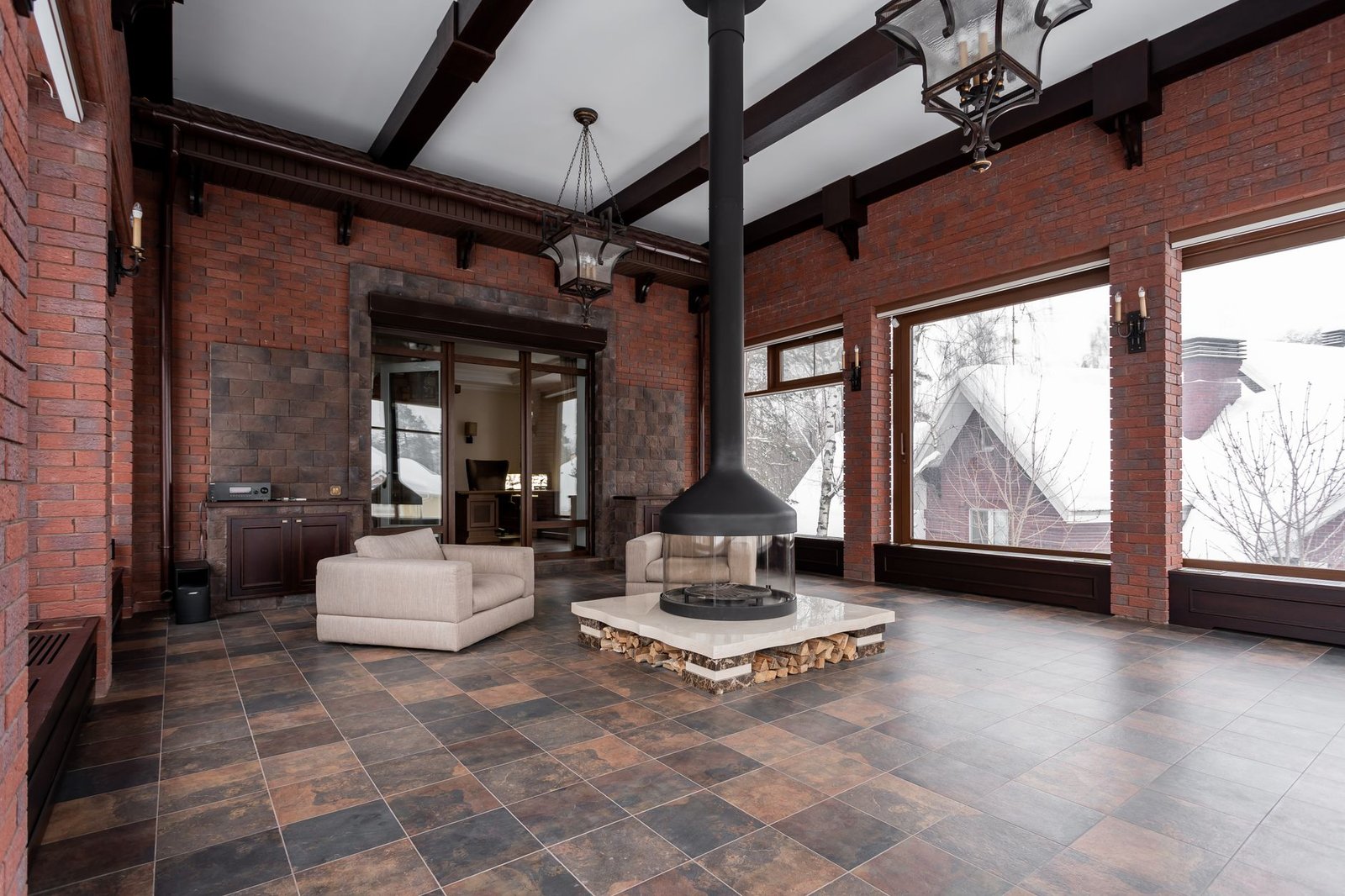
You’ve got a beautiful patio but no idea where to put the sofa, the dining table, or the fire pit — and everything ends up pushed against the wall. Sound familiar? Before shopping for furniture or accessories, mapping out your layout is the single most important step.
Start by sketching your outdoor space to scale and dividing it into distinct zones: one for seating and conversation, one for dining, and one for relaxed lounging. Treating each zone as its own functional room helps the entire space feel intentional rather than cluttered.
Traffic flow matters just as much outdoors as it does inside your home. Leave at least 36 inches of walkway between furniture groupings so guests can move comfortably from the dining area to the lounge chairs without squeezing past.
Space size directly shapes every design decision you make. A compact 10×12-foot patio calls for streamlined, multi-purpose pieces, while a sprawling backyard can support layered zones with rugs and dividing elements like planters or pergolas.
When exploring Outdoor Living Room Ideas for your specific square footage, consider these layout priorities:
- Anchor the seating zone with a large area rug to visually define the space
- Position the dining area closest to the kitchen door for easy access
- Place the lounging zone in the shadiest or most private corner
A clear layout makes every subsequent design choice easier — and far less expensive to change if something isn’t working.
2. Choose Weather-Resistant Furniture That Looks Luxurious
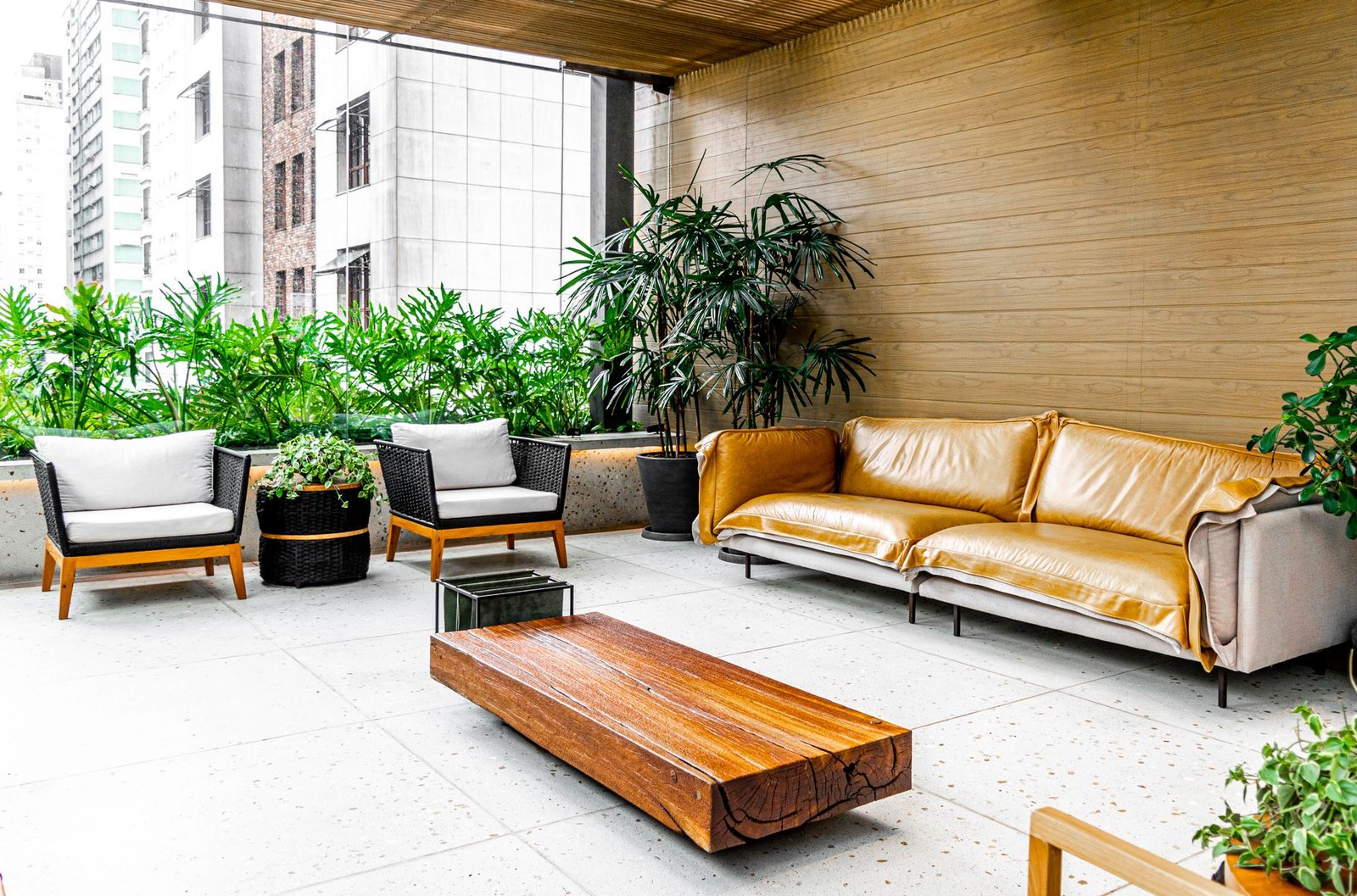
Have you ever fallen in love with a patio set only to watch it warp, rust, or fade after a single season? Choosing the right materials from the start saves you money and heartbreak.
When exploring Outdoor Living Room Ideas, the material of your furniture matters just as much as the style. Teak, powder-coated aluminum, and all-weather wicker are the three workhorses of durable outdoor furniture — each offering a distinct look without sacrificing longevity.
Teak develops a beautiful silver-gray patina over time and naturally resists moisture and insects. Aluminum stays rust-free and lightweight, making it easy to rearrange your space seasonally. All-weather wicker gives you that relaxed, organic texture at a more accessible price point.
For different budgets, consider these reliable options:
- Budget-friendly: IKEA’s ÄPPLARÖ collection starts around $150 for accent pieces
- Mid-range: Pottery Barn Outdoor and Crate & Barrel offer solid aluminum sets between $800–$2,500
- Investment-level: Restoration Hardware’s teak collections and Brown Jordan for premium craftsmanship
Don’t overlook your cushions. Sunbrella fabric is an industry standard for outdoor upholstery because it resists fading, mildew, and moisture while feeling soft against bare skin.
A good cushion set in Sunbrella typically runs $200–$400, but it will outlast three sets of cheaper alternatives without losing its color.
3. Outdoor Living Room Ideas Using Pergolas as a Focal Structure
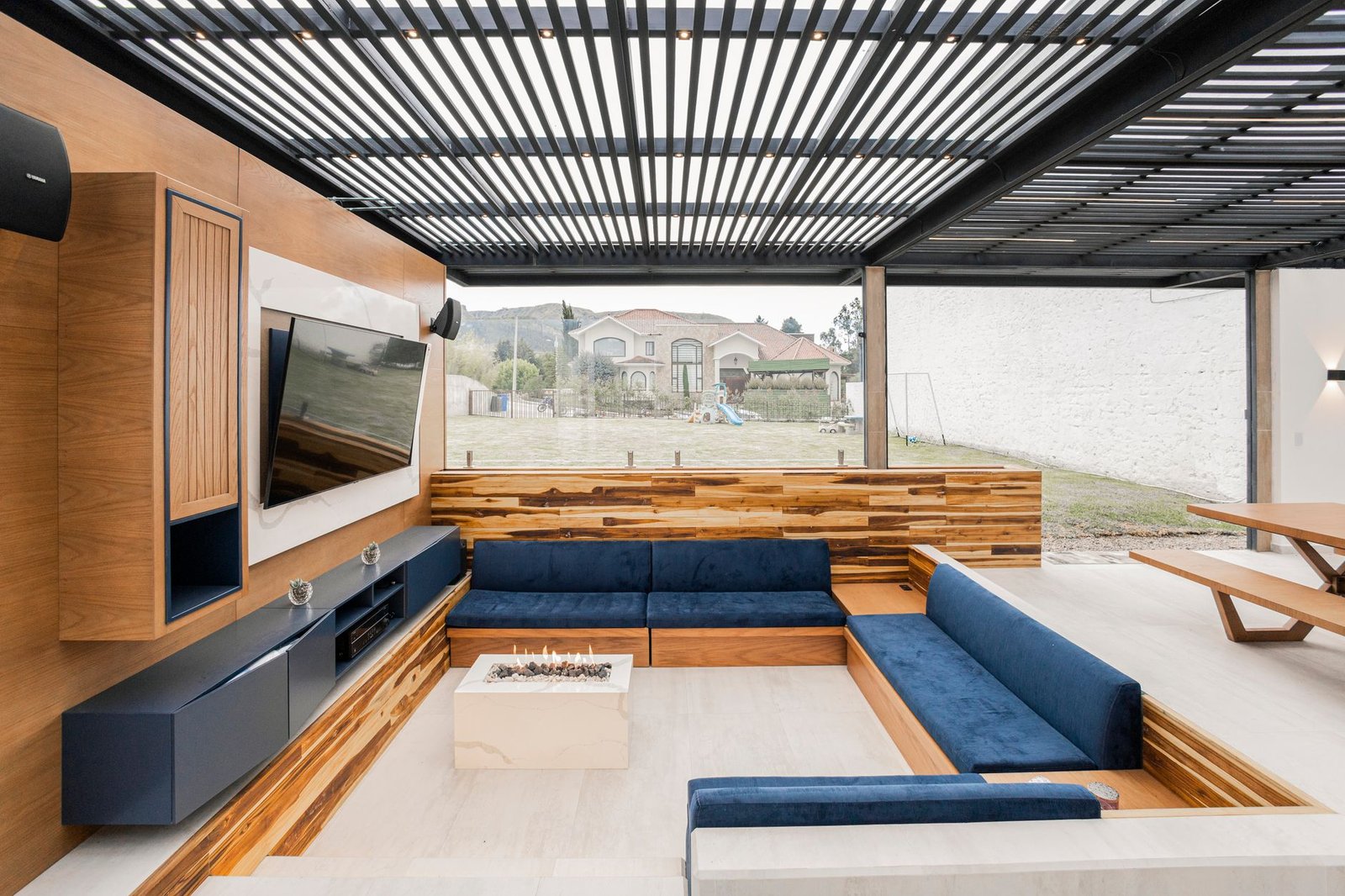
Many homeowners assume a pergola is just a decorative accent — in reality, it functions as the bones of your entire outdoor space, giving the area walls, a ceiling reference, and a clear sense of enclosure without feeling boxed in.
Pergolas define the room by anchoring furniture arrangements beneath them and signaling to guests exactly where the gathering space begins and ends. That architectural clarity is what separates a thoughtfully designed patio from a random collection of chairs on concrete.
When selecting materials, each option brings something different to the table:
- Wood pergolas (cedar or redwood) deliver warmth and a natural grain but require sealing every two to three years
- Vinyl pergolas resist moisture and need almost zero maintenance, though they can look slightly flat up close
- Aluminum pergolas are the lightest option and often include adjustable louvered roofs, with entry-level kits starting around $1,200
Once your structure is standing, layering in ambiance is straightforward. Train climbing roses, jasmine, or wisteria up the posts to soften the frame with natural texture and fragrance.
Draping warm-toned string lights across the beams adds an inviting glow after sunset, which is one of the most requested Outdoor Living Room Ideas among designers working on evening-friendly spaces.
Even a simple pergola transforms an open backyard into a room with a genuine sense of place.
4. Create Distinct Zones With Outdoor Rugs
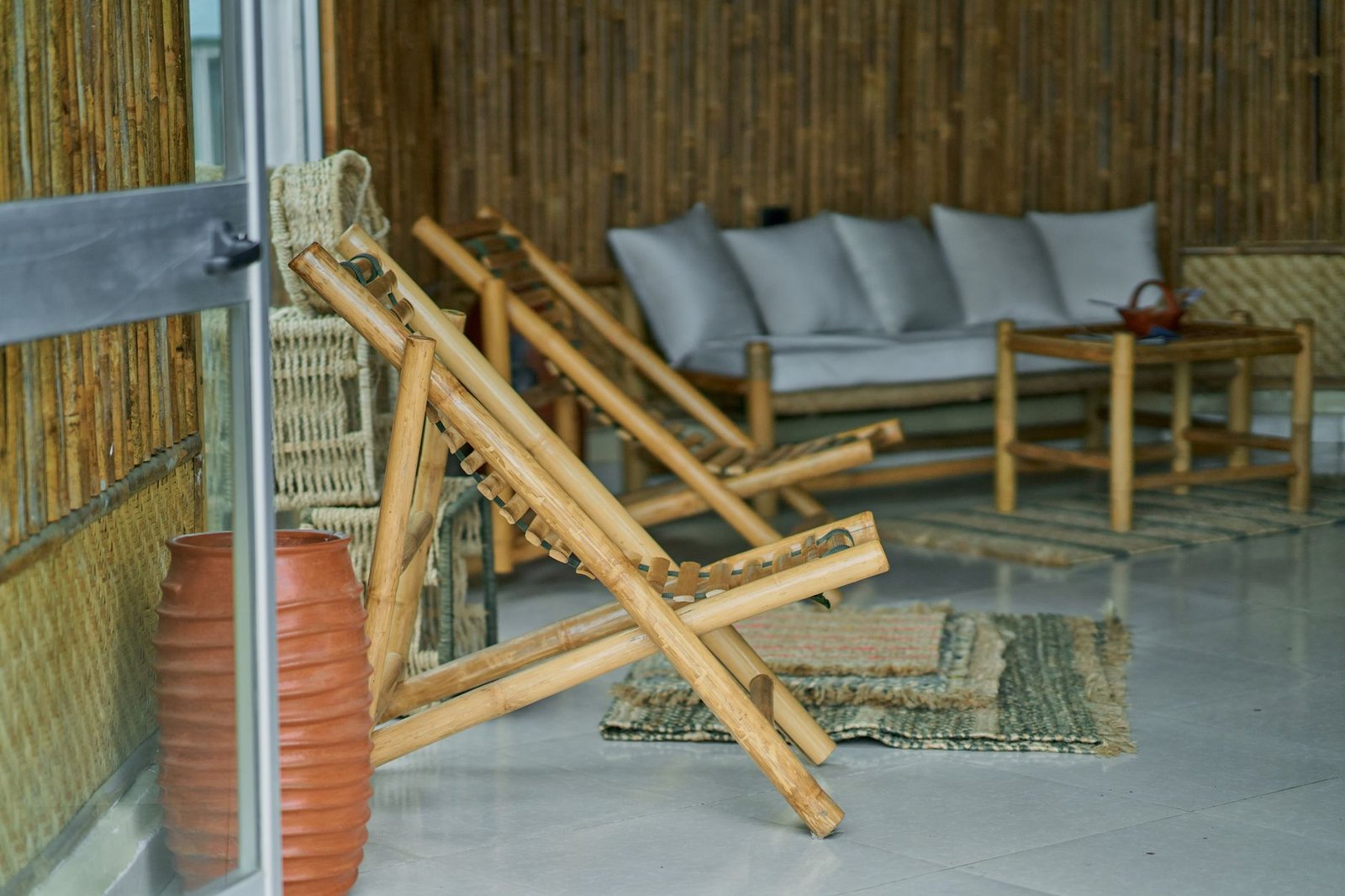
There’s something almost magical about how a rug can transform a sprawling patio into a space that actually feels like somewhere you want to linger — it’s one of my favorite tricks for making outdoor spaces feel genuinely pulled together.
Just like inside your home, an outdoor rug anchors your seating area and signals to guests that this is the gathering spot. It defines the boundaries of your arrangement without needing walls or dividers, giving the whole setup a sense of intention and warmth.
When shopping for materials, polypropylene rugs are the clear frontrunner for outdoor use. They resist moisture, mildew, and UV fading, making them sturdy enough to handle rain, spilled lemonade, and everything in between.
For sizing, aim for a rug that’s at least 8×10 feet for a typical four-seat conversation area — anything smaller tends to look like an afterthought rather than a design choice.
One of the best Outdoor Living Room Ideas I’ve seen in action is layering two rugs for a boho-chic effect. Place a natural jute-look polypropylene base underneath a smaller, patterned topper for a collected, styled look that feels anything but basic.
- Choose flatweave or low-pile styles for easy cleaning
- Anchor rug corners with furniture legs to prevent shifting in wind
- Layer patterns and textures rather than matching them exactly for a lived-in feel
5. Make a Fireplace or Fire Pit the Centerpiece
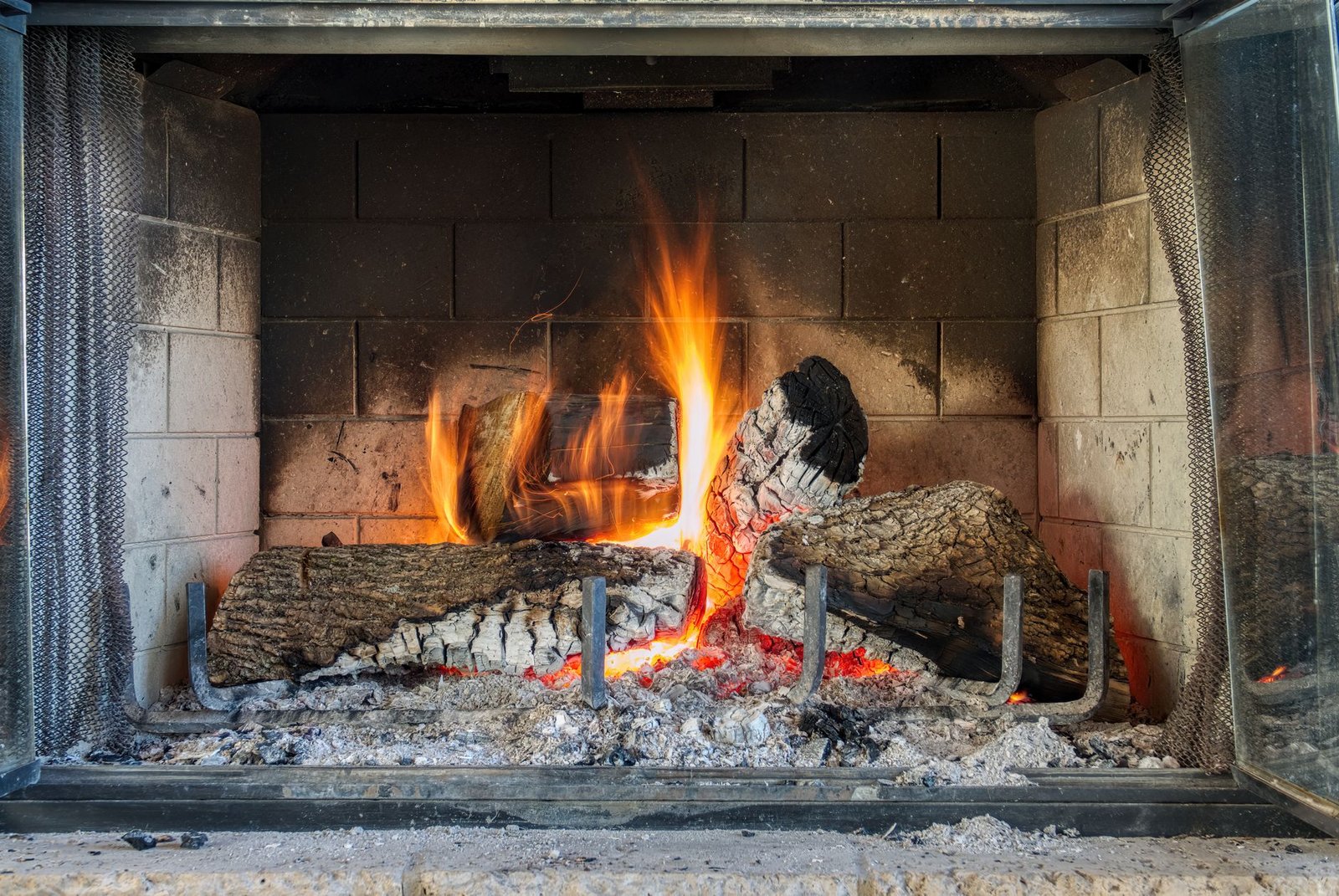
Before choosing a fire feature, measure your patio carefully — you need at least 7 feet of clear space between the fire source and any seating or structure.
Built-in outdoor fireplaces feel architectural and permanent, lending a true indoor-room quality to your backyard. They work best against a wall or within a covered pergola where they anchor the entire space visually.
Portable fire pits, on the other hand, cost anywhere from $80 to $800 and offer flexibility if your layout shifts with the seasons. You can move them to follow the conversation or tuck them away during warmer months when you simply don’t need the warmth.
Either option dramatically extends how many months you actually use your outdoor space. A fire feature can push your comfortable outdoor season from late October well into December in many climates.
When arranging seating, these layout principles help the space feel intentional rather than accidental:
- Position chairs and sofas in a gentle arc, never a straight line, so everyone faces both the fire and each other
- Keep a clear walking path of at least 3 feet around the perimeter
- Use a round or square coffee table between seats to create a defined gathering zone
This is one of the most welcoming Outdoor Living Room Ideas because fire naturally draws people together. Layering in weather-resistant cushions and throw blankets around the feature makes the whole setup feel genuinely cozy rather than just decorative.
6. Elevated Outdoor Living Room Ideas With Statement Lighting
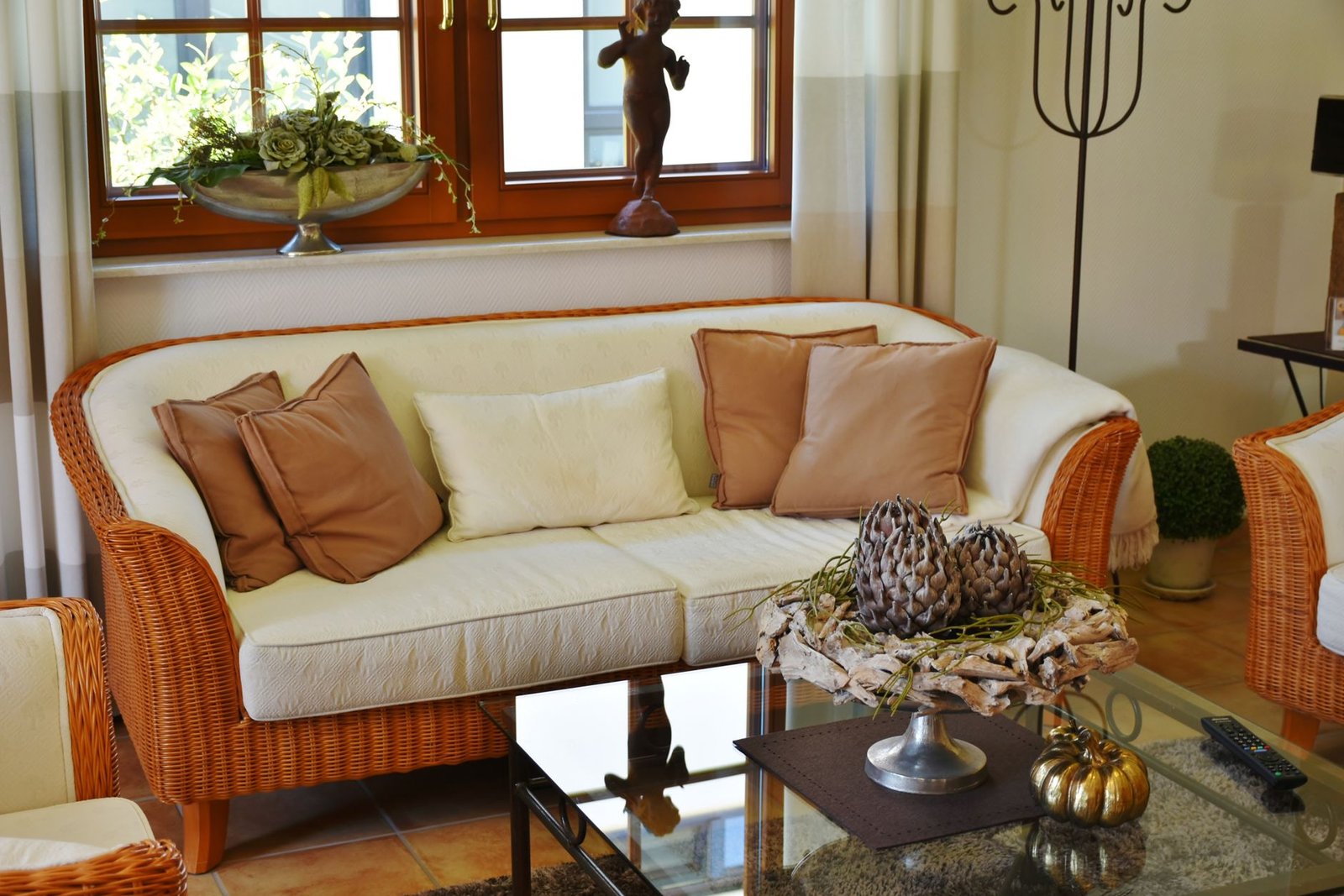
As the days grow shorter in autumn, the right lighting transforms your backyard from a forgotten space into a warm, inviting retreat you’ll use well past sunset.
Among the most impactful Outdoor Living Room Ideas, lighting does the heaviest lifting. String lights draped overhead create an instant canopy effect, while lanterns grouped on side tables add a flickering, intimate glow at eye level.
Wall sconces mounted beside a pergola or garden wall bring that indoor-room feeling outside. Integrated LED strip lighting tucked under furniture frames or along stair risers adds a polished, architectural finish without visible bulb clutter.
Layering your light sources makes all the difference:
- Ambient lighting — overhead string lights or pendant fixtures set the overall mood
- Task lighting — focused lamps or sconces near seating for reading or conversation
- Accent lighting — spotlights or lanterns that highlight plants, artwork, or architecture
For weatherproofing, always choose fixtures rated at least IP44 for moisture resistance, which handles rain and humidity without corrosion. Outdoor-rated extension cords and GFCI outlets are non-negotiable for safety.
Seal any wall-mounted sconce bases with exterior caulk, and run cables through conduit where possible. A little preparation upfront keeps your lighting looking beautiful and functioning safely through every season.
7. Incorporate a Stylish Privacy Wall or Screen
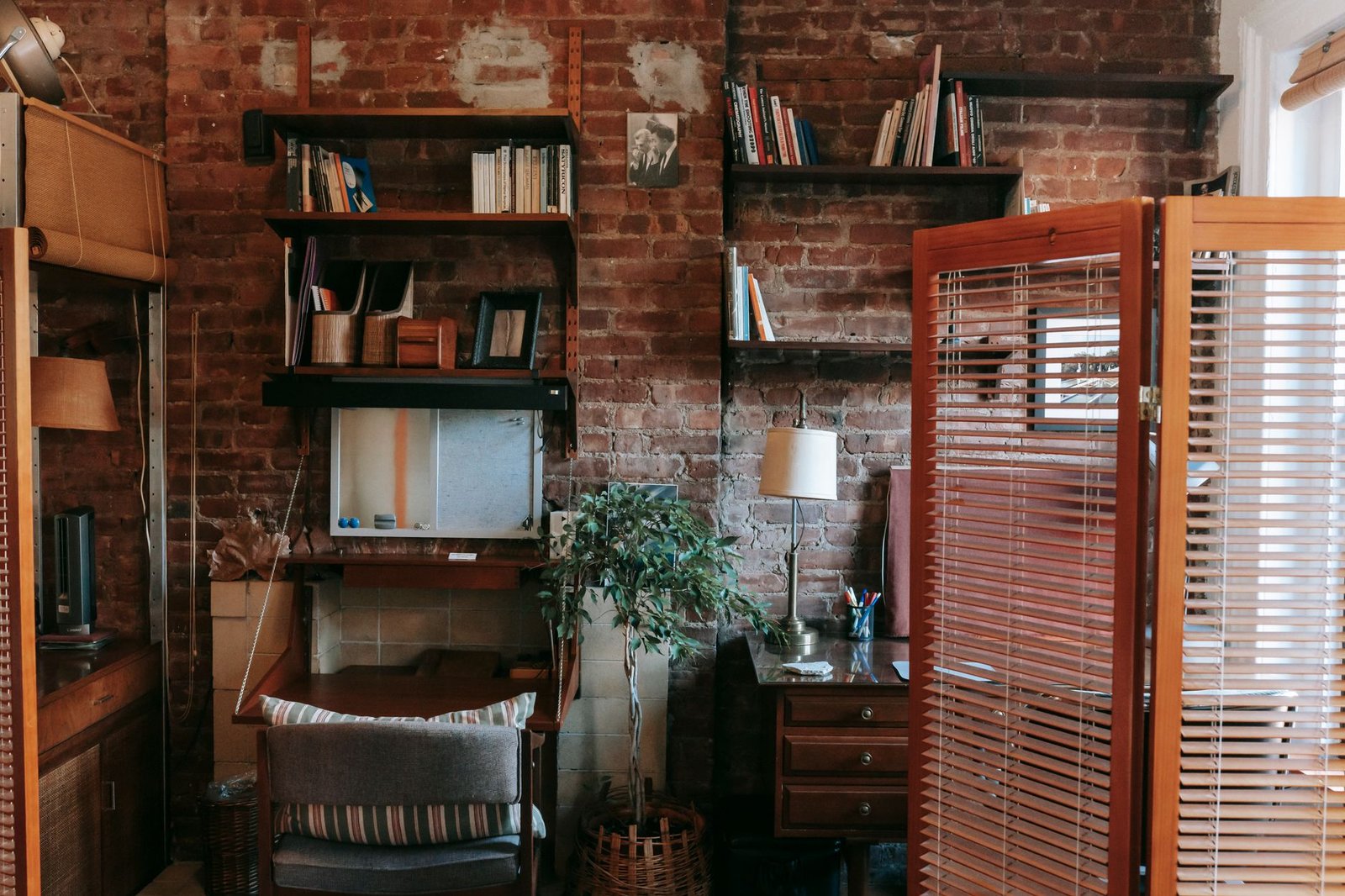
A basic wooden fence runs about $15–$30 per linear foot, but a thoughtfully designed privacy screen does so much more — it turns an exposed patio into a genuinely sheltered space that feels like a real room.
When it comes to Outdoor Living Room Ideas, privacy walls are one of the most impactful upgrades you can make. They define boundaries, muffle street noise, and give you that cozy, enclosed feeling without sacrificing fresh air or natural light.
Popular materials each bring a different personality to your space:
- Bamboo panels add a relaxed, tropical texture and are lightweight enough for renters to install and remove without damage
- Cedar fencing brings a warm, natural grain that weathers beautifully into a soft silver-gray over time
- Living walls — vertical planters filled with ferns, succulents, or herbs — double as air-filtering, fragrant décor
- Laser-cut metal screens offer a modern geometric look and require virtually zero maintenance
If you enjoy weekend projects, bamboo roll fencing and pre-built cedar panels are genuinely DIY-friendly, attaching easily to existing posts or freestanding frames in an afternoon.
For living walls or custom cedar structures, hiring a professional landscaper or carpenter ensures proper anchoring and drainage. Either route delivers the same reward — a private outdoor retreat that finally feels complete.
8. Bring Indoor Comfort Outside With All-Weather Throw Pillows and Blankets
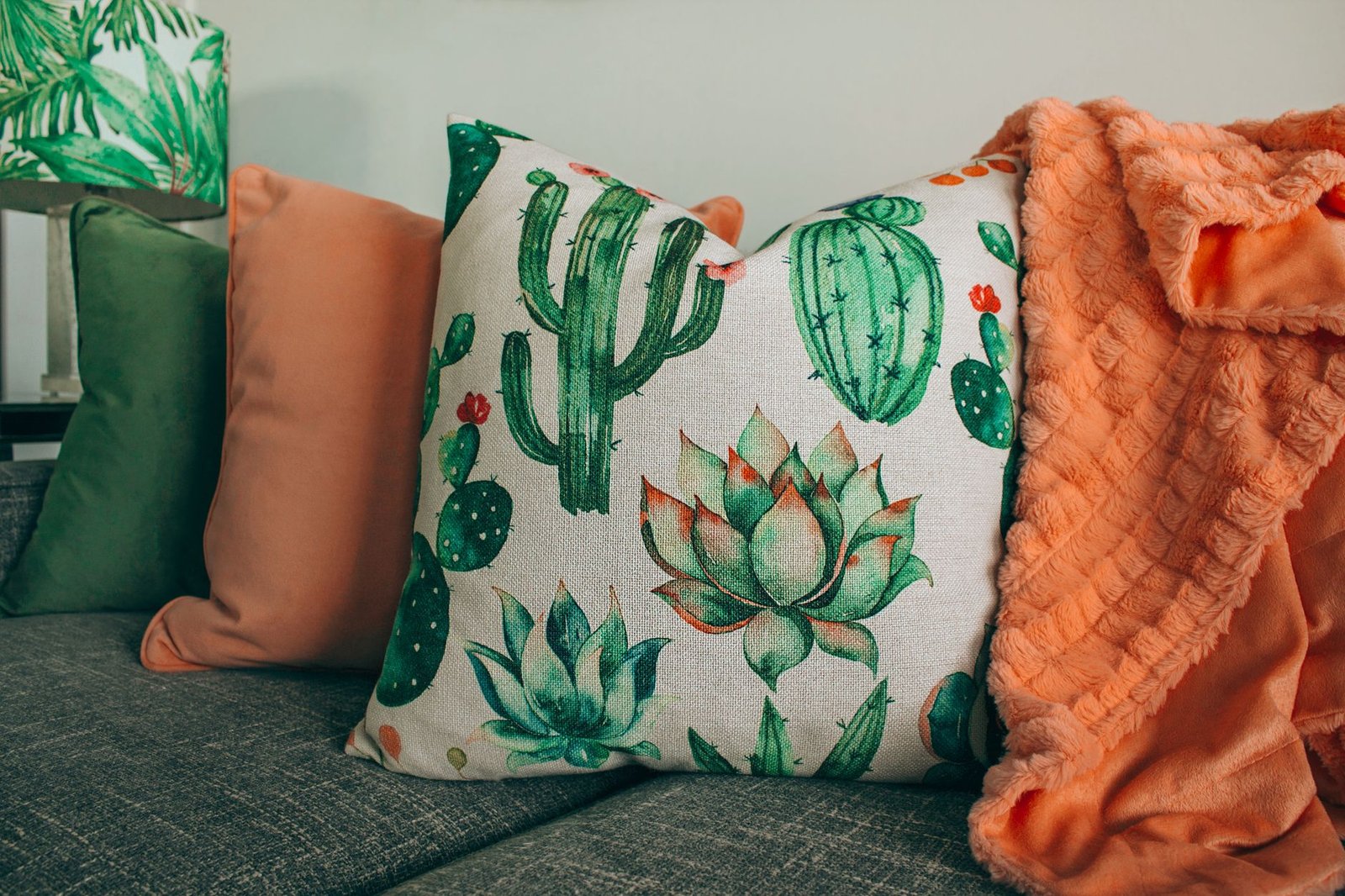
Outdoor fabrics can retain up to 50 times more moisture than indoor textiles, making material selection one of the most important decisions in your setup.
When shopping for pillows and blankets, look for fabrics rated with a fade-resistant and mold-resistant finish, such as solution-dyed acrylic or polyester blends. Sunbrella fabric is a popular benchmark — its colors are woven in at the fiber level rather than applied on top, so UV rays have far less to work with.
For color palettes that feel intentional outdoors, lean into what surrounds you. Sage green, warm terracotta, sandy linen, and deep navy all echo natural tones without competing with your garden or landscape.
Among the most practical Outdoor Living Room Ideas is pairing beautiful textiles with a smart storage plan. A weatherproof storage bench does double duty — it acts as seating and keeps cushions dry between uses.
Other storage options worth considering include:
- A deck box rated for at least 150-gallon capacity to hold bulky throws and seat cushions
- Hanging canvas bags on a covered wall for quick, accessible storage
- Zippered cushion bags that stack neatly in a garage or shed
Choose a storage solution with a UV-resistant lid or cover to prevent the container itself from cracking or warping in direct sunlight.
Small textile details go a long way toward making an outdoor space feel genuinely lived-in and welcoming.
9. Design a Seamless Indoor-Outdoor Flow From Your Living Room
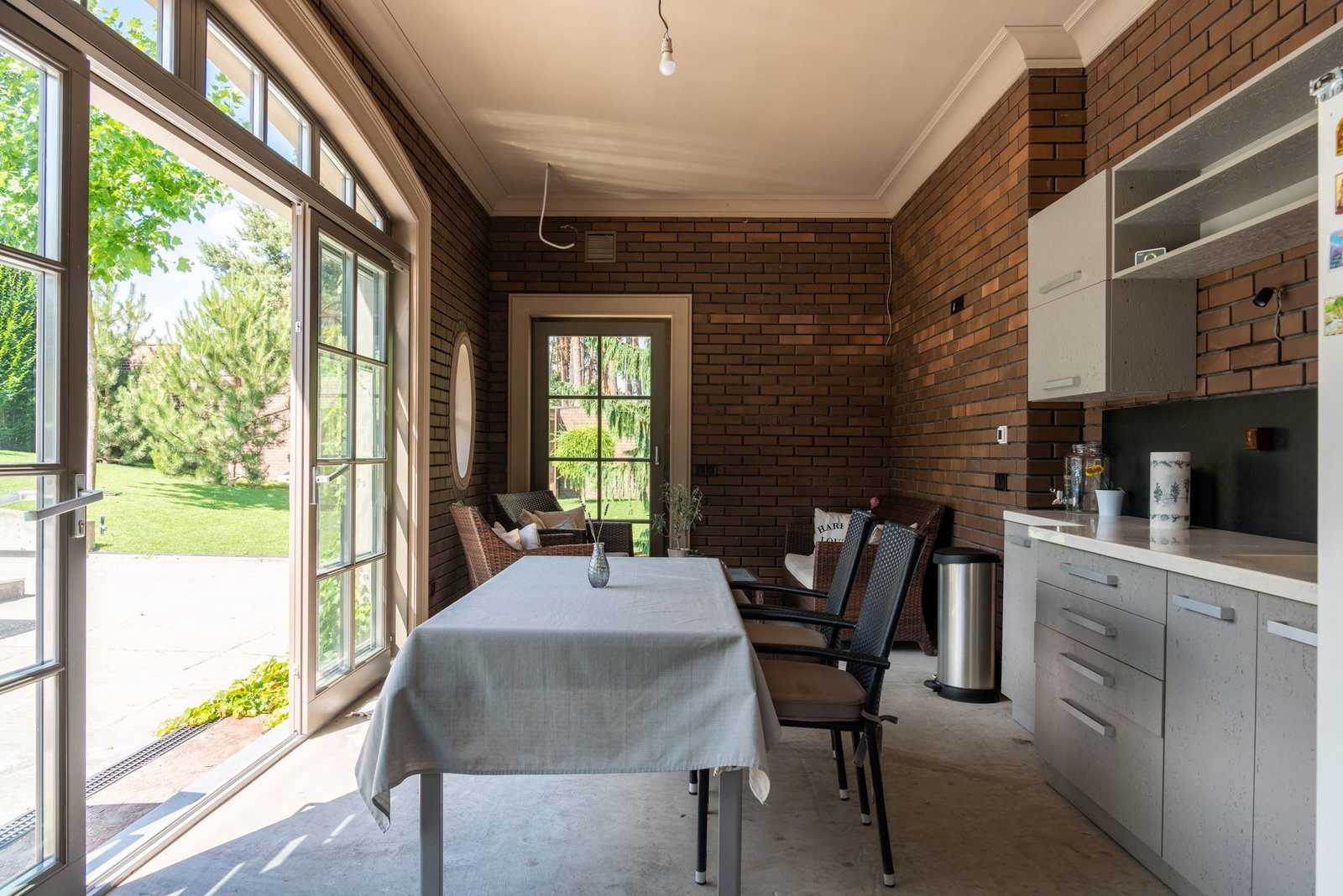
You walk from your sofa to your patio and suddenly feel like you’ve entered a completely different world — mismatched floors, clashing colors, a jarring transition. It doesn’t have to feel that way.
Sliding or folding glass doors are the single most effective way to blur the boundary between inside and outside. When fully opened, they create a wide, uninterrupted passage that makes both spaces feel like one generous room rather than two separate areas.
For flooring, the goal is visual continuity. Consider these approaches:
- Extend large-format porcelain tiles from your interior straight onto a covered patio
- Match an outdoor composite deck stain to your indoor hardwood tone
- Use the same grout color inside and outside for a truly unbroken look
Aim for a floor level difference of no more than 12 millimeters between interior and exterior surfaces — this keeps the transition subtle and safe underfoot.
Color palette consistency is equally important. If your indoor living room leans toward warm whites and soft terracotta, bring those same tones into your cushion fabrics, planter glazes, and wall finishes outside.
These connected design principles are what separate genuinely polished Outdoor Living Room Ideas from spaces that simply look like furniture placed on concrete. When your eye travels from one room to the next without stopping, you’ve achieved something really special.
10. Add a Ceiling Fan or Outdoor Heating to Maximize Comfort
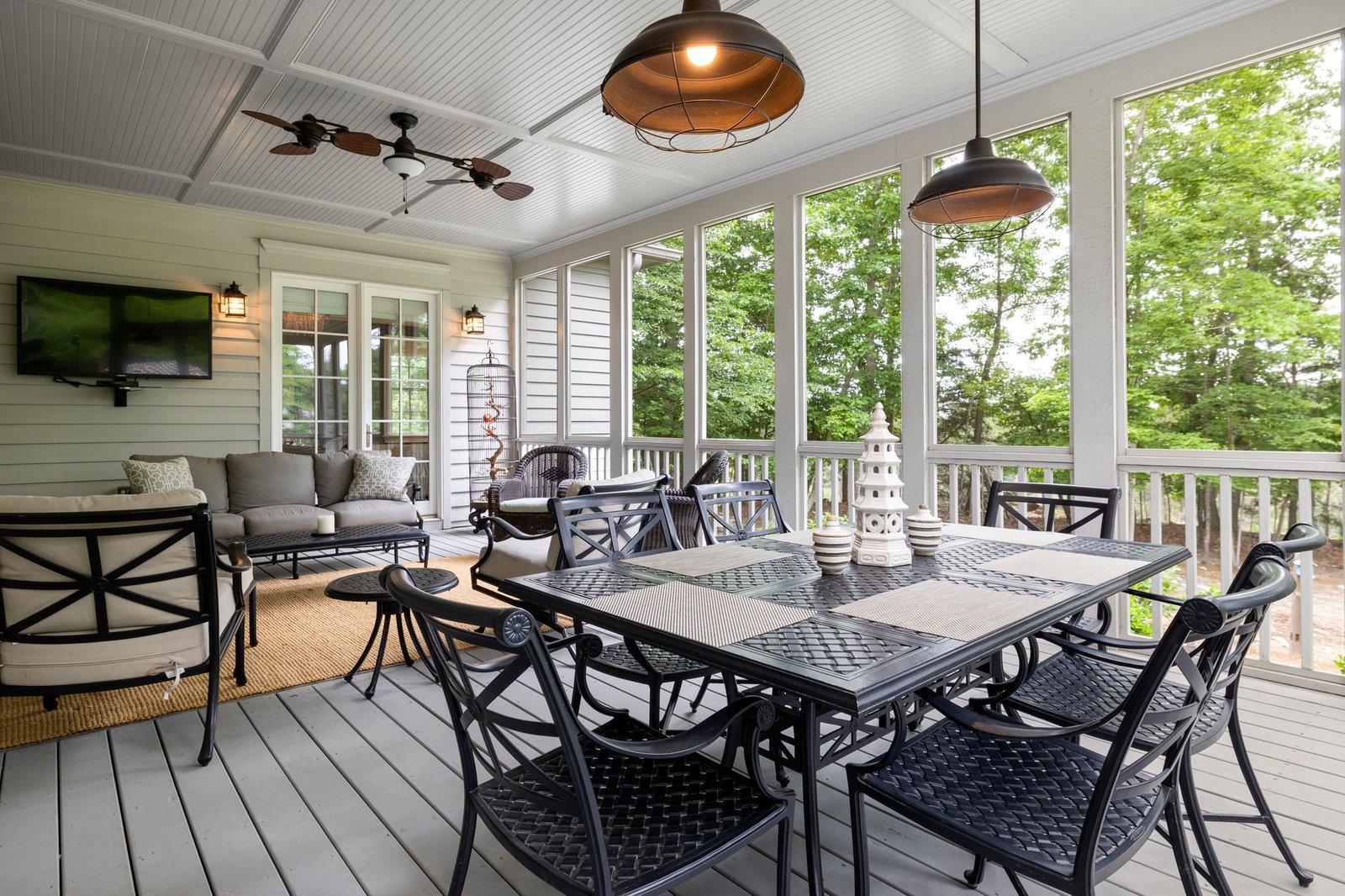
Have you ever had to abandon a perfectly set outdoor space the moment the temperature dropped or the summer heat peaked? A few well-chosen comfort additions can completely change how often you actually use your outdoor room.
For covered patios and pergolas, damp-rated or wet-rated ceiling fans are the right choice — standard indoor fans will corrode quickly when exposed to humidity and moisture. Look for fans with sealed motors and rust-resistant blades, with blade spans between 52 and 60 inches for most standard patio sizes.
When it comes to heating, you have several solid options depending on your setup and budget:
- Freestanding propane patio heaters are portable and affordable, typically running around $150–$250
- Infrared electric heaters mount overhead and warm people directly rather than the surrounding air, making them highly efficient
- Built-in radiant ceiling heat systems are the most seamless option, wired directly into your structure for a clean, permanent look
Infrared heaters are especially worth considering because they work instantly and don’t lose effectiveness in light breezes the way propane models sometimes do.
Among all the Outdoor Living Room Ideas that extend your seasonal use, adding heating and airflow is one of the most practical investments you can make. A covered outdoor room with a ceiling fan and a mounted heater can realistically be enjoyed ten or eleven months out of the year in most climates.
11. Style an Outdoor Living Room on a Budget With DIY Touches
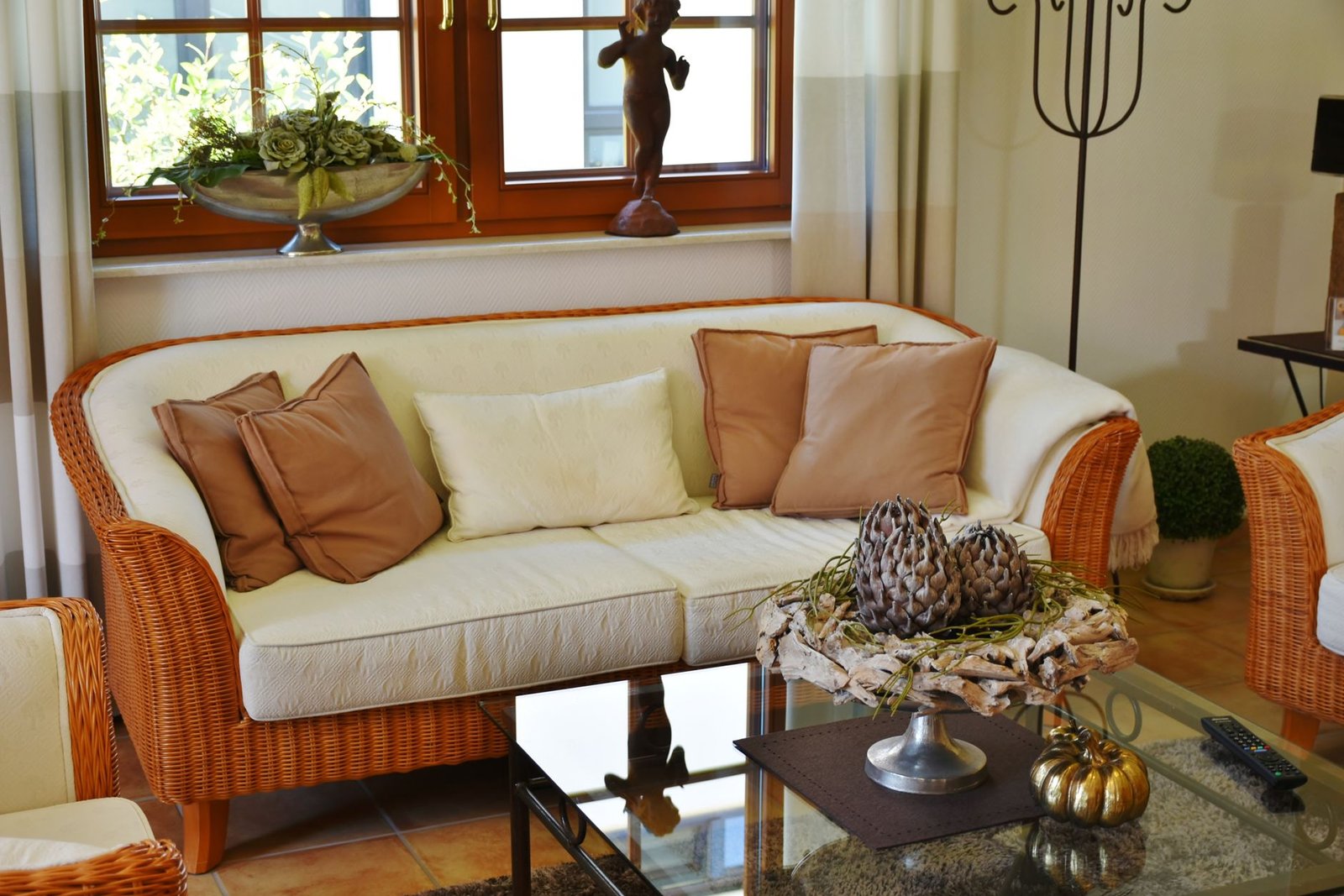
A beautiful outdoor space doesn’t require a designer budget — it just requires a little creativity and a free Saturday afternoon.
Upcycling pallets, cinder blocks, and salvaged wood can transform a bare patio into a cozy, layered seating area for almost nothing. Stack two cinder blocks with a wooden plank across the top for an instant side table, or arrange pallets into a low sectional sofa frame and top with outdoor cushions.
For cushions, throw pillows, and planters, budget retailers like IKEA, Target’s threshold line, and HomeGoods regularly carry outdoor pieces under $20 each. Scouting Facebook Marketplace for secondhand rattan or wrought iron furniture gives you quality bones to work with at a fraction of retail cost.
A fresh coat of spray paint is genuinely one of the fastest ways to revive tired patio chairs. Rust-Oleum’s 2X coverage spray paint costs around $6 a can and covers most standard dining chairs in a single session.
For wooden furniture, a quick sanding followed by a tinted exterior stain brings warmth and weather protection in one step. These are the kinds of hands-on Outdoor Living Room Ideas that feel personal rather than catalog-perfect.
- Sand and restain a weathered picnic table in an afternoon
- Use leftover exterior paint to color-coordinate terra cotta pots
- Repurpose wine crates and milk crates as lightweight, stackable storage ottomans
12. Integrate Lush Greenery and Potted Plants Into the Design
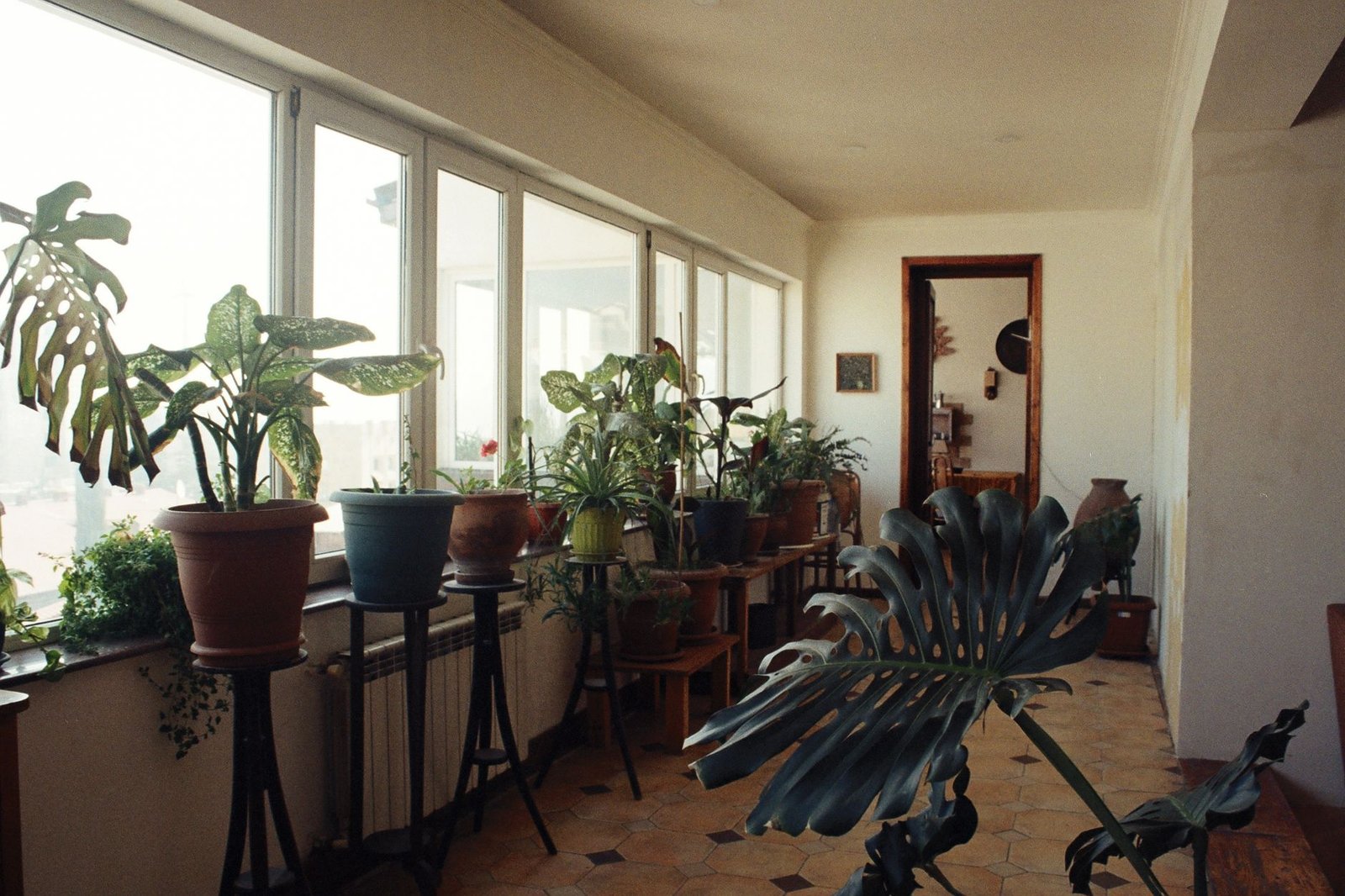
There is something about a cluster of potted plants in a corner that instantly makes an outdoor space feel intentional and lived-in rather than staged.
When thinking through your Outdoor Living Room Ideas, plants deserve a serious role beyond simple decoration. Plants act as natural dividers, separating a dining zone from a lounging area without the rigidity of a fence or wall.
Large potted olive trees, ornamental grasses, or tall bamboo (planted in containers to control spread) create soft visual boundaries while adding texture and movement. They frame furniture groupings beautifully.
For low-maintenance options, consider these choices based on your climate:
- Hot and dry climates: Agave, lavender, and rosemary thrive with minimal watering
- Humid and rainy regions: Ferns, elephant ears, and bromeliads handle moisture without complaint
- Cooler temperate zones: Boxwood, heuchera, and ornamental sedge stay tidy through shifting seasons
If floor space is limited, a vertical planter wall is one of the smartest investments you can make. A basic modular wall planter system starts around $120 and can hold 12 or more individual pots without consuming a single square foot of your floor plan.
Staggering plant heights — from ground-level pots up to wall-mounted planters — adds layered depth that makes the whole space feel more designed and complete.
13. Install Outdoor Curtains for Shade and Elegance
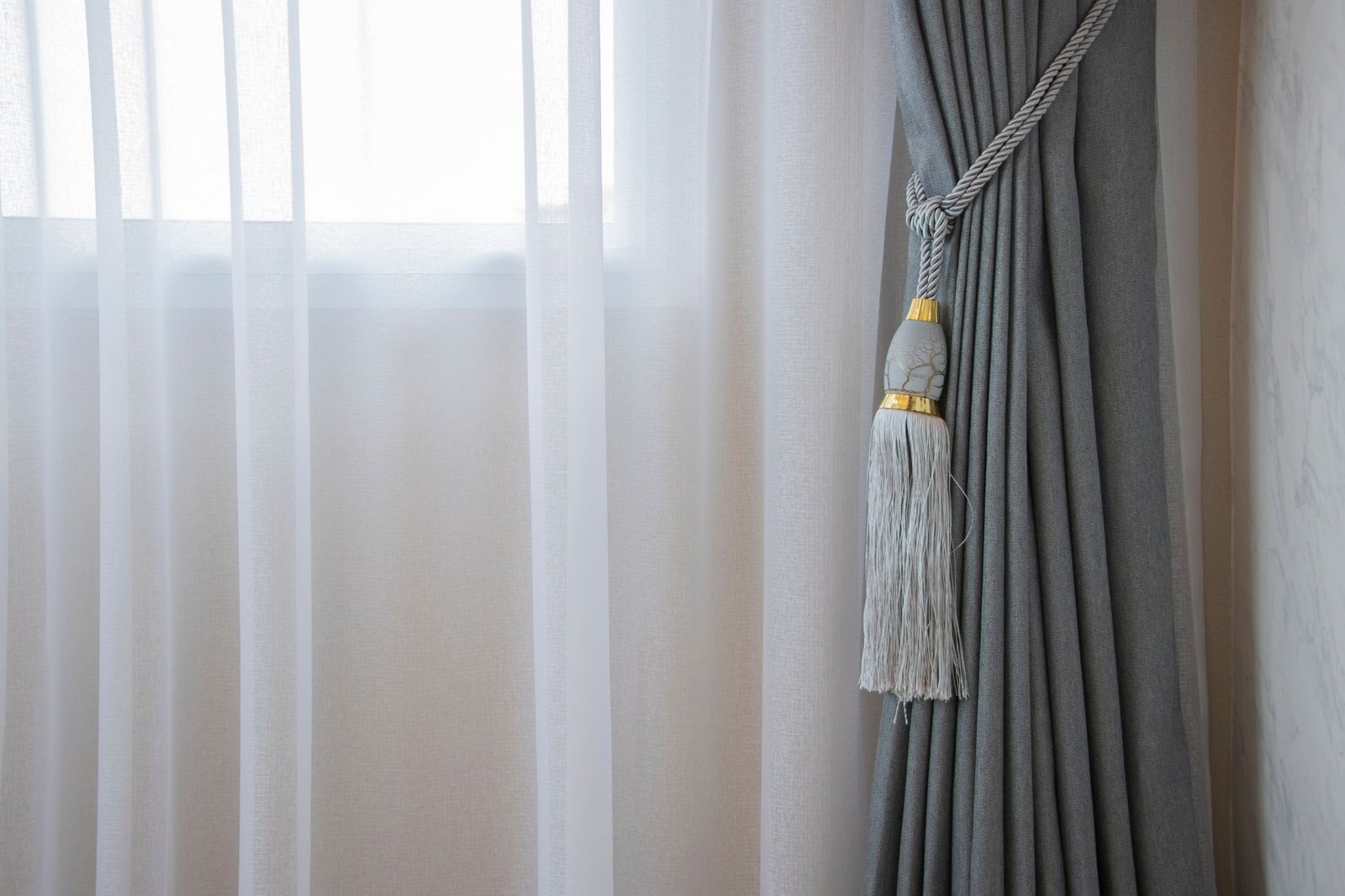
Hang your curtains at least 6 inches wider than your opening on each side — this creates the illusion of a larger, grander space when the panels are drawn back.
When exploring Outdoor Living Room Ideas, curtains are one of the most underrated additions you can make. They immediately soften the hard edges of a pergola or covered patio in a way that furniture alone simply cannot.
Choosing the right fabric makes all the difference in how long your curtains last season after season. Polyester and solution-dyed acrylic are the most weather-resistant options, while heavy canvas works beautifully in covered spaces where direct rain exposure is minimal.
Curtains bring an unmistakable indoor-room feeling to an open-air space. That layered, soft texture signals comfort and intentionality to anyone who steps into your outdoor area.
For hardware, you have a few reliable options:
- Stainless steel or powder-coated aluminum rods resist rust through wet seasons
- Ceiling-mounted tracks offer a sleek, modern look with easy panel movement
- Tension wire systems work well between pergola posts for a minimal aesthetic
Proper installation matters most for both safety and appearance. Anchor your rod brackets directly into structural beams or posts rather than drywall anchors, which won’t hold once wind picks up.
Budget around $40–$80 per panel for quality outdoor-rated fabric. It’s a modest investment that genuinely transforms how sheltered and polished your patio feels.
14. Build or Buy an Outdoor Sofa Sectional as the Anchor Piece
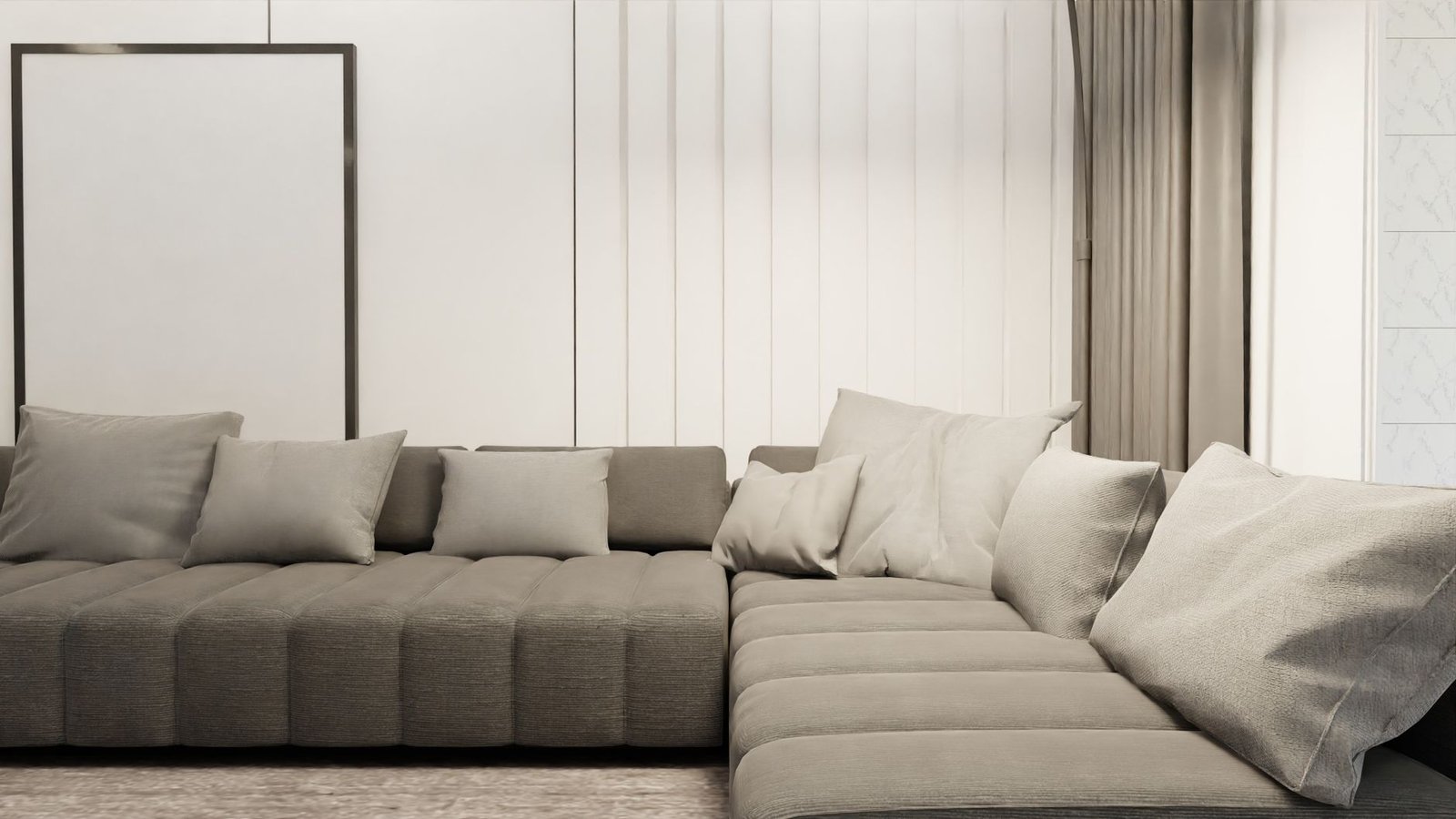
As summer entertaining season ramps up, nothing pulls a patio together faster than a well-chosen sofa sectional. It signals to guests that this space is meant for lingering, laughing, and staying awhile.
A sectional defines the boundaries of a large outdoor seating area the same way a sofa defines a living room inside your home. Without it, even a beautiful patio can feel scattered and purposeless.
When exploring Outdoor Living Room Ideas, one of the most practical decisions you will make is choosing between modular and fixed sectional configurations.
Modular sectionals offer serious flexibility — you can rearrange individual pieces for a dinner party one weekend and a movie night the next. Fixed sectionals, while less adaptable, often feel sturdier and look more intentional as a permanent installation.
For sizing, match the sectional footprint to your patio dimensions:
- Small patios (under 10 x 10 feet): choose a compact L-shaped configuration with a 90-inch maximum width
- Medium patios: a three-piece modular set works beautifully without overwhelming the space
- Large patios: a U-shaped sectional seating eight or more people anchors the area confidently
Budget around $800 to $2,500 for a weather-resistant sectional in powder-coated aluminum or teak with all-weather cushions. Both materials hold up through rain, humidity, and direct sun without warping or fading within a single season.
15. Incorporate an Outdoor Coffee Table With Functional Storage
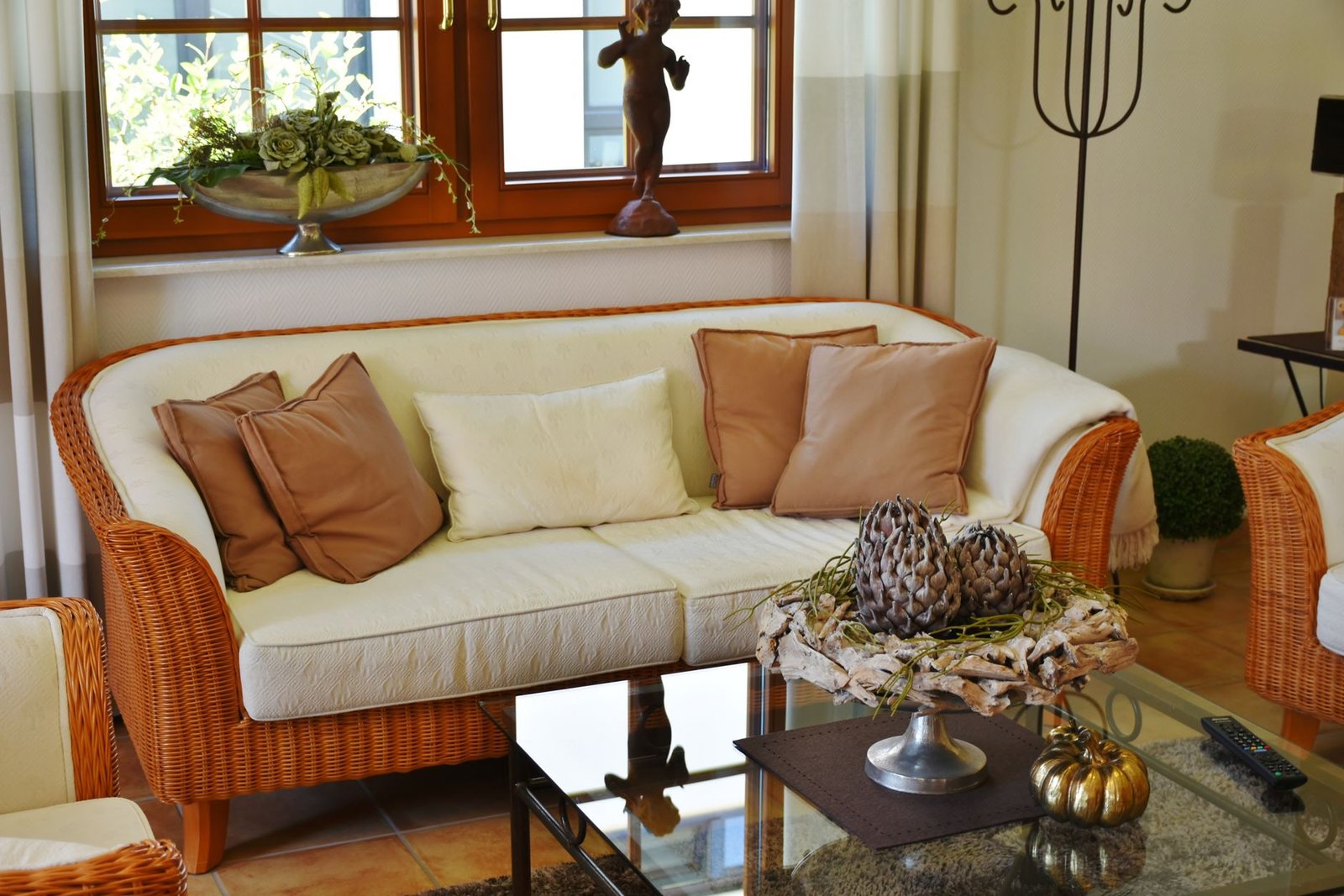
A basic patio table runs about $80, but a dual-purpose coffee table with hidden storage typically costs between $200 and $450 — a worthwhile investment that keeps your space tidy without sacrificing style.
Among the best Outdoor Living Room Ideas, a storage coffee table pulls double duty by tucking away seat cushions, throw blankets, and outdoor games when the evening ends. This keeps your lounge area looking intentional rather than cluttered.
Your aesthetic will guide the right style choice. Consider these popular directions:
- Minimalist designs favor clean-lined powder-coated steel frames with lift-top lids and slim profiles that feel architectural and modern
- Bohemian spaces welcome woven resin wicker tables with interior baskets that add warmth and texture without looking fussy
- Rustic settings shine with concrete-top tables paired with reclaimed wood bases, offering that raw, grounded quality that feels connected to nature
Concrete tops are naturally weather-resistant and develop a beautiful patina over time, while powder-coated steel resists rust and chips through rainy seasons with minimal upkeep.
Resin wicker is another smart pick — it mimics the look of natural rattan but handles UV exposure and moisture far better over the years.
When shopping, look for tables with sealed interior compartments that protect cushions from unexpected afternoon showers, keeping your outdoor setup ready to enjoy at a moment’s notice.
16. Use Decorative Concrete or Composite Decking as Your Foundation
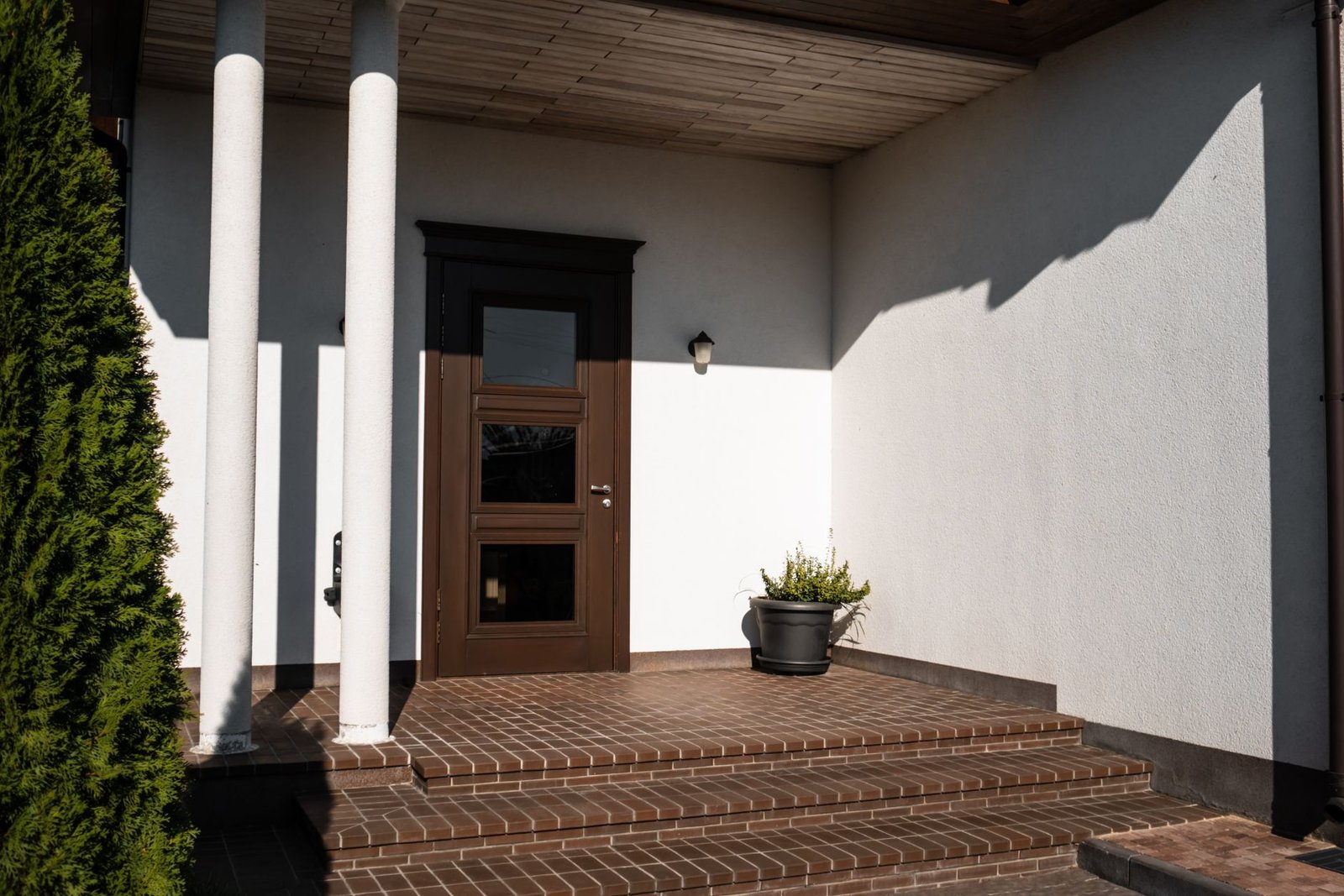
Your flooring choice influences up to 40% of your outdoor space’s overall visual impact — more than furniture, lighting, or textiles combined.
When exploring Outdoor Living Room Ideas, the foundation you choose quietly sets the tone for everything placed on top of it. Get this decision right, and the rest of the design falls naturally into place.
Here’s how the most popular options compare:
- Stamped concrete mimics stone or tile at a lower price point, typically running $8–$18 per square foot installed, but it can crack in freeze-thaw climates without proper sealing.
- Natural stone pavers like bluestone or travertine age beautifully and feel luxurious underfoot, though they require occasional re-sanding between joints to stay level.
- Composite decking resists moisture, splinters, and fading far better than wood, making it a genuinely low-maintenance choice for families with kids or pets.
- Concrete pavers offer a clean, modern look that’s budget-friendly, easy to replace individually, and simple to install in a weekend DIY project.
Maintenance matters as much as upfront cost. Stamped concrete needs resealing every two to three years, while quality composite decking may only need an annual rinse.
Think of your floor as the room’s anchor. A warm travertine surface calls for natural linens and rattan, while sleek composite planks pair naturally with contemporary metal furniture and crisp geometric cushions.
17. Outdoor Living Room Ideas for Small Patios and Balconies
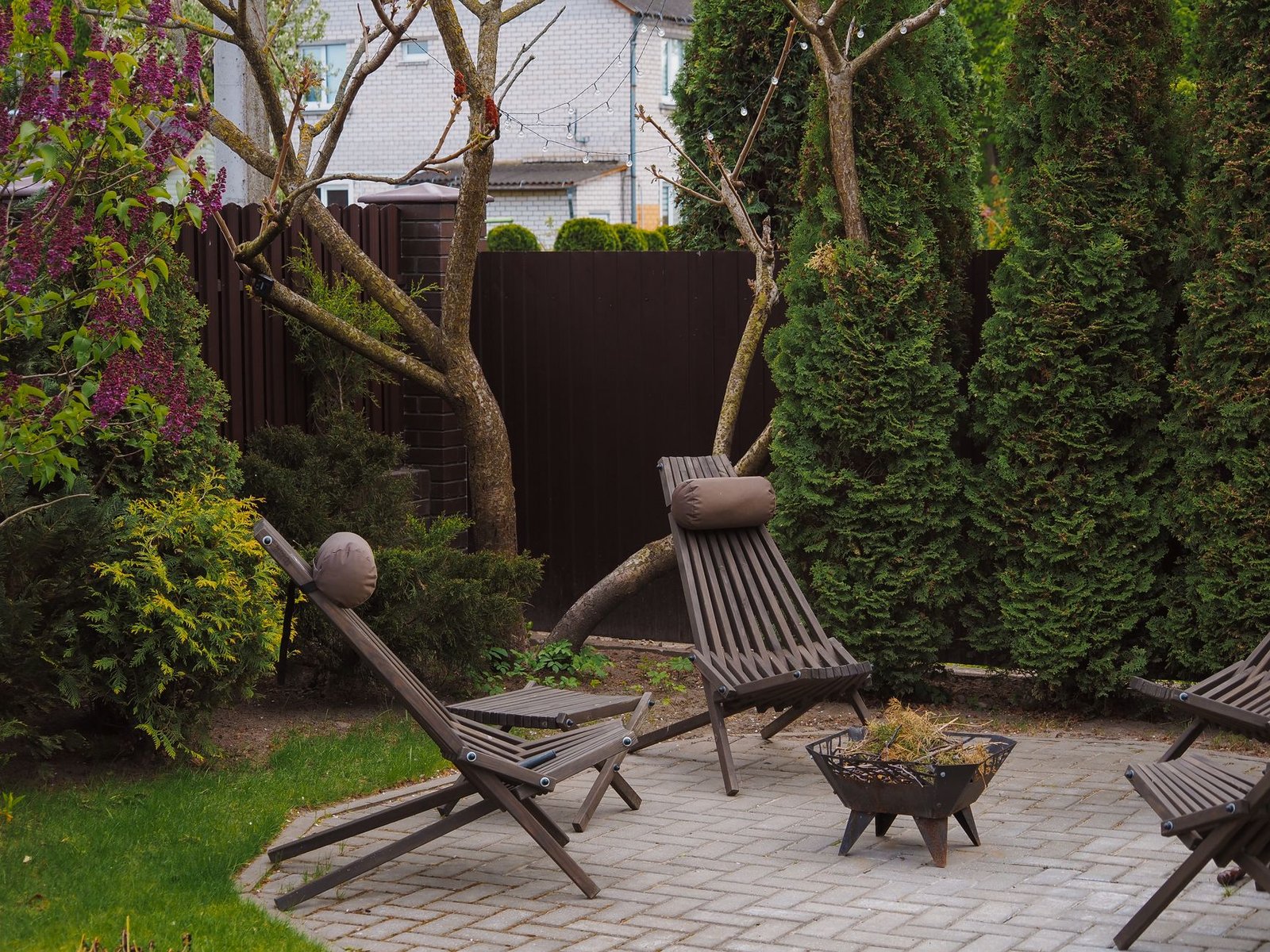
You measured your balcony and came up with a humbling 6 feet by 8 feet. It feels impossible to imagine anything other than a lone plastic chair out there — but that tight footprint can actually become one of the coziest spots in your home.
Foldable and stackable furniture is your first best friend in a compact outdoor space. A bistro table that folds flat against the wall and chairs that nest together give you a full seating setup when you want it and clear floor space when you don’t.
When square footage runs out, go vertical. Wall-mounted planters, hanging lanterns, and tiered shelving draw the eye upward and fill the space with personality without eating into your footprint.
These are some of the most creative Outdoor Living Room Ideas because constraints force genuinely beautiful decisions. A small balcony styled with a weather-resistant loveseat, a string of café lights overhead, and a narrow console table along the railing feels intentional and intimate rather than cramped.
For real-world inspiration, consider these approaches that work especially well in tight spaces:
- A fold-down wall table paired with two stools that tuck underneath
- A corner bench with built-in storage under the seat cushions
- Tall potted grasses or a slim trellis with climbing plants to create a sense of enclosure
- A single oversized outdoor rug to visually anchor and define the seating zone
Layering textures through pillows, a small lantern, and one statement plant brings warmth to even the most modest patio without adding bulk.
18. Create a Boho-Chic Outdoor Living Room With Layered Textures
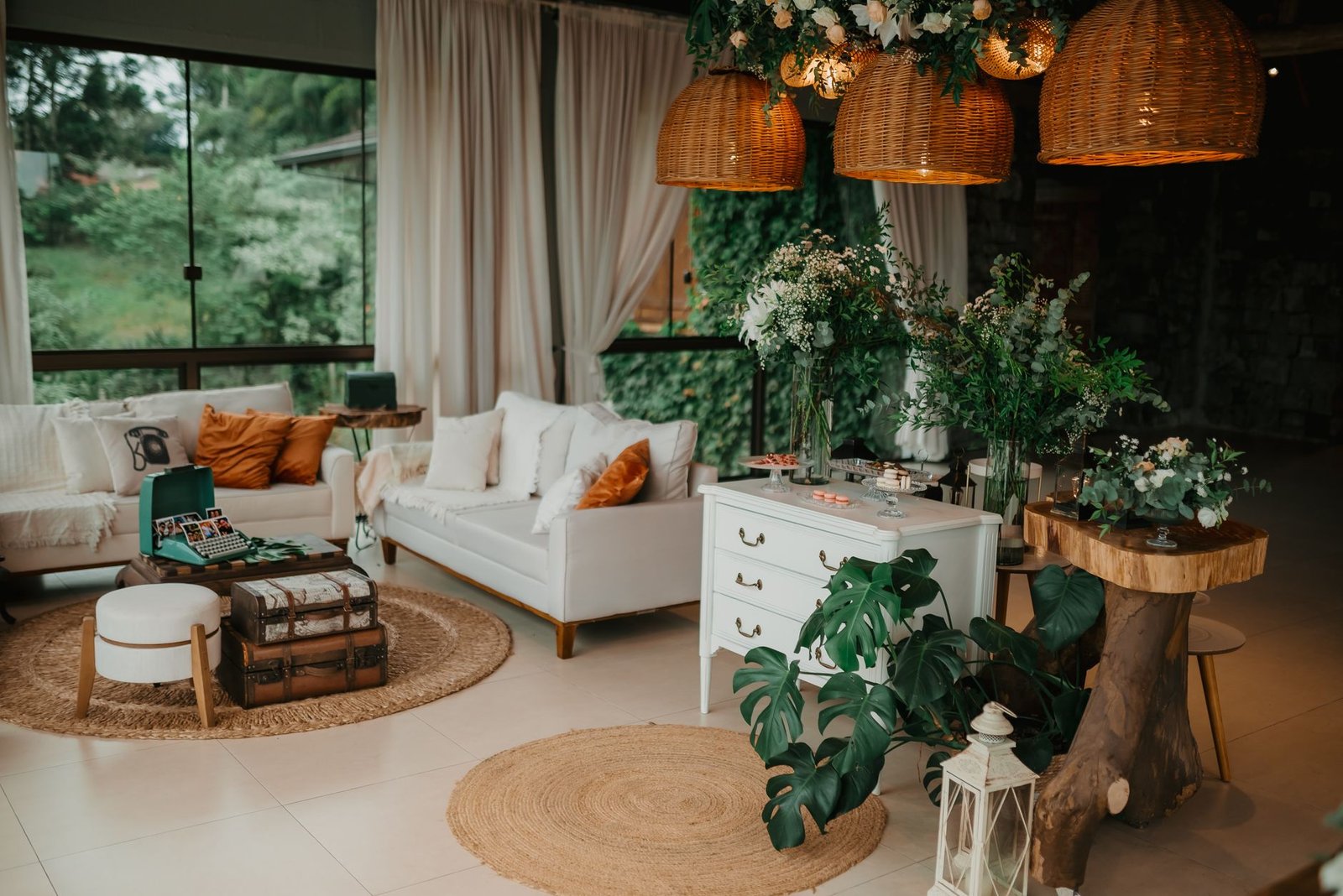
Have you ever walked into a space that felt effortlessly relaxed, like every piece belonged exactly where it landed? That’s the magic of a boho-chic setup, and it’s one of the most expressive Outdoor Living Room Ideas you can bring to life.
Macrame, rattan, jute, and woven textiles are your foundation here. Layer a jute rug under rattan furniture, then drape macrame wall hangings nearby to build that signature earthy warmth.
Mixing patterns sounds intimidating, but it’s simpler than you think. Stick to a grounded color palette — think terracotta, cream, sage, and warm brown — and your bold geometric cushion covers won’t clash with a floral throw blanket.
Layering textures is what separates a flat, boring patio from a space that feels genuinely curated. Combine smooth rattan with rough jute, soft cotton weaves, and chunky knit pillows for a rich, lived-in feel.
For accent pieces, consider these boho favorites:
- A hanging woven chair suspended from a sturdy pergola beam
- Oversized floor poufs in leather or kilim fabric
- A freestanding hammock for casual lounging
- Beaded or fringe lanterns for ambient evening light
A good starting point is a 5-by-8-foot jute rug, which typically costs around $85 and instantly anchors the whole arrangement.
Keep plants nearby — trailing pothos or cascading string-of-pearls reinforce that organic, free-spirited energy without spending another dollar.
19. Design a Modern Minimalist Outdoor Room With Clean Lines
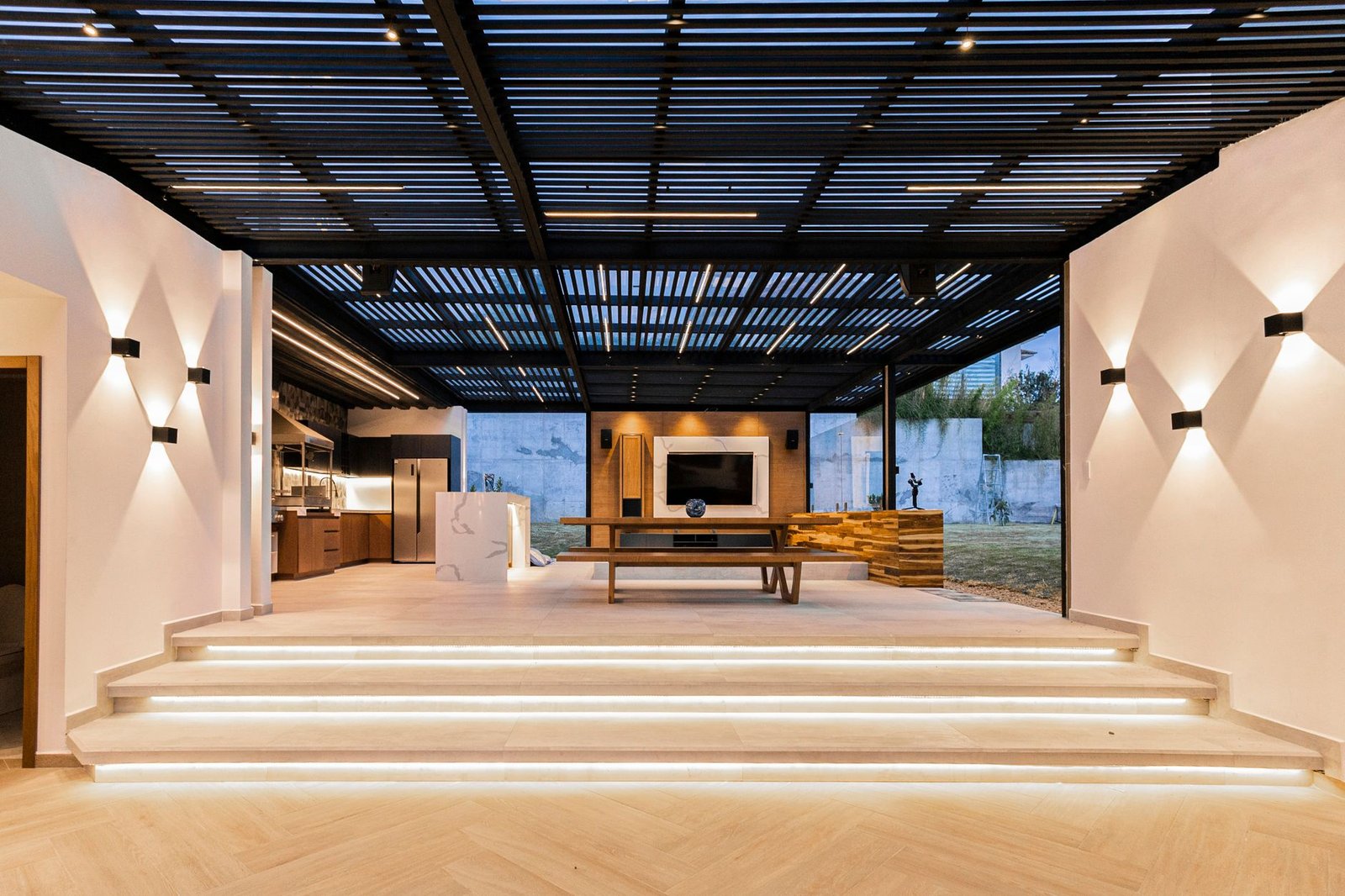
Many people assume that minimalist outdoor spaces feel cold or unwelcoming. In reality, a well-edited patio can feel more serene and intentional than a room packed with decorative pieces.
When exploring Outdoor Living Room Ideas through a minimalist lens, the goal is deliberate restraint. Every chair, planter, and side table earns its place by serving both a visual and functional purpose.
Neutral palettes anchored in warm tones do the heavy lifting here. Think warm whites, soft grays, sand, and charcoal — colors that recede into the landscape rather than compete with it.
For furniture, prioritize sleek black metal frames paired with smooth teak seat surfaces. This combination weathers beautifully outdoors and requires almost no visual maintenance to look polished season after season.
Concrete planters with a single sculptural plant — a slim olive tree or a mounding ornamental grass — reinforce the less-is-more approach without the space feeling bare or neglected.
- Limit your plant selection to three species maximum for visual cohesion
- Choose furniture with legs rather than solid bases to keep sightlines open
- Use a single outdoor rug sized at least 8×10 feet to anchor the seating zone
- Hide storage inside built-in benches or slim deck boxes to eliminate visual clutter
Clutter-free styling is the real discipline of minimalism. Resist the urge to fill every corner, and your outdoor room will feel twice as spacious and twice as calm.
20. Add a Water Feature to Enhance Ambiance and Relaxation
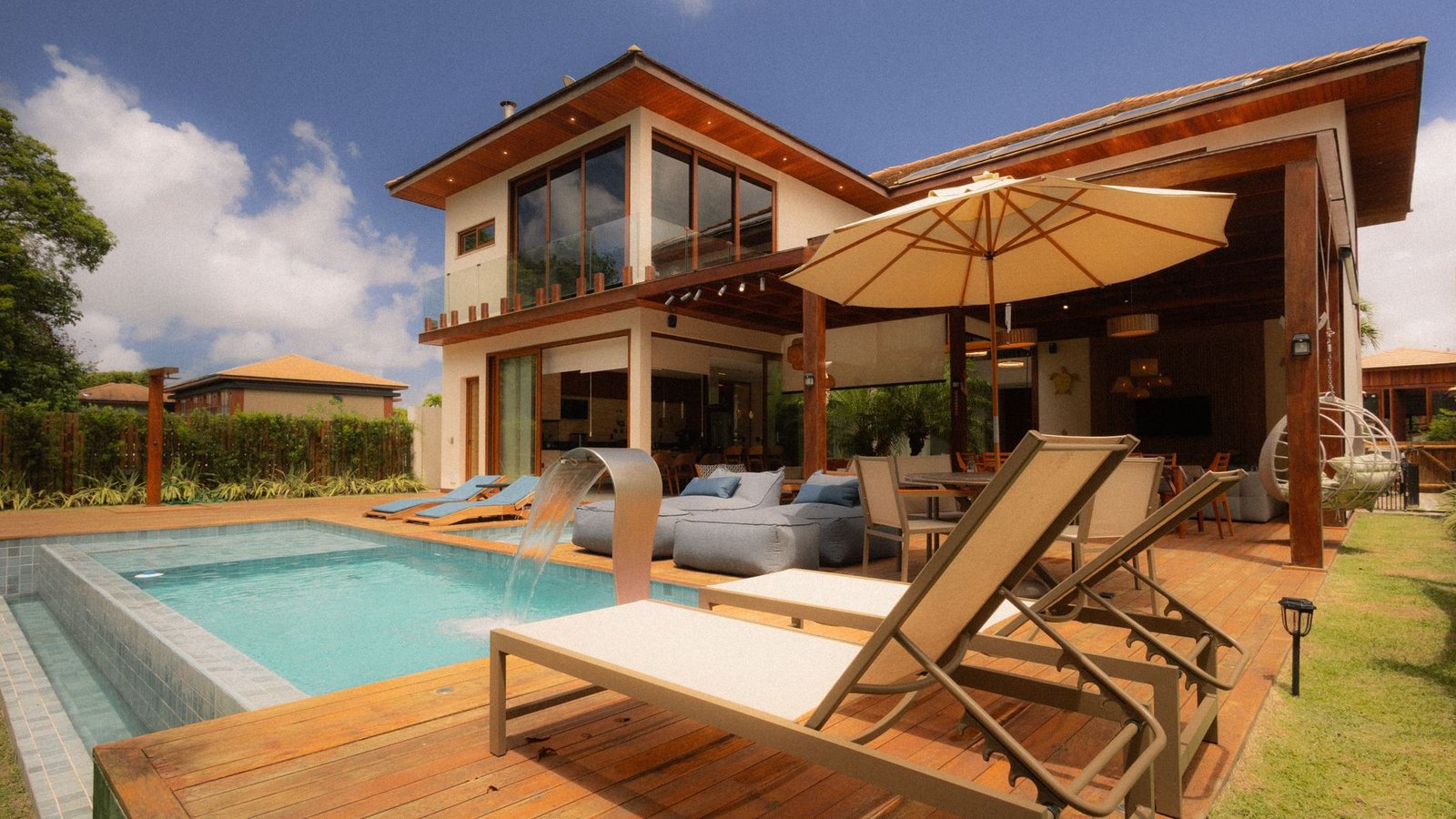
There’s something about the sound of moving water that instantly makes an outdoor space feel like a true retreat rather than just a patio with furniture.
When exploring Outdoor Living Room Ideas, a water feature is one of the most sensory-rich additions you can make. The gentle rhythm of flowing water masks street noise, lowers perceived temperature, and creates a naturally calming atmosphere that even the best throw pillows can’t replicate.
You have several beautiful options to consider, each with its own installation demands and price point:
- Freestanding fountains are the easiest entry point — plug-in models require no plumbing and start around $150, making them ideal for renters or beginners.
- Wall cascades are sleek and space-efficient, mounted directly onto a fence or exterior wall. They typically require a small recirculating pump and range from $400 to $1,200 installed.
- Container water gardens combine aquatic plants with gentle bubbling and cost roughly $80 to $300 as a DIY weekend project.
The sound quality matters as much as the look. A wide, shallow cascade produces a soft murmur, while a tall fountain creates a more dramatic, splashing presence.
Budget and complexity vary widely, but even the simplest tabletop water feature adds an immediate sensory layer that elevates how the whole space feels at the end of a long day.
21. Pool-Adjacent Outdoor Living Room Design Tips
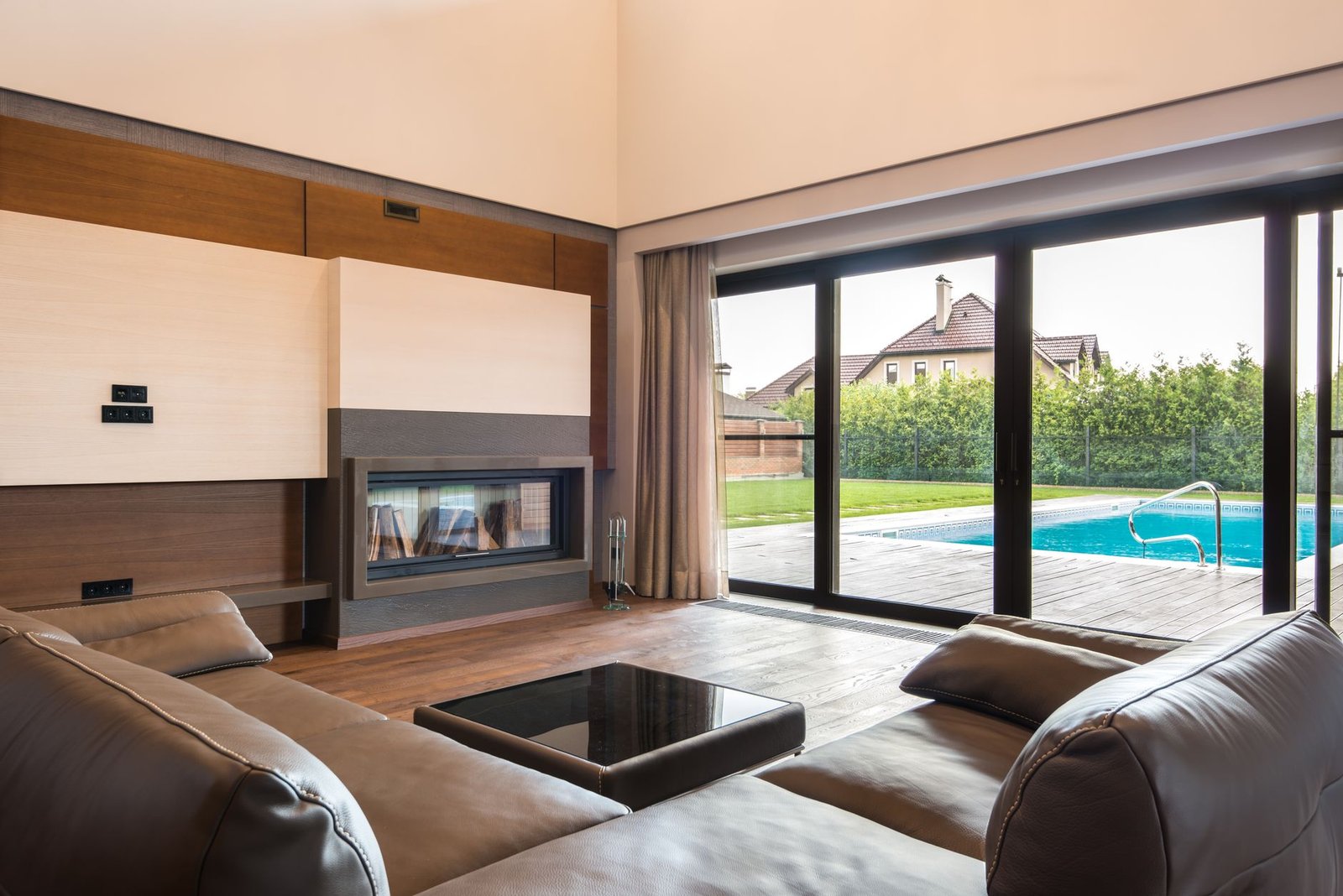
Rinse your furniture frames with fresh water weekly — this single habit dramatically extends the life of any poolside seating exposed to chlorine drift and splash zones.
Chlorine-resistant materials are non-negotiable near a pool. Opt for powder-coated aluminum, teak, or synthetic resin wicker, since these hold up against both chemical exposure and constant moisture without warping, rusting, or fading over a single season.
Cushions deserve equal attention. Look for outdoor foam rated for wet environments and covered in solution-dyed acrylic fabric, which resists bleaching from pool chemicals far better than standard polyester blends.
To create a comfortable lounge zone, position a generous sectional or a cluster of chaise lounges at least 4 feet from the pool edge — far enough to stay dry during casual swimming but close enough to feel connected to the water.
- Layer in a low coffee table and side tables for towels, drinks, and sunscreen
- Use an outdoor rug to visually anchor the seating area and define the space
- Add potted plants to soften hard pool decking
A pergola with a retractable shade canopy gives swimmers and loungers relief from afternoon sun without blocking breezes, making it one of the smartest investments for this zone.
Finishing the area with a small outdoor bar cart or built-in wet bar pulls together these Outdoor Living Room Ideas into a fully functional, resort-worthy retreat right in your backyard.
22. Current Patio Trends for Creating an Outdoor Living Room in 2026
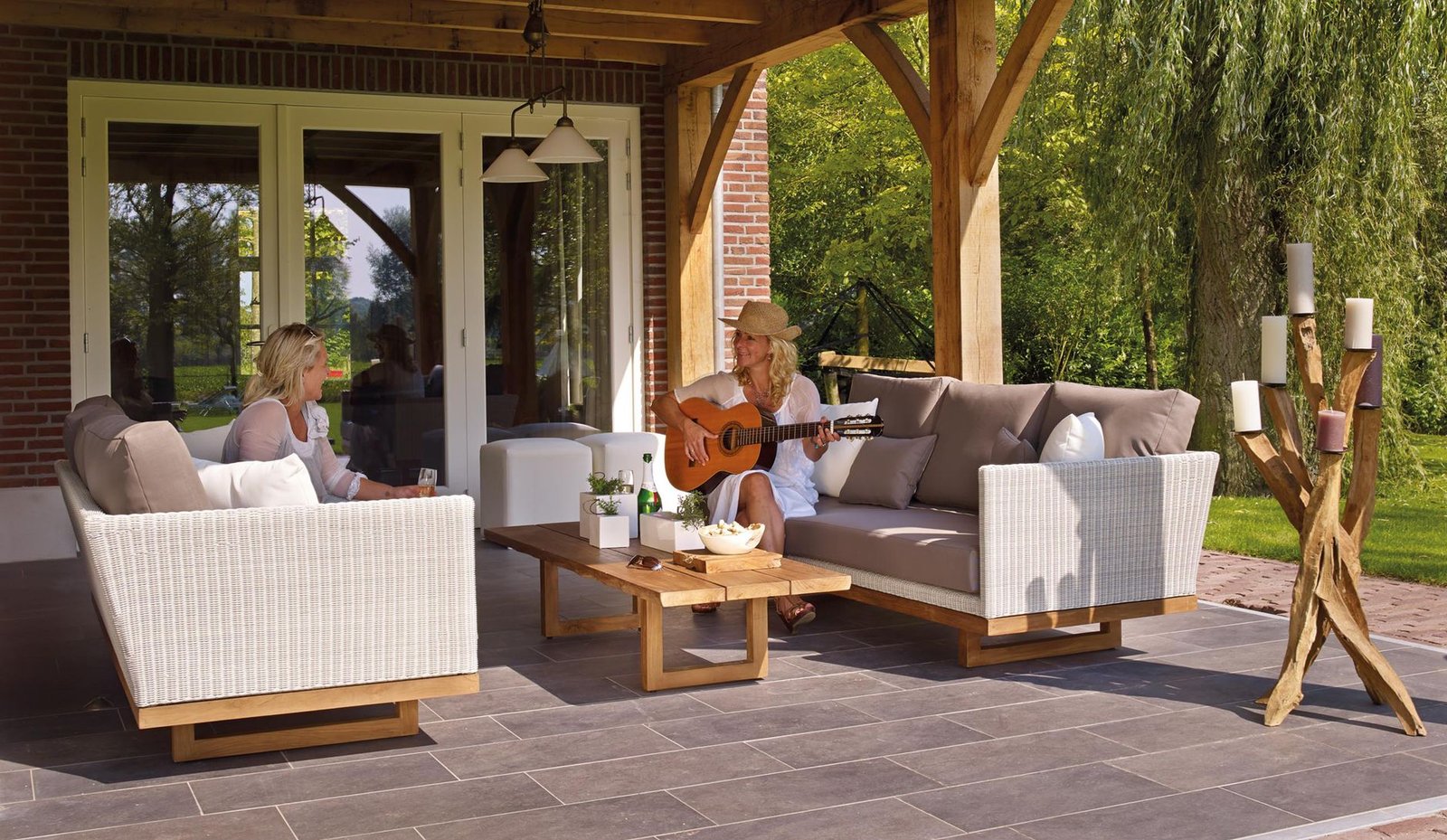
As warmer months stretch longer and homeowners spend more time outside, the question of what’s actually trending in patio design right now has a clear answer: nature-forward spaces that feel intentional, not accidental.
Biophilic design is leading the pack, weaving living walls, potted olive trees, and natural stone textures into seating arrangements so the boundary between garden and lounge disappears completely.
Earthy, grounded palettes — terracotta, warm sand, deep moss — are replacing the cool grays that dominated patios for years. These tones age beautifully outdoors and photograph warmly in every season.
Mixed materials are equally dominant right now. Think rattan chairs paired with a concrete side table and a linen-look outdoor rug, all living together without visual conflict.
If you’re browsing Outdoor Living Room Ideas for 2026, smart technology integration is no longer optional for a polished result. Weatherproof Bluetooth speakers built flush into planters or pergola beams keep the aesthetic clean while delivering real sound quality.
- App-controlled string lights that shift from bright white to warm amber at sunset
- Motion-activated path lighting along seating perimeters
- Outdoor-rated smart plugs for fans and heaters, averaging around $35 each
App-controlled lighting systems in particular let you set evening moods without leaving your chair — exactly the kind of effortless comfort that defines how people want to live outside in 2026.
23. How to Style an Outdoor Room That Reflects Your Personal Aesthetic
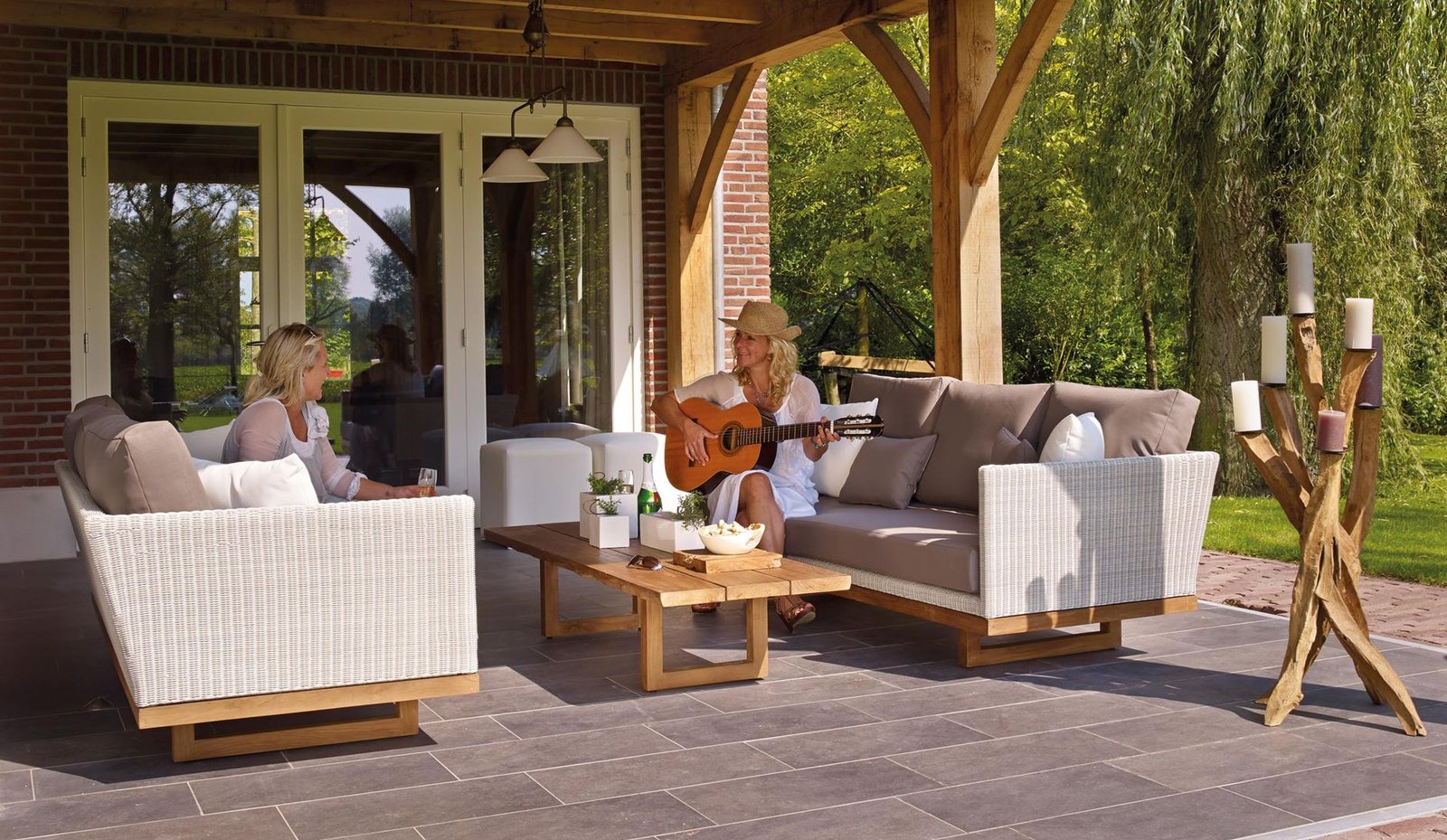
Hiring an interior designer to define your style costs an average of $150 per hour — but spending 20 minutes scrolling your saved photos online is completely free and just as revealing.
Look for patterns in what you save. If you keep returning to warm wood tones, layered textiles, and earthy ceramics, you likely lean toward a relaxed, organic aesthetic. Clean lines and monochrome palettes signal something more contemporary.
Identifying your outdoor design style becomes much easier when you treat the space like an indoor room. Ask yourself what you’d hang on the walls, what candles you’d light, and what rug would feel right underfoot.
Use this quick checklist to match accessories and furniture to your aesthetic:
- Bohemian: rattan chairs, macramé, terracotta pots, warm amber lighting
- Modern minimalist: powder-coated steel frames, neutral cushions, geometric planters
- Coastal: whitewashed wood, linen throws, navy accents, woven baskets
- Farmhouse: painted wood benches, galvanized metal, vintage lanterns
The best Outdoor Living Room Ideas always leave room for personal storytelling. Hang a weatherproof canvas print, display a piece of driftwood collected on a meaningful trip, or arrange a vintage market find on a side table.
Mementos and one-of-a-kind objects create a space that feels genuinely yours rather than pulled from a catalog. That distinction is what guests notice and remember long after they leave.
FAQ
What is the new trend for living rooms in 2026?
Nearly 68% of homeowners renovating in 2026 are prioritizing biophilic design, blending natural materials like rattan, stone, and live plants into every space. Warm, earthy tones paired with curved furniture silhouettes are replacing the sharp, minimalist aesthetics that dominated the previous decade.
What do you call an outside living room?
An outside living room is most commonly called an alfresco lounge or outdoor living space. Some designers also use terms like garden room, patio parlor, or open-air lounge depending on the structure and setting involved.
What are some current patio trends for creating an outdoor living room?
Pergolas with retractable canopies, weather-resistant upholstered seating, and built-in fire features are leading patio trends right now. Outdoor rugs anchoring a full furniture arrangement have also become a staple for defining the space visually.
How to style an outdoor room on any budget?
Exploring Outdoor Living Room Ideas does not require a massive investment — even a $150 budget can cover string lights, two folding chairs, and a small side table to create a cozy corner. Layering textiles like throw pillows and outdoor blankets adds warmth and personality without significant cost.
What materials last longest outdoors?
Teak wood, powder-coated aluminum, and solution-dyed acrylic fabrics are among the most durable choices for outdoor furniture. These materials resist UV fading, moisture, and mildew, keeping your space looking fresh season after season.
You might also like: 16 DIY Solar Fountains That Instantly Upgrade Your Garden
Key Takeaways
You sat outside last summer on a flimsy folding chair, squinting into the sun, thinking there had to be a better way — and there absolutely is.
- Anchor with a rug: Every one of these Outdoor Living Room Ideas starts with a foundation. An outdoor rug defines the space and signals “room” to anyone who walks through.
- Comfort drives everything: Deep seating with cushions at least 4 inches thick transforms a patio from a passthrough into a destination people actually linger in.
- Weather resistance is non-negotiable: Materials like solution-dyed acrylic, teak, and powder-coated aluminum hold their look through rain, humidity, and UV exposure without constant upkeep.
- Layers create personality: Lighting, textiles, and greenery work together the same way they do indoors — each layer adds warmth and visual depth.
- Function shapes the layout: Whether you prioritize dining, lounging, or entertaining, letting your lifestyle lead the design decisions keeps the space genuinely useful.
- Small starts lead to big results: You don’t need to overhaul everything at once. Begin with one piece you love and build outward gradually over a season or two.
Great outdoor spaces grow over time, and that slow, intentional approach often produces the most personal results.
If this roundup sparked some ideas, save this article to Pinterest so you can revisit it when you’re ready for your next addition.